
The United Arab Emirates (UAE) is rapidly transitioning from fossil fuel reliance with its vision of “Beyond Oil by 2035” which focuses on clean energy, maintaining a sustainability trajectory and major investments into Africa. Here’s how this Gulf talent is leading the world by example.
1. Solar Leadership & Sustainability
The UAE is changing its energy landscape with the presence of Masdar and world class solar infrastructure. The Al Dhafra Solar PV plant at 2 GW is one of the largest single-site solar projects in the world. Noor Abu Dhabi and Dubai’s Mohammed bin Rashid Solar Park both aim to triple renewable capacity to 14 GW by 2030, as outlined in the UAE Energy Strategy 2050.
2. Net Zero by 2050: A Regional First
The UAE has boldly decided to aim for net‑zero emissions by 2050, the first country in the Middle East to do so. Progress has included the construction of the Barakah nuclear plant (5,600 MW, supplying ~25% of national electricity) and industrial scale carbon capture with ADNOC/Masdar.
Keep Reading
3. Hydrogen, Carbon Capture & Green Mobility
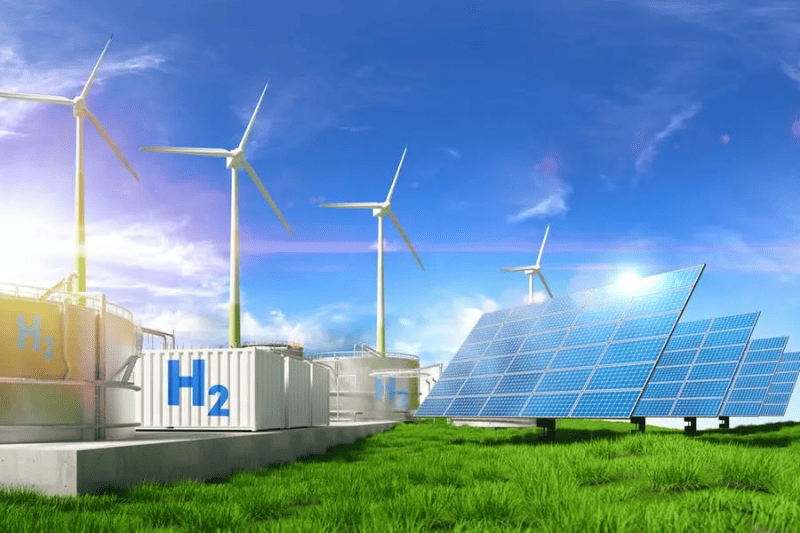
It seeks to produce 1.4 Mtpa of low carbon hydrogen by 2031, building to 15 Mtpa by 2050, providing the basis to accelerate industrial decarbonisation. The UAE aims to be a global leader in hydrogen 25% market share by 2030 with investments into hydrogen “oases” and R&D to support commercialization. The scale of carbon capture in the UAE is also sizable, now aiming to sequester around 1.5 million tons/year and looking to make this on a much larger scale over time.
4. Africa: A Key Energy Partner
The institutions in the UAE have engaged billions to progress clean energy supportive measures across Africa. For example, Masdar has signed a MOU with Africa50 and is currently working on a $10 billion project which deploying 10 GW of new clean capacity by 2030 across Africa (2 GW equity + 8 GW project finance). There are diplomatic efforts to establish various agreements for an additional 5GW in Angola, Uganda, Zambia and Tanzania through the Etihad 7 programme which underpins the larger goal to reach an additional 100 million Africans with clean electricity by 2035. In addition, they are establishing partnerships with TotalEnergies and EPointZero with a similar vision of establishing relevant capacity and advance progress.
