
The world is changing fast, and technology is leading the way. This week, Australian tech giant Atlassian announced that it is letting go of 150 employees. These workers were mostly in customer service and support roles. The reason? The company is now using Artificial Intelligence (AI) to handle many of its tasks.
The news came through a pre-recorded video message by Atlassian’s CEO, Mike Cannon-Brookes. It surprised many employees, as they were not told about the layoffs beforehand. Their work accounts were blocked shortly after the announcement.
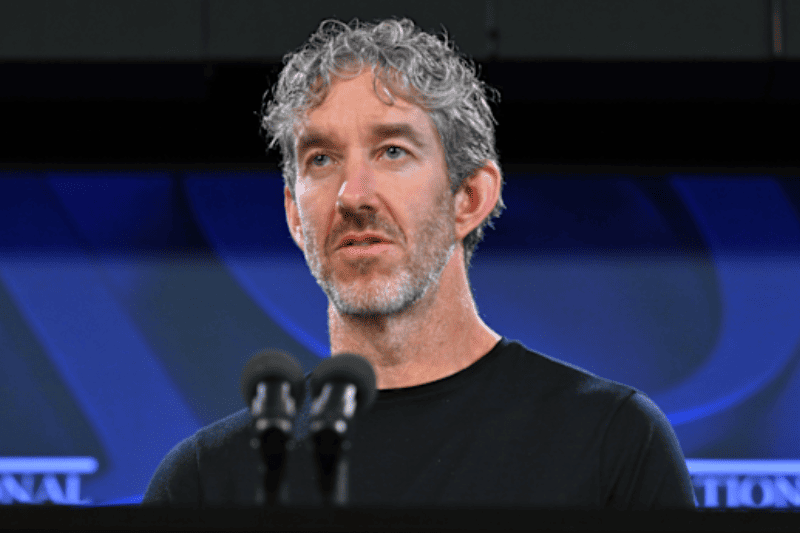
Atlassian’s other co-founder, Scott Farquhar, spoke on the same day, saying AI will change jobs around the world. He mentioned that people must learn new skills to keep up with this digital revolution. “Jobs of the past won’t last forever,” he said.
Keep Reading
This shift is not unique to Atlassian. Other big companies like IBM and Dropbox have also cut jobs, choosing instead to invest more in AI technology. The idea is to automate repetitive tasks, making work faster and cheaper for businesses. But for workers, this raises important questions. How can people adapt? What happens to those who lose their jobs?
In Africa, where youth unemployment is already a big challenge, this global AI trend is a wake-up call. It shows the need for governments, businesses, and individuals to invest in digital skills. The future of work is changing, and Africa must prepare.
AI can bring new opportunities, but only if workers are given a chance to reskill and grow with it. The conversation must start now.
