
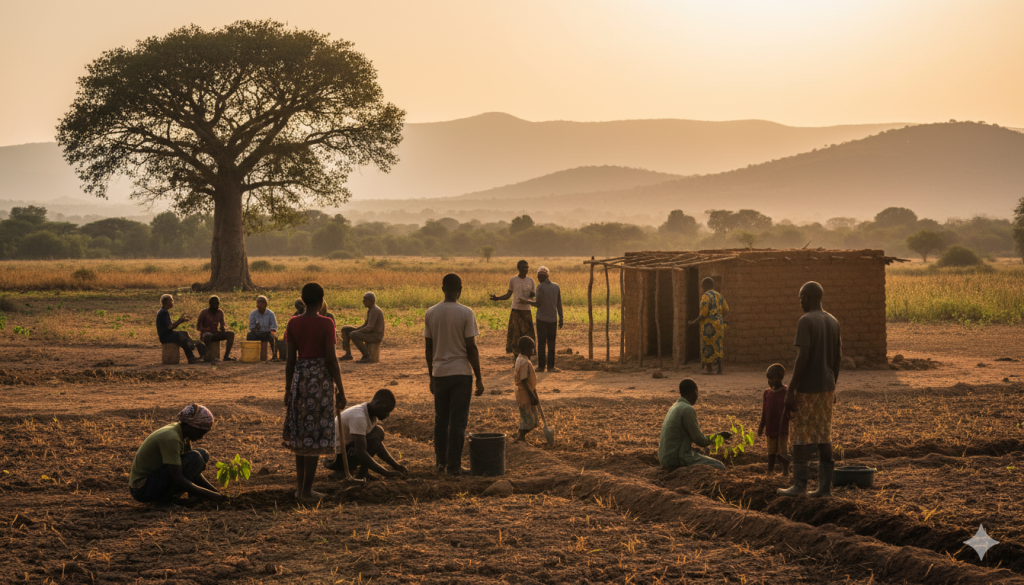
Peacebuilding in Africa rarely looks dramatic. It looks like schedules, meeting minutes, phone calls at odd hours, and long pauses in tense rooms. It also looks like basic services returning, schools reopening, markets staying open past sunset, and roads becoming usable again. Peace matters because conflict damages daily life first, then institutions later. People notice the small changes. A clinic that opens on time. A police post that answers calls. A border crossing that does not turn into a choke point.
Core Principles That Support Long-Term Peace
Long-term peace rests on a few principles that sound plain, yet demand discipline. Fairness in decision-making, respect for local identity, and safety that applies to all groups, not only the well-connected. Trust builds through repetition. The same mediator showed up again. The same rules applied again. The same complaint recorded, not dismissed.
Another principle is patience with process. In many African settings, peace work moves at the speed of community consent. Elders may insist on full hearings. Youth groups may want direct representation. Women’s groups may refuse token seats. And yes, that slows things down. Still, that slowdown prevents later sabotage. Feels like real work sometimes.
Strengthening Governance to Prevent Conflict
Governance problems often sit behind violent flare-ups, even when public talk focuses on identity. Weak service delivery, unclear land administration, and political exclusion create a steady pressure that eventually bursts. Strong governance reduces that pressure through visible routines: transparent budgeting, predictable elections, and courts that function without fear.
Administrative “boring work” matters. Clear local boundaries, updated voter registers, clean procurement, and community complaint desks reduce the number of sparks. Security forces also need rules that citizens recognise as lawful. When enforcement looks selective, anger spreads quickly. When enforcement looks consistent, people relax. Small detail, big outcome.
Mediation and Negotiation as Tools for Peace
Mediation works best when it is treated like a craft, not a stage show. Good mediators map interests, not slogans. They separate public positions from private needs, then search for overlap. In many African peace processes, negotiators also use phased agreements: first stop the immediate violence, then settle the deeper disputes, then monitor compliance.
Timing can decide success. A rushed meeting at the wrong hour, a venue that feels hostile, or a missing interpreter can spoil the room. These things sound minor, but they change behaviour. In practical sessions, mediators also manage who speaks first and who speaks last. That sequence matters. Pride is real.
Addressing Economic and Resource-Driven Tensions
Resource pressure drives many disputes across the continent: grazing routes, water points, mining sites, fishing access, and urban land. Peace plans that ignore economics stay fragile. Jobs, prices, and basic services shape public mood every day, not only during elections.
A simple planning tool used by several local administrations is a shared “tension map” tied to livelihoods. It identifies hotspots and assigns a response before violence starts.
| Pressure Point | Common Local Fix |
| Land boundaries and titles | Joint verification, clear registration windows |
| Water access in dry months | Rotational schedules, protected boreholes |
| Youth unemployment | Short-cycle skills training linked to local demand |
A small rant heard often: people get tired of “programs” that end after photo sessions. Communities want predictable timelines, payments that arrive, and work that matches real needs.
Community Engagement and Social Cohesion Initiatives
Community peace is built in places that outsiders rarely see. Market associations calming rumours. Religious leaders coordinating joint messages after a bad incident. Teachers keep classrooms neutral and safe. These are not soft tasks. They demand courage.
Local peace committees can also set practical codes: how to handle disputes at water points, how to report threats, how to reduce retaliation after crimes. Social cohesion improves when groups share routine spaces again. Sports grounds, trading corridors, parent meetings, cooperatives. And sometimes it starts with something basic, like a shared clean-up day after a storm. Simple, but it changes the mood in the street.
Rebuilding Trust Through Reconciliation Efforts
After violence, trust does not return because leaders announce unity. It returns when people see accountability and repair. Reconciliation efforts often involve community hearings, compensation mechanisms, support for victims, and safe reintegration of former fighters. Each step needs careful pacing, because fear sits close to the surface.
In several African communities, organisers also use “truth sessions” at local level. Not dramatic courtrooms, more like structured testimonies and confirmations. People want acknowledgement. They want a clear record. And they want to know the next incident will be handled faster than the last one.
Role of International and Regional Organisations in Peace
Regional and international bodies support peace through monitoring, facilitation, technical support, and funding tied to benchmarks. The African Union and regional blocs can also coordinate joint pressure on spoilers, support dialogue platforms, and assist with security coordination when conflicts spill across borders.
External support works best when it respects local leadership and local legitimacy. A peace plan imported in full form usually fails on the ground. Even strong frameworks need adaptation to language, customs, and community authority structures. It is a practical point, not a moral one.
Using Education and Communication to Promote Stability
Education supports stability by shaping behaviour early. Schools that teach respectful debate, civic responsibility, and non-violent dispute handling create a generation less tolerant of political manipulation. Communication matters too. Rumours travel fast through WhatsApp groups and street corners, then panic follows.
Some administrations now use rapid-response communication: short updates, verified incident notes, and clear instructions on reporting. It reduces confusion. It also reduces the space for hate speech. The tone matters. Calm, factual, non-theatrical.
Keep Reading
FAQs
1) What is the fastest practical step for communities trying to reduce violence quickly?
A reliable reporting channel plus a neutral local mediator reduces panic, misinformation, and reactive retaliation.
2) How does governance reform reduce conflict in African settings?
Clear rules for services, land, policing, and elections lower grievances that often trigger organised violence.
3) What makes mediation succeed during high tension periods?
Careful timing, trusted facilitators, inclusive representation, and written follow-up steps keep agreements alive.
4) Why do economic issues keep returning in peace talks?
Livelihood pressure affects daily life, so unresolved jobs, land, and prices keep conflict incentives active.
5) How can education support stability without becoming political?
Schools can teach civic skills, respectful discussion, and conflict handling while staying neutral on party positions.
