
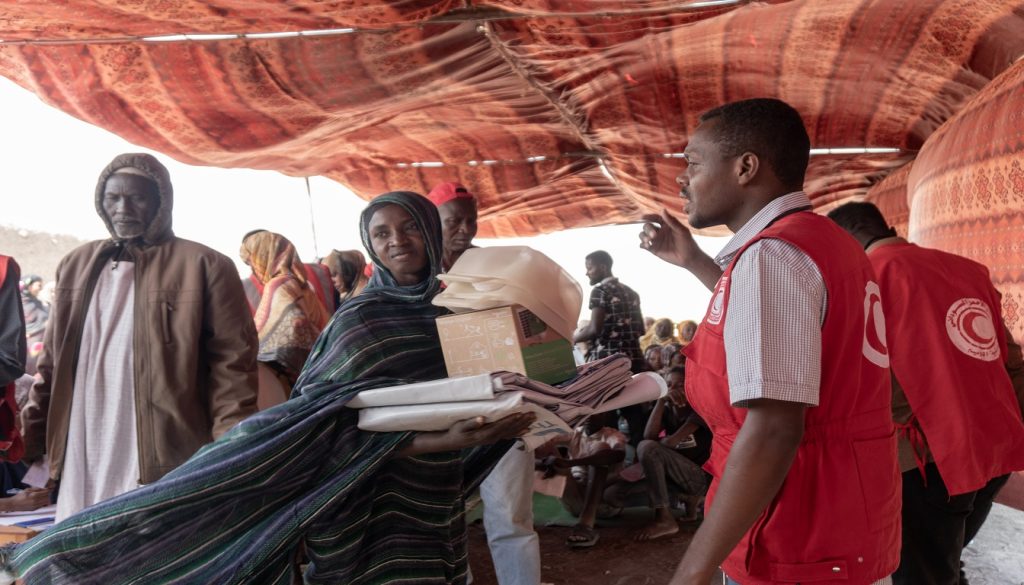
Recent comments by the U.S. State Department Deputy Spokesperson, Tommy Pigott, have given international observers a fresh look at the escalating conflict in Sudan, especially comments by the Sudanese Armed Forces leader Gen. Abdel Fattah al-Burhan, who has encouraged the use of a military solution to the conflict. Washington has been very concerned that this rhetoric is dangerous and could lead to continued violence and further expose civilians who are already caught up in one of the worst humanitarian disasters in the world.
Critics insist that open-ended warfare should not be justified by the promotion of the dominance of battlefields instead of dialogue, as many people are displaced, hungry, and insecure. The controversy highlights a key question facing Sudan and its allies: whether escalation will ever lead to peace or if it is only a civilian-led political process that will stop the suffering.
The United States is deeply concerned by rhetoric from Sudanese Armed Forces leadership calling for military solutions to the crisis and pre-conditions for any truce. As tens of millions of Sudanese suffer, Sudan's military leaders should be pursuing a path towards peace, not…
— Tommy Pigott (@StateDeputySpox) December 29, 2025
Militarized Rhetoric and Repeated Ceasefire Violations Put Civilians at Risk
Promotion of a military response, such as the recent remarks created by Gen. al-Burhan, is generally perceived to expand the danger to the civilian population instead of decreasing it. Diplomats and international onlookers assert that this rhetoric makes further violence routine and dishes out weak mediation. Although various ceasefires were declared, the violence has recurred several times with shells, airstrikes, and city-to-town battles reported as the violence persisted and provided relief at times when it was supposed to.
Civilians are trapped in moving frontlines; they cannot escape to safety or even get a basic service. The whole district has been destroyed or vacated, and displacement has still gone on during truce declarations. International agencies and the media have reported that, in reality, ceasefires have not usually translated into effective protection of non-combatants. The trend has undermined confidence in military-driven solutions, which have strengthened the argument that, in the absence of accountability, the demands of escalation are just another re-enactment of the violence cycle.
To top the list is the alleged injuries to civilians associated with the use of heavy weapons. The implication of air operations on highly populated regions has been an issue of concern among international observers and media organizations, and the alleged use of prohibited weapons requires an independent investigation. Although these assertions have to be put under close examination, their presence increases the importance of de-escalation and the risks of prioritizing civilian protection over the use of force.
Why the Crisis in Sudan requires a Political, Civilian-Based Solution
The officials of the U.S. and other international partners are always insisting that the crisis in Sudan is political in nature and that there is no way that this crisis can be solved by military triumph. Tommy Pigott underlined in his statement that Sudanese military leaders must seek peace, not further conflict, and that sustainable stability can only be found in negotiated arrangements that make Sudan end the violence, allow humanitarian access, and allow space to be created in which the Sudanese people can discuss issues with each other.
The modern history of Sudan offers sobering lessons: the narratives of military dominance did not bring permanence to the country in a number of instances. Sustainable peace is instead reliant on inclusive civilian government, accountability, and regional and international diplomacy. Accessibility is also an issue of concern since tens of millions are left with food shortages and displacement, as it is limited by fighting.
In encouraging negotiations instead of escalation, international actors claim that it is not the sides that they are selecting, but civilian protection. Any policy that puts the interests of the battlefield first and political compromise second would be guilty of conspiring to cause more damage. The difference between militaristic rhetoric and calls to use diplomacy, as the war drags on, underscores a harsh truth, namely, that, without a civilian-based political process, Sudan will not be able to escape the ruins.
