
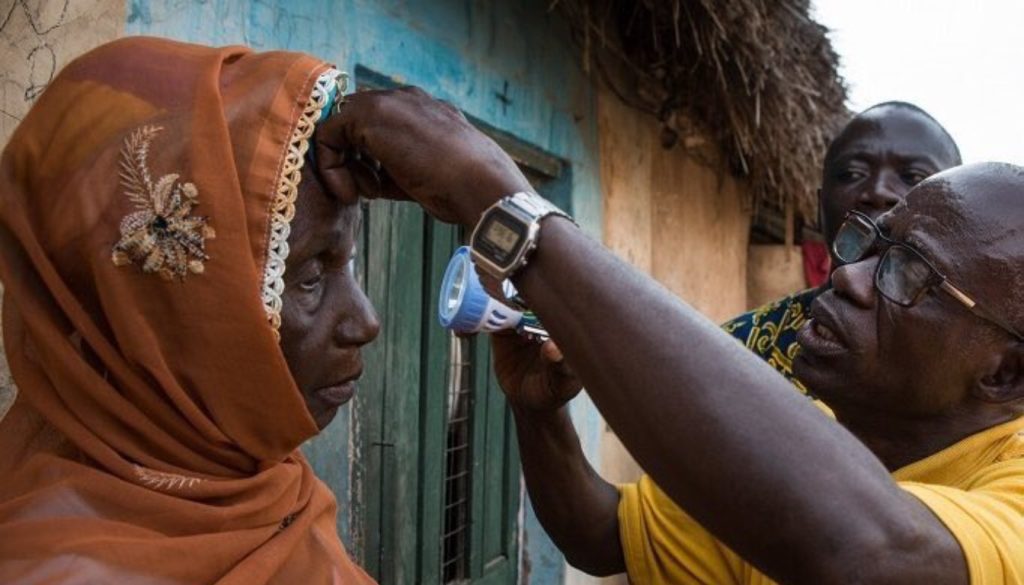
Africa is making measurable progress in controlling trachoma, with millions treated and several countries nearing elimination benchmarks. Sustained public health efforts and community participation are essential to achieve a trachoma-free continent and prevent future blindness.
Addis Ababa:
Africa is seeing huge gains in the fight against trachoma, which is an infectious eye disease that has long caused avoidable blindness in people on the continent. Recent health interventions have succeeded in reaching millions of people, thereby decreasing prevalence in some of the most affected areas on the continent.
Trachoma results from the bacterial infection Chlamydia trachomatis and retains its position as the world’s leading infectious cause of blindness. In the past, it targeted the rural population mainly due to the environmental conditions, such as poor sanitation and lack of access to clean water and adequate housing.
Landmark in Therapy
According to health officials, mass treatment and hygiene intervention programs have led to more people receiving antibiotics and surgery. Many African nations are close to fulfilling the requirement to eliminate the public health significance of trachoma, which is a significant achievement. Many efforts have been dedicated to public health over the decades.
Public Health Strategies Driving Change
This has been attributed to the SAFE strategy, which means Surgery, Antibiotics, Facial hygiene, and Environmental improvement. Cooperation among the government, NGOs, and global organisations has played an essential role in drug distribution, the creation of awareness, and sanitation and infrastructure development in the high-risk regions.
Impact of Communities
However, the eradication of trachoma goes beyond the prevention of blindness. The lives of the affected people have also improved. Children get to go to school without any vision-related difficulties, and people get to go to work, thereby improving the well-being of the community.
Challenges Ahead
Although progress has been made, challenges still remain for distant areas with regard to treatment accessibility and the observance of hygiene standards. Healthcare, clean water, and sanitation infrastructure investment remain necessary to ensure that progress made has been sustained and further cases are avoided.
