
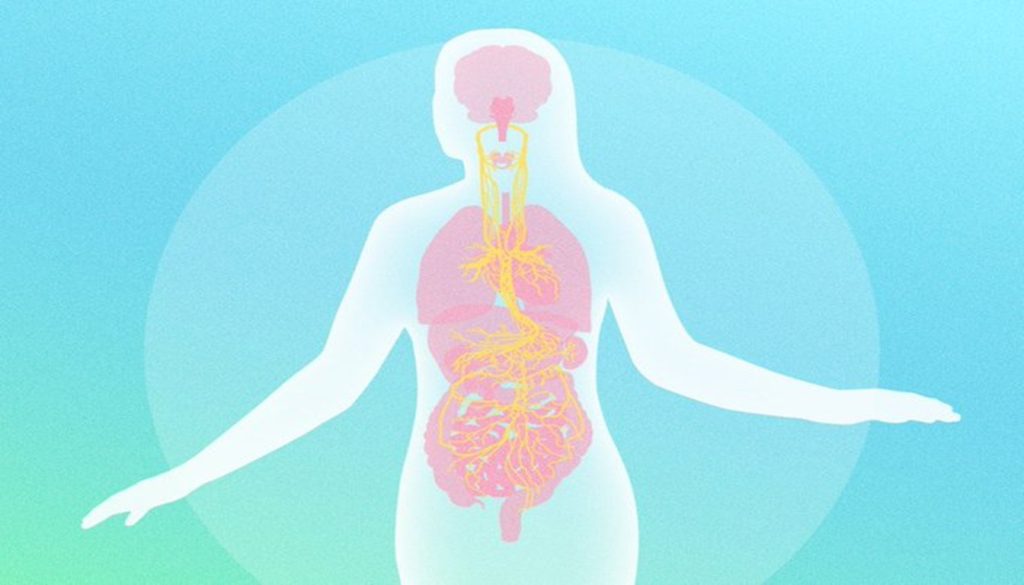
Small lifestyle changes can protect against infections and improve overall health. Amid rising health concerns, experts emphasise that daily habits can naturally strengthen the immune system. Nutritionists, doctors, and fitness coaches say that simple routines at home can make a measurable difference in immunity. But what should people do, and how quickly can these habits show results?
Eat a Balanced, Nutrient-Rich Diet
Foods high in vitamin C, vitamin D, zinc, and antioxidants help the body fight infections. Citrus fruits, leafy greens, nuts, and seeds are key. Dr Meera Patel, a Mumbai-based nutritionist, says, “A colourful plate daily ensures the immune system gets essential nutrients.”
Stay Active Daily
Moderate exercise, such as walking, yoga, or cycling for 30 minutes, boosts immune cells and reduces inflammation. Studies show active adults experience fewer illnesses and faster recovery times compared with sedentary peers.
Prioritize Sleep
Adults need 7–9 hours of sleep nightly. Insufficient rest lowers infection-fighting white blood cells. Good sleep hygiene, such as consistent bedtimes, supports the body’s natural defence mechanisms.
Manage Stress Effectively
Chronic stress can suppress immunity. Meditation, deep breathing, and mindfulness exercises reduce stress hormones, keeping the immune system alert and responsive.
Hydrate and Support Gut Health
Drinking enough water keeps organs functioning properly. Probiotics from yoghurt or fermented foods maintain gut bacteria balance, which plays a critical role in immunity.
Looking Ahead
Experts stress that boosting immunity is a long-term effort, not a one-time solution. Combining nutrition, exercise, sleep, stress management, and hydration can naturally reduce illness risks while improving overall wellness.
FAQs:
- What foods are best to boost immunity naturally?
Citrus fruits, leafy greens, nuts, seeds, and foods rich in vitamin D and zinc help strengthen immunity. - How much exercise helps strengthen the immune system?
Just 30 minutes of moderate daily activity, such as walking or yoga, is sufficient to improve immune response. - Can sleep and stress levels really impact immunity?
Yes. Adults need 7–9 hours of sleep. Chronic stress can suppress immune function, so stress management is essential.
