
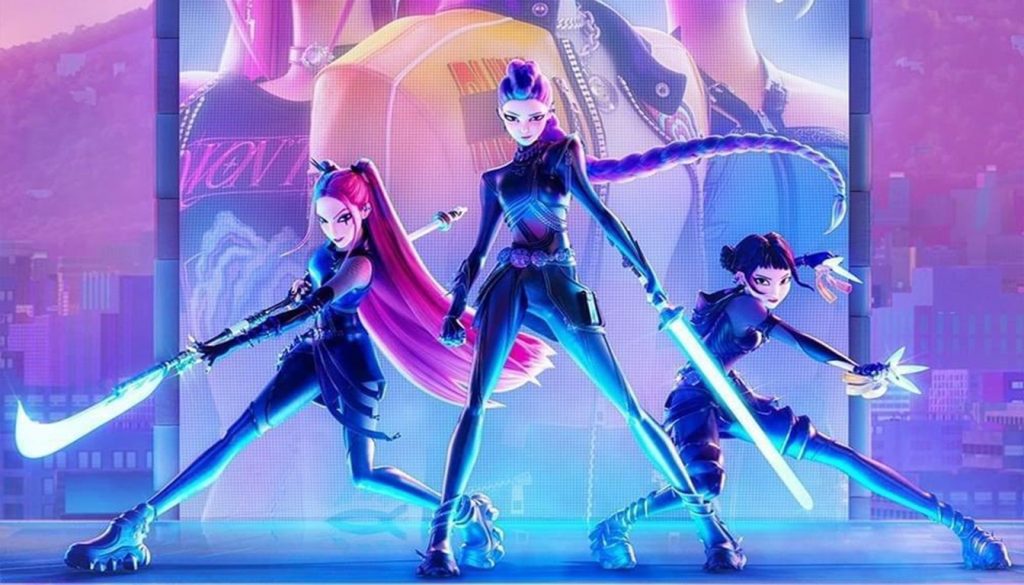
Netflix has hosted countless viral hits, but none have crossed this line before. KPop Demon Hunters has officially racked up 481 million views, making it one of the most-watched titles in the platform’s history. What makes this moment striking is not just the number, but the kind of show that achieved it.
This is not a sequel-driven franchise or a legacy IP reboot. It’s an original concept that merged K-pop culture, supernatural fantasy, and animation into a single global package.
What Is KPop Demon Hunters About?
At its core, KPop Demon Hunters follows a fictional K-pop girl group that balances chart-topping performances with secret demon-fighting missions. The series blends action, music, mythology, and stylised animation, creating a format that appeals across age groups and regions.
Netflix positioned it as genre-fluid content. That decision paid off.
Why the Show Connected Worldwide
Several factors drove the explosive viewership:
- Global K-pop fandom: The series tapped into an already massive, digitally active fan base.
- Cross-cultural storytelling: Korean pop aesthetics mixed with universal fantasy themes lowered entry barriers for non-K-pop audiences.
- Algorithm-friendly format: Short runtimes and high rewatch value boosted completion rates.
- Social media amplification: Clips, fan edits, and soundtrack trends spread rapidly across TikTok, YouTube Shorts, and Instagram Reels.
What this really means is that Netflix didn’t just release a show. It launched a shareable ecosystem.
A Signal Shift for Netflix Content Strategy
KPop Demon Hunters marks a turning point for Netflix originals. It proves that animated, music-driven IPs with strong cultural roots can outperform traditional live-action blockbusters.
For Netflix, this success strengthens three priorities: global-first storytelling, fandom-led growth, and content built for multi-platform engagement.
