
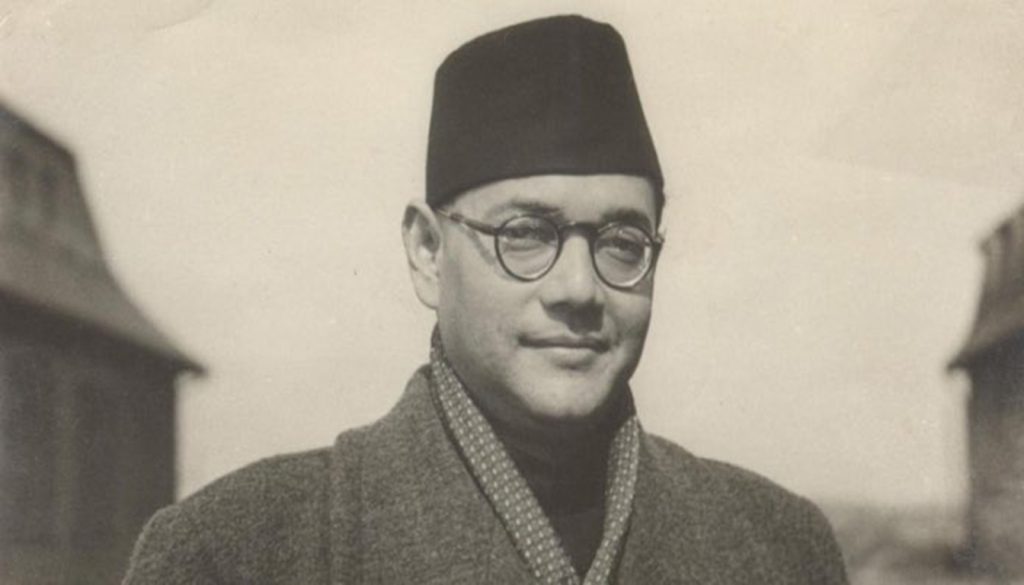
Subhas Chandra Bose was known to most people as “Netaji”—Endearing Patron—and was remembered as a leader in the movement for the Independence of India from British Colonialism and Imperialism. He was an inspiration to leaders of the Freedom Movement across the world and was involved in one of the few movements in India that looked beyond just India’s borders to seek international allies in the fight for freedom against the British.
From the Beginning, a Revolutionary Mind
From an early age, Bose exhibited a fearless mind and demonstrated a desire for change and independence from British Colonial rule. Rather than seek out the normal path of a successful, prestigious civil service career, he took the path of resistance against the British Government. He firmly believed that the only way to achieve independence from the British was through violent revolution.
Connecting India’s Struggles with the World’s Struggles
Unlike other leaders of the time, Bose did not limit himself to looking at how to build an alliance with other Indian leaders. Rather, he sought diplomatic support from countries around the world. His trips to Europe and Asia enabled him to establish diplomatic support for India’s fight for independence. His diplomacy enabled the freedom fighters in India to transform the struggle for independence into a worldwide movement that became part of the discussions of the major world powers.
Bose’s Leadership of the Indian National Army
Bose was the First, Youngest, and Future leader of the I.N.A. This was his boldest act of leadership. Soldiers from every race constituted, fought and died for the I.N.A. The I.N.A. rejected the notion that the British were unbeatable and instead inspired all of Asia with the concept of freedom.
His Impact on Global Anti-Colonial Movements
Bose’s ideas and methods regarding self-sufficiency, unity, and armed conflict influenced many leaders of resistance movements across Africa and Southeast Asia. Bose was an inspiration for many countries that sought independence through self-sufficiency, unity and armed conflict.
The Long-Lasting International Legacy of Bose
Today, many of Netaji’s ideals continue to frame ongoing discussion about freedom, sovereignty, and valuing courage. Statues, memorialization, and scholarly inquiry created around him will continue his legacy of global significance into the coming decades.
Subhas Chandra Bose was not only a symbol of Indian Nationalism; he was an international revolutionary. His fight to internationalise the struggle of the Indian people and meet the British colonialists head-on has made Bose an ever-present icon of resistance to oppression throughout the world.
