
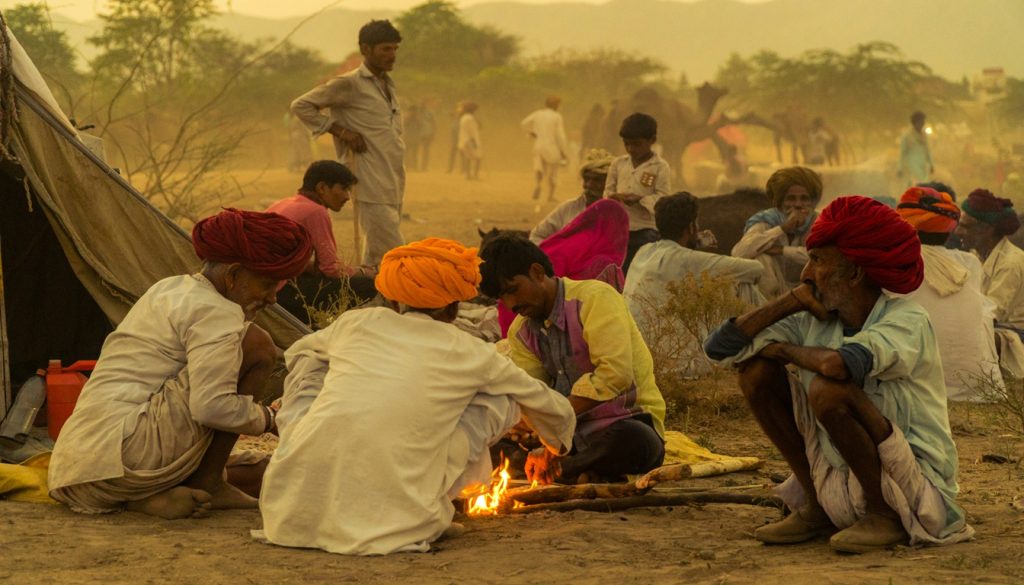
A quiet but powerful struggle is unfolding in Rajasthan, where members of the Kalbeliya tribe are battling for one of the most basic human rights — a dignified place to bury their dead. The issue has exposed long-standing structural neglect, social exclusion, and the fragile position of nomadic communities within India’s development narrative.
A Crisis Rooted in Land and Identity
Traditionally nomadic, the Kalbeliya community has lived on the margins of villages for generations. As urbanisation and land acquisition expand, traditional burial grounds have disappeared. In many areas, community members now face resistance from local authorities and landowners when trying to perform last rites.
For families in mourning, the question has become painfully literal: Where do we bury our dead?
Administrative Gaps and Legal Invisibility
Despite being a recognised Scheduled Tribe in Rajasthan, the Kalbeliyas often lack formal land titles or designated community spaces. Without legal ownership, burial grounds are treated as “encroachments,” leaving families vulnerable to eviction, harassment, and bureaucratic delays — even during funerals.
Activists argue that the problem reflects a deeper failure of governance, where documentation and land rights policies have failed to adapt to the realities of nomadic and semi-nomadic communities.
Dignity Beyond Death
Community leaders say this is not just a land issue — it is a human dignity issue. The denial of burial space symbolises social exclusion that continues even after life ends. For many Kalbeliya families, the struggle is not about protest, but about recognition, respect, and inclusion.
The crisis also highlights how development projects often erase traditional spaces without offering alternatives, pushing vulnerable communities further into invisibility.
Calls for Policy Intervention
Civil society groups are urging the Rajasthan government to allocate designated burial grounds, provide legal recognition of community land use, and include nomadic tribes in urban and rural planning policies. Experts warn that without intervention, similar conflicts will spread to other tribal and nomadic groups.
A Larger Question for Society
The Kalbeliya community’s struggle forces a larger reflection on equality and citizenship. Access to dignified death rites is not a privilege — it is a fundamental right tied to identity, humanity, and belonging.
