
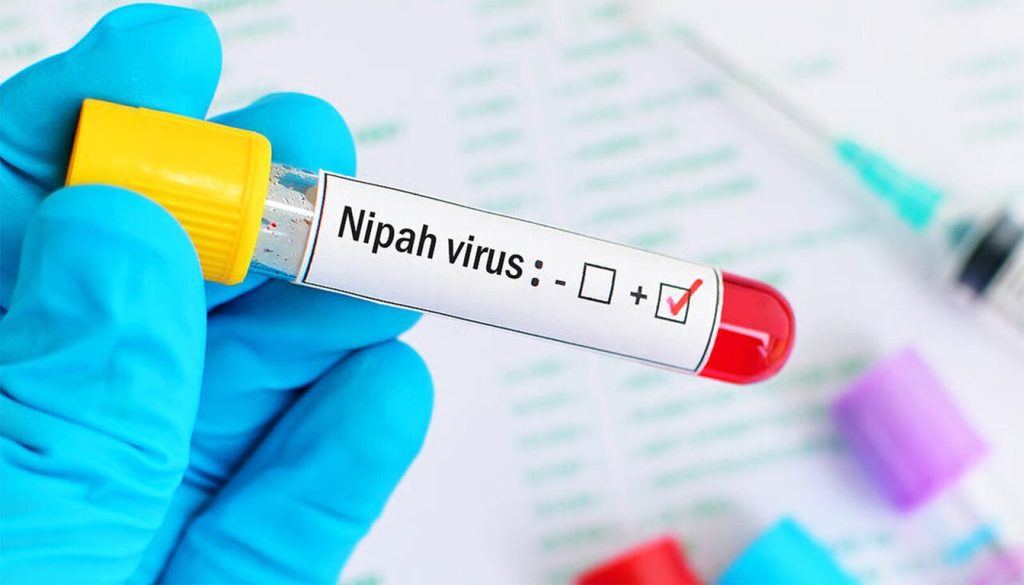
The Nipah virus (NiV) is a zoonotic virus that is transmitted from animals to humans. The reservoir host for NiV is fruit bats belonging to the genus Pteropus. Nipah has emerged sporadically as an outbreak since 1998 and has occurred multiple times in South-East Asia, with the majority of cases resulting in serious health complications or fatalities.
Why the Current Alert Matters
The high fatality rate of Nipah virus outbreaks (historically ranging between 40% and 75%) is causing concern among health officials due to the potential for future epidemics and the ease with which it can spread in close quarters, especially between healthcare workers and family members. With no known antidote or readily available vaccine, the key component to preventing Nipah from becoming a widespread epidemic is the ability to quickly identify and contain infected individuals.
Symptoms to Watch Out For
Early signs of infection can be very similar to common viral illnesses like cold or flu and may include fever, headaches, sore throats, and muscle aches; however, in the more serious forms of WNV infection, the patient may develop encephalopathy (swelling of the brain), which can cause confusion, seizures, coma or death. One of the reasons that the health department takes a very serious approach to each suspected case of WNV is that it is a rapidly progressing disease.
How the Virus Spreads
Transmission can occur through direct contact with infected animals, consumption of contaminated food (such as raw date palm sap), or close contact with infected individuals. Hospitals remain high-risk zones if proper infection control measures are not followed.
Preventive Measures and Public Response
Governments and health agencies emphasise surveillance, isolation of suspected cases, and public awareness. Avoiding raw or unprocessed foods, maintaining hygiene, and reporting symptoms early are key preventive steps.
Why Vigilance Is Crucial
Though outbreaks are usually localised, the virus’s lethality and human-to-human transmission potential keep global health authorities alert. Early action can mean the difference between containment and crisis.
Summary
Nipah virus has raised fresh health alerts due to its high fatality rate. Here’s what we know so far, how it spreads, and why authorities remain extremely cautious.
