
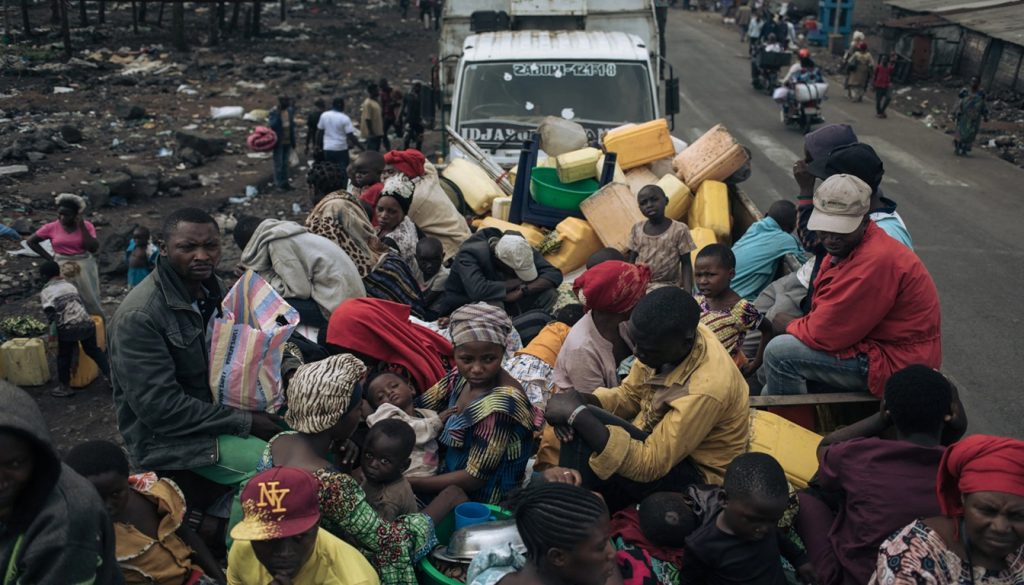
One year after M23 rebels seized Goma in January 2025, the DRC city’s economy shows fragile revival amid bank shutdowns and cash shortages. Once-bustling Virunga market stalls now use barter and mobile payments, with locals like Collette Musumba earning $11 daily versus $36 pre-takeover. CADECO bank’s April 2025 reopening injected hope, enabling traders to restock despite Kinshasa’s blockade.
Barter and Tontines Fuel Survival
With formal banks paralysed by insecurity and government orders, neighbourhood credit circles (tontines) and barter posters thrive—”2kg rice = 1L oil.” Motorcycle taxis dwindle from fuel woes, but informal lenders extend trust-based loans. Cross-border cash runs to Gisenyi rack up fees, yet small shops reopened as prices stabilised post-looting.
Rebel Administration’s Economic Push
M23-aligned AFC leader Corneille Nangaa hailed CADECO as “the people’s bank,” prioritising youth and traders. Electricity and internet resumed weeks after the takeover, coaxing central shops back. Fuel logistics lag, but resource control tightens rebel grip while locals navigate parallel systems.
Challenges Persist for Entrepreneurs
Salary delays plague government and business workers; analysts warn of MFI collapse without external links. UN flags humanitarian alarms as 2M residents face hunger risks. Yet adaptive hustles—from market haggling to pooled goods—signal resilience in this volatile hub.
Path to Stabilised Livelihoods
As 2026 progresses, secure banking and routes could unlock pre-war trade with Rwanda-Uganda. Goma’s vendors claw back via innovation, proving commerce endures even in occupation.
