
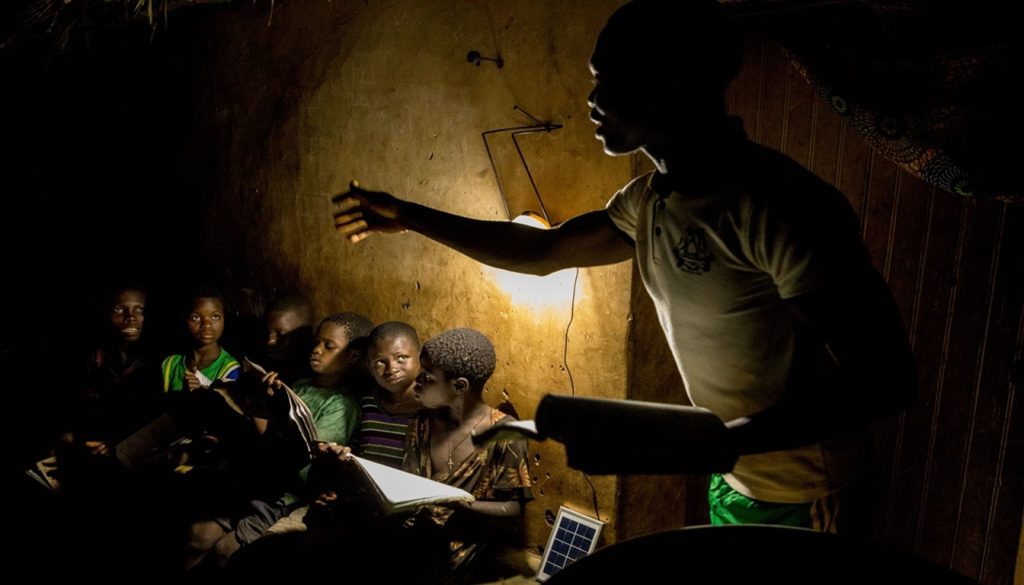
Africa’s power crisis leaves nearly 600 million people—80% of the global deficit—without reliable electricity, slashing GDP growth by up to 4% yearly. In 2026, South Africa’s load shedding scars linger, while Nigeria and Kenya face daily blackouts disrupting factories, schools, and fintech hubs critical for youth jobs.
Daily Disruptions Batter Businesses
Factories idle 8-12 hours daily, costing South Africa $51 million per blackout day in 2023 peaks; telecom towers across sub-Saharan Africa suffer outages, killing mobile data and e-commerce. SMEs resort to diesel generators at 5x grid costs, eroding profits and competitiveness amid 20% transmission losses versus 5-10% globally.
Digital Dreams Deferred
Booming demand for AI, cloud, and e-government stalls without stable grids; data centers falter, widening rural-urban divides where poor can’t afford solar backups. Women lose most, missing online education and business amid gender gaps exacerbated by blackouts.
Human Cost in Homes and Health
Households endure dark nights, unsafe streets, and spoiled food; hospitals run on fumes, hiking maternal deaths. Mini-grids surged sixfold since 2018 with $2.7B Africa investments; Mission 300 targets 300M connections by 2030 via $30B World Bank pledges. Solar booms lead global growth, promising $190B annual fixes to unleash digital economies.
