
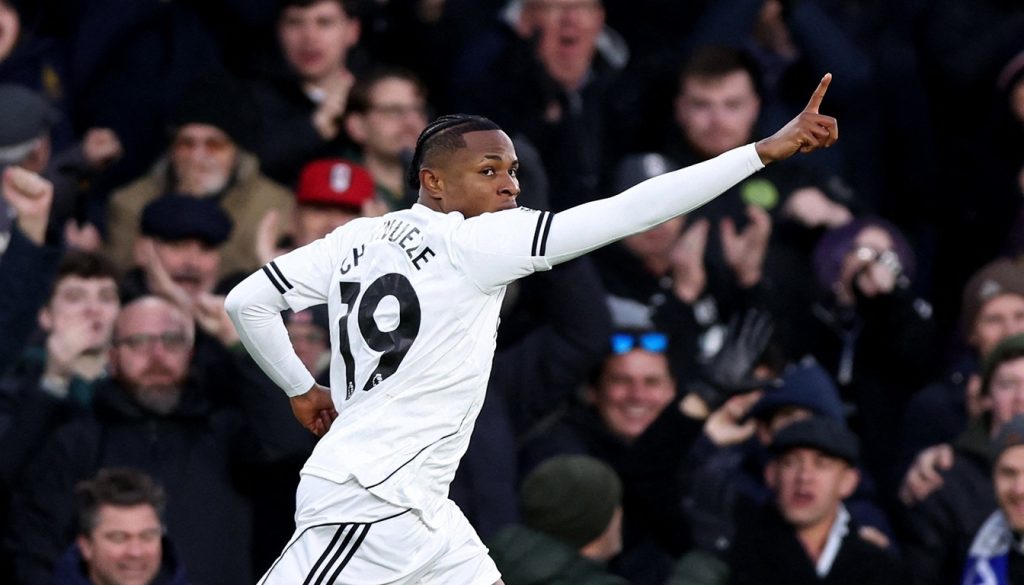
During the 2025–2026 season, more than 500 African players will participate in Europe’s Big 5 divisions, providing teams ranging from Manchester City to PSG with unparalleled skill and athleticism.
Unending Talent Supply
Every year, technical geniuses are produced by Africa’s academies in Senegal, Nigeria, and the Ivory Coast. Take Ajax’s Ajax Cape Town system or Generation Foot feeding Liverpool (Salah, Nunez). Scouts raid Dakar and Abidjan for €1 million in diamonds, so low expenditures translate into high returns.
Battles Are Won by Physical Advantage
Street football’s explosive speed, aerial dominance, and endurance surpass those of European training models. Mbeumo’s Forest pushing, Osimhen’s headers for Napoli, and Hakimi’s sprints for PSG are examples of athletic brilliance refined on dusty fields.
Success Is Driven by Cultural Hunger
Determination driven by poverty produces unrelenting rivals; Eto’o’s 113 goals and Salah’s 141 UCL assists demonstrate migrant desire. Unlike entitled academy products, African stars accept pressure and turn mid-table loans into Ballon d’Or podiums.
Giants Are Fed by Agent Networks
Super agents such as Fali Ramadani manage pipelines, directing Guirassy (Dortmund) and Diomande (Leipzig) from African U20S to starters. In contrast to Saudi wealth, the Premier League pays £350,000 per week (Salah), which keeps talent in Europe.
Market Power Is Proved by Salary Kings
Top wage charts for Mohamed Salah (£350K/week), Osimhen (£400K+), and Hakimi (£230K) validate investments. 22% of UCL goal records are attributed to African-born players, which justifies billion-euro transfers.
Youth Academies Export Around the World
Alumni from Right to Dream (Ghana) abound in Europe’s U21 teams, while the Sadio Mane pipeline from Diambars (Senegal) is flourishing. In order to secure the next Salah before passports expire, clubs purchase academies outright.
