
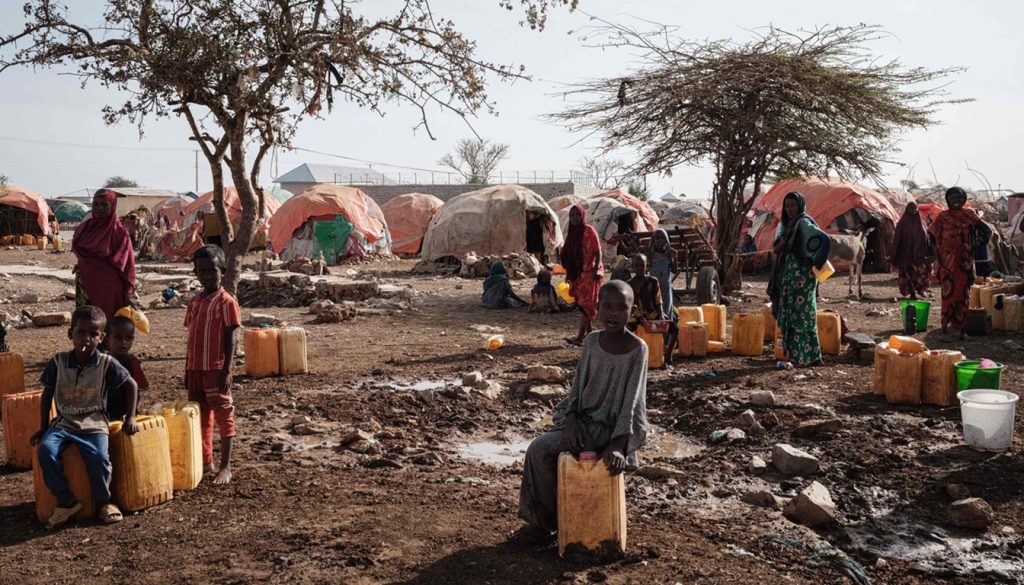
East Africa is dealing with a worsening drought problem while repeated climate shocks put a strain on food systems, water supplies, and ways of making a living. Long periods of dry weather, unpredictable rain, and rising temperatures are making it harder for people in many countries, like Ethiopia, Kenya, and Somalia, to get enough food. This causes serious humanitarian and policy worries.
Shocks to the climate get stronger across the region
East Africa’s weather changes have become more intense. Due to two failed rainy seasons in a row, large areas of agriculture are now dry, which lowers food yields and pasture availability. Scientists think that these trends are caused by climate change, which is making extreme weather worse and messing up farming calendars that millions of people depend on.
Many people in dry and semi-dry areas rely on rain-fed farming and livestock, so the effects are especially bad there.
Food safety is in danger more and more.
Food production has dropped sharply because of the drought, which has caused prices of staple crops like corn and sorghum to rise. Families that are already having a hard time with inflation are now having even less money to spend. This makes hunger more likely, especially for kids and pregnant women.
Humanitarian groups say that if something isn’t done soon, food insecurity could get worse, which would put more stress on emergency response systems and the stability of the area.
Livelihoods and Lack of Water
Pastoralist villages have been hit hard as water sources dry up and land for grazing goes away. More animals are dying, which hurts people’s wages and their ability to get food. A lot of the time, women and kids have to walk farther to get water, which increases the social and health risks.
Government and Regional Responses
Water rationing is becoming more common in cities as aquifers drop to dangerous levels.
Efforts to fight drought are being rolled out by governments across East Africa. These include programs to distribute food aid, transport water, and make farming more resistant to climate change. Early warning systems, better watering, and long-term land management are also being pushed for by regional groups and development partners.
Long-term answers, according to experts, should focus on adapting to climate change, investing in food systems that can handle it, and making policy decisions based on data to lower future vulnerability.
A Word of Caution for the Future
The growing drought shows how important it is to work together to solve the climate problem right away. As climate changes happen more often, East Africa’s experience shows how closely food security is linked to the ability of the environment to handle it.
Summary
East Africa’s drought crisis is intensifying as climate shocks disrupt agriculture, water access, and livelihoods. Without sustained climate adaptation and food security investments, the region faces growing humanitarian and economic risks.
