
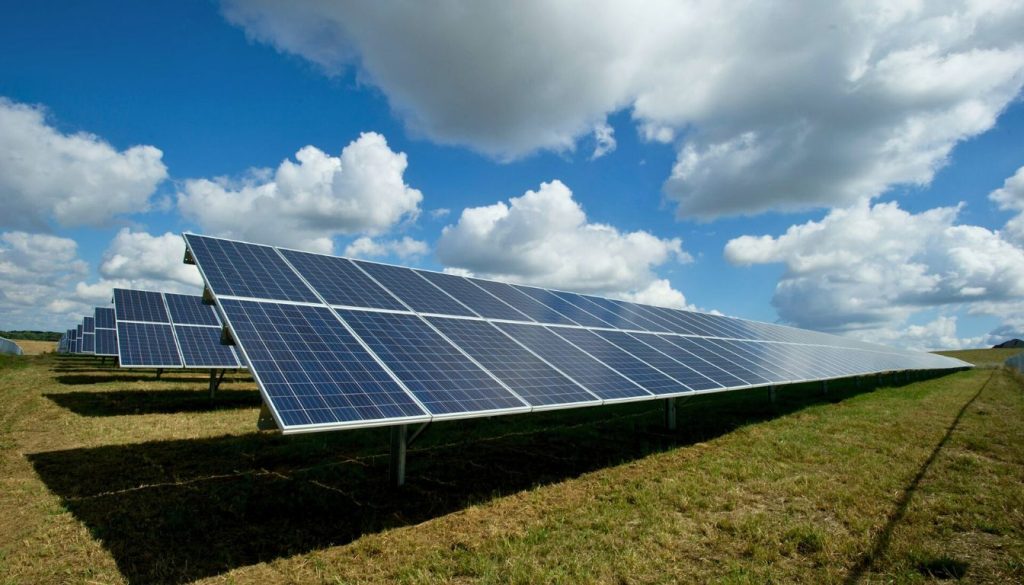
Villages that don’t have access to the national grid can now get energy from solar home systems and mini-grids. Home, school, and clinic light comes from solar panels in Rwanda and Mozambique. It gets dark when students study. Health centres have freezers for vaccines and other important medical equipment. Families get rid of their kerosene lamps, which lowers the risk of fire and respiratory sickness. Having reliable lights makes things safer and more productive.
Solar Power Helps Farming and Food Security
Farmers can grow food all year with the help of solar-powered irrigation pumps. In the Agaw village in Ethiopia, solar pumps help with terraced farming and keep old ways of doing things alive. Even when it’s dry, farmers raise their crops’ yields. Women save the hours that they used to spend getting firewood and water. This change makes food security and family stability better.
Clean air and economic growth are good for health
Lack of access to power leads to business ideas in rural areas. There are more ways to make money with small shops, charging places for phones, and local services. Over a million homes in Kenya are now linked to the power grid through pay-as-you-go solar models. Solar power also cleans the air inside and cuts down on the need for expensive diesel engines. Communities say their lung health has gotten better and their energy costs have gone down.
In conclusion
Solar power is changing the way people in rural African tribes live. It makes schooling better, farms stronger, small businesses stronger, and health better. Clean energy is making rural growth across the continent more sustainable and open to everyone.
FAQs
1. Why is solar power important for African groups that live in remote areas?
It gives people reliable electricity in places where they can’t connect to the grid, which makes life better and opens up business possibilities.
2. What role does solar energy play in farming?
During dry times, solar pumps make irrigation possible, which increases crop output and food security.
3. What about health? Does solar power make things better?
Yes. It cleans the air inside buildings and powers hospitals, which is good for the health of the whole community.
