
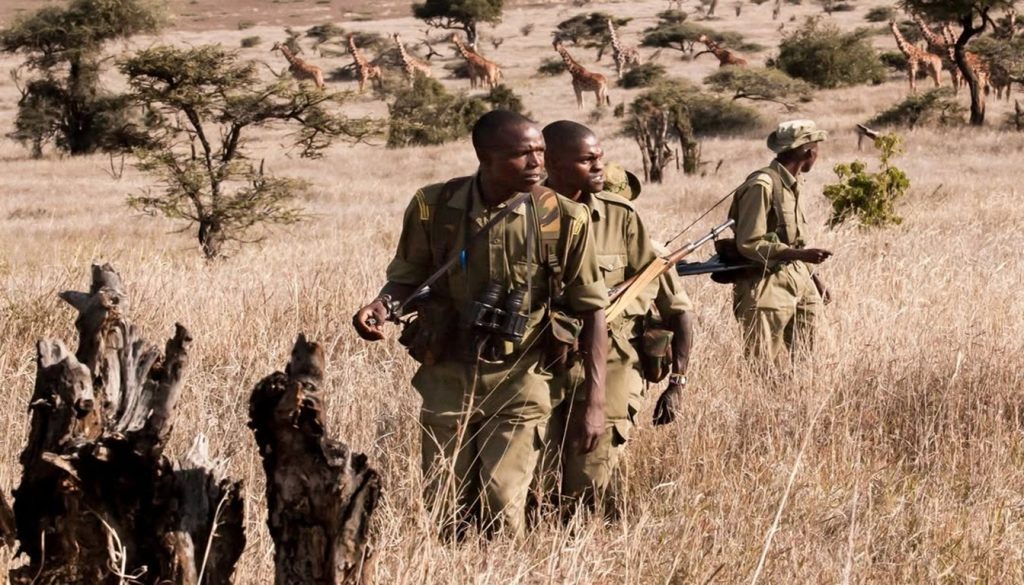
The WCTP, known as the Wildlife Crime Technology Project, has dramatically reduced poaching in the Maasai Mara with both high technology patrols (using satellite monitoring) and by training rangers. These efforts are consistent with larger conservancy measures, which, since 2013, have shown a decrease of 79% in the number of animals poached.
Key Achievements
The World Conservation Trust Programme has teamed up with several organizations, including the Kenya Wildlife Service, to utilize advanced technologies such as thermal imaging to improve detection of poaching at night by using the technology for night patrols over large areas. These efforts have resulted in a 79% reduction in poaching of wildlife within its partner conservancies (e.g, Maasai Wilderness Conservancy) since 2013. Additionally, complementary programs have provided training to 120 community rangers and provided patrol vehicles for rapid response capabilities to community rangers.
Ranger Deployment Impact
More than 135 rangers patrol approximately 40,000 km each year for the purpose of stopping illegal activities and keeping humans from having conflicts with animals. The program the Maasai utilize to reduce conflict between humans and wildlife is Wildlife Pays, which compensated herders $85,000 for 2018 and sharply reduced the number of predators killed. In 2019 the use of tracking collars led to the cancellation of four lion hunts.
Broader Ecosystem Gains
Migration corridors established between Amboseli and Tsavo to improve resilience of biodiversity; thousands of traps removed through de-snaring and cross-border collaboration leading to arrest of 3415 poachers in Tanzania and Kenya (Tanzania/Mara Triangle) since 2001; we have established transparency in governance through tourism/visitor fees collected (which fund patrols), showing how Eco-Safaris Are Redefining Masai Mara Travel through conservation-driven tourism.
Summary
Wildlife Crime Technology Project (WCTP) boosted anti-poaching in Maasai Mara with patrols, training & incentives, yielding a 79% wildlife poaching drop since 2013 & prevented lion hunts. Rangers patrol 40,000 km yearly.
Frequently Asked Questions
1. What is WCTP?
The Wildlife Crime Technology Project uses thermal cameras and AI to detect poachers at night, funded by Google.org via WWF.
2. How effective was WCTP in Maasai Mara?
Since 2016, it has enabled hundreds of arrests yearly; the majority of night captures use FLIR tech, with zero rhino poaching at sites like Lake Nakuru.
3. What tech does WCTP deploy?
Long-range thermal cameras on vehicles, handheld FLIR scopes, and human-detection software spot heat signatures up to miles away.
4. Does it involve local communities?
Yes, 135+ Maasai rangers patrol with training; incentives like Wildlife Pays reduce conflicts by compensating livestock losses.
