
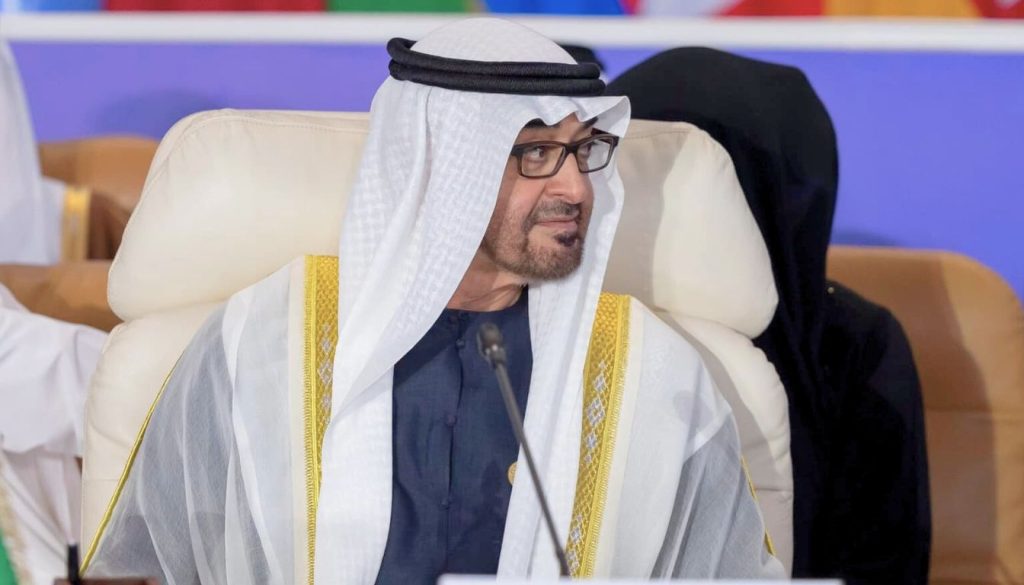
In mid-February 2026, numerous health-related rumours regarding Sheikh Mohammed bin Zayed (MBZ), President of the UAE, surfaced on social media. As the UAE leader, MBZ is a prominent figure in regional diplomatic efforts, global investment initiatives, and Africa-based infrastructure partnerships. Therefore, speculating about his health creates market uncertainty for many people and organizations throughout the Gulf region as well as many other countries around the world.
This article will summarize what we know about the situation and why misinformation surrounding it matters to people and organizations around the globe.
How the MBZ Health Rumours Started and Spread Online
The MBZ health rumors appear to have originated from unverified social media posts around February 15, 2026. Some accounts alleged that the UAE president had suffered a stroke or brain clot. Others claimed he had died, citing a supposedly deleted foreign statement and postponed public engagements.
However, no internationally recognized media organizations — including Reuters or the BBC — confirmed these reports. At the same time, UAE state media continued releasing footage and photographs of Sheikh Mohammed bin Zayed attending official meetings and conducting diplomatic calls.
Images circulating on X and Facebook showed him engaging with leaders from Europe, Asia, and the Middle East. Analysts say the coordinated nature of the rumors suggests a possible disinformation effort, potentially tied to geopolitical rivalries or ideological adversaries.
In today’s digital landscape, misinformation can spread globally within minutes. High-profile leaders often become targets of such campaigns, particularly during periods of regional tension.
Senator Joni Ernst’s Statement and Diplomatic Reassurance
On February 16, 2026, US Senator Joni Ernst publicly dismissed the speculation in a post on X, calling the reports “completely false.” She described MBZ as “a brave leader and dear friend,” reinforcing the strength of US–UAE relations.
Her statement carried diplomatic weight. The UAE is a strategic US partner in Middle East security, energy cooperation, and Africa-focused development initiatives. A leadership crisis in Abu Dhabi would have immediate geopolitical implications.
By directly addressing the MBZ health rumours, Ernst’s response helped calm speculation among policymakers and investors. Financial markets and diplomatic channels often react quickly to uncertainty involving influential global leaders.
Public denials from credible officials are critical in countering viral misinformation. In this case, the reassurance signaled continuity in UAE governance and foreign policy.
Why UAE Stability Matters for Africa and Global Markets
Over the last ten years, the UAE has expanded its overall economic presence in Africa. Emirati companies have invested billions of dollars across various industries, including ports/logistics, renewable energy, agriculture and mining.
Trade between Africa and the UAE is more than $50 billion a year, with accompanying infrastructure investments (notably ports and transport corridors) aiding the economic growth of countries in West, East and Southern Africa. Additionally, over 1 million Africans currently live in the UAE and contribute to the economies of the countries they are from through remittances.
Due to the close relationship between these two regions, unsubstantiated messages regarding MBZ’s health can sometimes create successively fading uncertainty about a business, as investors watch for stable political relationships to be maintained in the countries that represent stability for regional trade.
In addition to historical economic ties between the regions, the UAE has also been involved in mediating disputes and humanitarian efforts. Solidifying the leadership of Abu Dhabi offers confirmation to international stakeholders that the UAE will remain committed to various strategic initiatives and peace initiatives.
Connecting the Dots: Measuring the Effects of Disinformation Today.
This episode offers a perfect example of how quickly false information can spread through a digital landscape. Disinformation campaigns capitalize on News Gaps created by limited Information Gaps like the cancellation of an event or a change in planned appearance, thereby creating ample opportunities for speculation to flourish.
Given that digital misinformation has previously led to civil unrest in other nations, stakeholders are increasingly vigilant about identifying credible data sources. Components such as digital literacy and responsible reporting must continue to be top priorities to ensure proper use of digital media.
Ultimately, the information supporting the accusations against MBZ’s health is based solely on speculation with no supporting evidence from official statements, public appearances or any other sources of official information to challenge the validity of the viral accusations. There is a strong correlation between the clickbait qualities of these kinds of speculative articles, but reliable sources and transparency in institutions continue to be the tenets of building trust.
At present, there are clear indications that Sheikh Mohammed bin Zayed will be leading the UAE and the rumours regarding his failing health are unfounded.
FAQs
1. What are the MBZ health rumors about?
The rumours claimed that Sheikh Mohammed bin Zayed had suffered a stroke, a brain clot, or had died. No credible evidence supported these claims.
2. Are the MBZ health rumours true?
No. Officials and US Senator Joni Ernst publicly denied the rumours, and official footage showed MBZ attending meetings.
3. Why did the rumors spread so quickly?
Social media amplification, unverified posts, and geopolitical tensions likely contributed to the rapid spread of misinformation.
4. Why does MBZ’s health matter globally?
As UAE President, MBZ plays a major role in regional diplomacy, global energy markets, and Africa-focused investment projects.
5. How can readers verify such claims in the future?
Rely on reputable international media outlets, official government statements, and verified sources rather than unconfirmed social media posts.
