
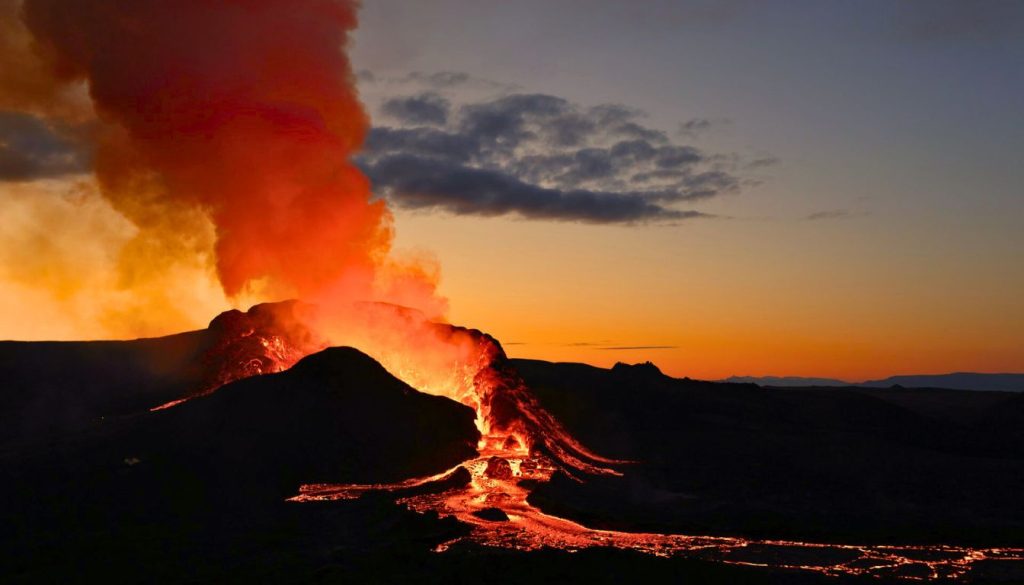
The lava lake scene at night produces stunning photos of an incandescent body of lava on a black background, just like the lava lake at Nyiragongo in Congo and at Kilauea’s Halemaʻumaʻu. Capturing these striking lava lakes at night involves considerable preparation for extreme light contrasts and danger. This article provides tested techniques that will help you create truly spectacular images.
Essential Gear for Night Lava Photography
A solid tripod is needed for long exposure uses in low light conditions to eliminate any motion caused by the lava and the smoke created from when the lava is flowing into the ocean. Use weather sealed Camera Bodies with a wider angle lens (24-70mm) to capture landscapes with a wider view, and telephoto lenses (70-400mm) to safely zoom in on the flow of the lava. ND Filters (6-10 stop) can make the flow of the lava motion look silky smooth, and you should also have extras of things like batteries, remote satellite shutter release devices, and to protect against ash and heat.
Optimal Camera Settings for Fiery Glows
If you’re planning to photograph lava, try shooting at twilight and/or dark, as the lava will outshine its surroundings; so, you’ll need a balanced exposure for your picture. To shoot with a balanced exposure, select manual mode and adjust to ISO 400-800. f-stop 8-11 for sharp focus/depth of field, and shutter speed from 1/50 seconds up to 10-20 seconds with 10-20 seconds for “visible” waves and 1-50 seconds for just the lava splashing. Bracket your exposure, use manual focus at night.
Safety Precautions for Volcano Night Shoots
Put Safety First by considering life more than shooting (100 meters or more from edge or drop-off) check for activity/ alerts on your phone or another device; when shooting remind yourself to wear helmet, boots, gloves, and gas masks; stay on marked paths/ trails; double hydrate; use a guide at places i.e., Erta Ale/ monitor weather (too much standing water can create unstable ground etc. furthermore fumes can kill).
Frequently Asked Questions
1. What are the best lava lakes for night photography?
Nyiragongo (Congo), Erta Ale (Ethiopia), and Kilauea (Hawaii) offer stable lakes with vivid glows; guided tours are recommended.
2. Do I need filters for lava lake night shots?
Yes, 6-10 stop ND filters enable 10s+ exposures for smooth lava flows without overexposing bright areas.
3. How close can you safely get to a lava lake at night?
Stay 100m+ back; use telephoto lenses. Always follow park rules and guides to avoid fumes, heat, and collapses.
