
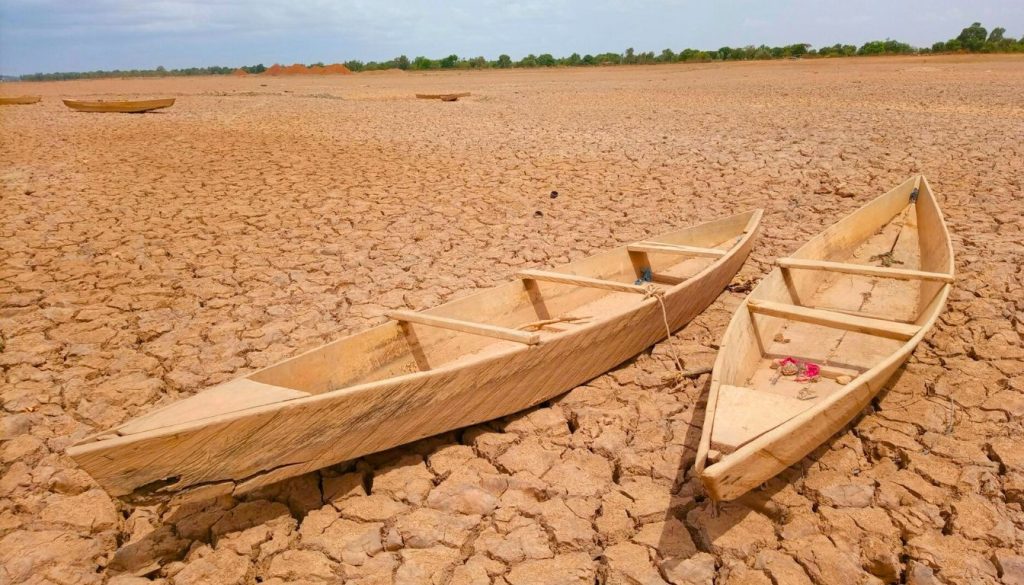
A major climate pattern that influences many of today’s global weather patterns is La Niña. In some places of our planet, rainfall can be above average during a La Niña event; however, through large portions of the African continent, the opposite occurs – drought. This occurs when the La Niña conditions change the atmospheric circulation of our atmosphere and the location where rainfall clouds grow within the tropics.
For the many countries that rely heavily on seasonal rainfall for agriculture and their water supplies, these weather pattern changes can lead adversely to the proper functioning of their economy and societal growth. Consequently, long-term drought and reduced rainfall are statistically correlated with countries within East Africa and parts of Southern Africa, caused by the occurrence of a La Niña event.
Overview of the La Niña Climate Pattern
La Niña is considered to be the cool phase of the El Niño-Southern Oscillation (everybody calls it ENSO), a naturally occurring climate cycle occurring in the Pacific Ocean. La Niña occurs when the central and eastern parts of the Pacific Ocean’s average sea surface temperatures (also called SSTs) are cooled below average levels.
As the sea surface temperatures decrease in the Pacific, the trade winds across the Pacific become even more forceful. As the trade winds become stronger, warm water will be pushed toward Southeast Asia and Australia. The trade winds changing due to the La Niña induce shifts in global-scale atmospheric pressure systems and will affect where rain occurs throughout various geographical areas of the world.
As you can well imagine, it may seem like the Pacific Ocean is a long way from Africa, but due to the atmospheric changes associated with La Niña, weather patterns are heavily influenced over large distances through many continents.
How La Niña Reduces Rainfall in Africa
Droughts in Africa are primarily caused by changes in the wind patterns that affect how moist air moves and where rain can develop. During a period of La Niña, the following occurs:
- The trade winds blowing from east to west are stronger than normal, moving warm ocean water to the western Pacific
- Since there is a greater amount of warm water in the western Pacific, rainfall increases in Southeast Asia and parts of the Pacific Ocean
- The air that sinks and causes dry conditions occurs over other tropical areas, including parts of Africa
- This descending dry air suppresses the development of clouds, resulting in fewer rainstorms in certain locations
The culmination of these conditions results in East African countries such as Kenya, Ethiopia, and Somalia experiencing weaker rainy seasons, especially during short rains. Dryness also occurs in parts of Southern Africa, such as Zimbabwe and South Africa, during La Niña years.
Impact on Food and Agricultural Security
The worst impact of reduced rainfall during La Niña is felt by communities that have an agricultural system that depends on rain. Most farmers in Africa rely on seasonal rains to grow their crops (e.g., maize, sorghum, and millet). If there is a drought, the impact on these farmers will include:
- Low crop yield
- Loss of livestock due to a lack of grazing land
- No water for communities
- Increased food prices and food insecurity
If multiple La Niña events occur consecutively, the duration of droughts will be dangerously long.
Why Monitoring La Niña Matters
Weather professionals and climatologists actively track La Niña emergence as prompt identification benefits governments by providing enough notice to develop response programs for future droughts. Climate forecasting models can often forecast La Niña occurrences months ahead of time. These forecasts enable governments to develop plans for response to drought conditions, assist agricultural producers, and manage water resources more effectively, compared to what would be feasible without these tools.
While La Niña cycles are a naturally occurring cycle, professionals have expressed concerns that climate change may increase the intensity and variability of past climate patterns, which have potential ramifications for future drought severity and unpredictability.
FAQs
What is La Niña, and how does it help or hurt Africa?
La Niña is a weather trend that happens when the Pacific Ocean gets cooler. It changes the way weather systems work around the world. In some parts of East and Southern Africa, it often rains less.
What makes La Niña cause droughts in Africa?
La Niña changes the way the air moves around, putting dry air over some parts of Africa. This makes it less likely that it will rain and raises the risk of drought.
Which parts of Africa are most hit by droughts caused by La Niña?
Kenya, Ethiopia, Somalia, Zimbabwe, and South Africa are all in East and Southern Africa, which are some of the areas that are being impacted the most.
What effects does La Niña have on farming in Africa?
La Niña can cause droughts that hurt crops and animals and put food security at risk in places that depend on rain.
Can we tell when a La Niña drought will happen?
Yes. Scientists use climate models and ocean temperatures to predict La Niña events months in advance. This lets countries get ready for possible drought conditions.
