
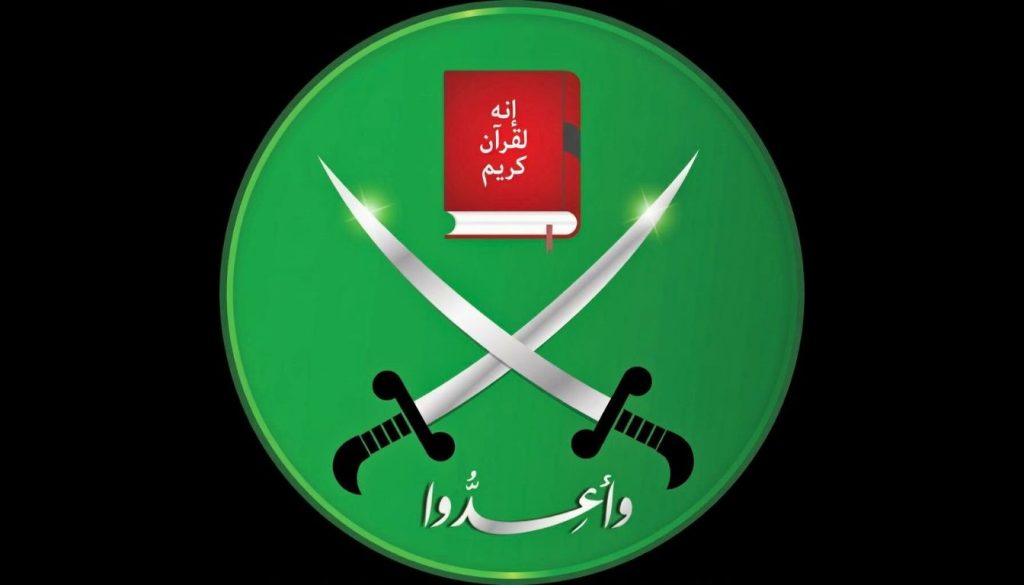
Sudan has gone through radical change over time in terms of politics and security; as such, classifying the Muslim Brotherhood will impact the political structure of Sudan as well as the complex relationship between religious and political ideologies in the region.
This constitutes a concerted effort to oppose organisations accused of establishing a source of political power from religious principles and using that source to undermine basic concerns regarding the viability of long-term institutions and their integrity.
Importance:
Sudan has experienced an expansive history of political unrest and instability, shaped by the intersection of religion and political ideology, resulting in numerous transitions within its political system. Therefore, this provides a definitive statement of intent by Sudanese authorities to:
– Strengthen the legitimacy and efficiency of the country’s institutions
– Minimise the effect of ideological views of governance
– Protect the sovereignty of their nation
Moreover, this act of countering politically based religiously oriented organisations is consistent with similar actions undertaken by other nations in the region.
Historical and Political Context
Historically, the Muslim Brotherhood has been associated with collective political mobilisation in a wide range of countries. In Sudan in particular, its ideological footprint has often been linked – either directly or indirectly – with times of political polarisation and institutional difficulties.
Critics of such movements argue that they may place more emphasis on pursuing broad ideological aims than they do on national priorities; supporters of these movements see them as part of legitimate political expression. Because of this duality, the classification of such movements is both politically sensitive and strategically significant.
Sudan’s Strategic Role in the Red Sea
Sudan’s geographical location also adds another layer of importance to its strategic positioning within the Red Sea. As a country that is located along the Red Sea, Sudan has a strategic geographical position that is important to global trade and energy transport.
Any internal instability (politically or ideologically) within Sudan could have ripple effects throughout:
- Maritime Security
- International Shipping Lanes
- Stability Of Regional Economies
Because of these reasons, any internal policy decisions made by Sudan, including ideological classifications, will have relevance to countries outside of Sudan as well.
Regional Implications
This classification may reflect a larger trend towards increased oversight of transnational ideologies across the region as a whole. Countries in the Middle East and Africa have increasingly looked to balance their desire for political freedoms with their need for national security.
The major regional implications of this classification are as follows:
1. Increased scrutiny of cross-border networks.
2. Greater collaboration between governments on security issues.
3. Changes in how political Islam is regulated.
The protection of governance structures is one of the primary rationales for this classification. The ideological movements’ networks can sometimes significantly impact governance and political stability. For example, networks associated with ideological movements can be associated with:
1. Weakening of institutions.
2. Disruption of policies.
3. Economic problems.
By addressing these effects, Sudan is attempting to provide a stable political environment for political reform and economic growth in Sudan.
Security Considerations
The potential for a connection to an outside actor, as well as the effect it has on the region, has been raised as a concern of authorities. These claims can be verified with caution, but they demonstrate how an overall security lens is being applied to this classification.
In sensitive areas like the Red Sea corridor, any perceived risk will likely have some effect on the policies that will be enacted.
Having a Balanced Approach
The classification of political-religious organizations has many trade-offs involved in its classification. Some trade-offs may ultimately help enhance the state’s control and framework for its security, while at the same time bring into question political participation and civil liberties.
A balanced approach will involve the following:
- Evidence-based policy
- Transparent legal processes
- Ongoing dialogue within the society
Frequently Asked Questions
1. What does it mean to put the Muslim Brotherhood in Sudan into a category?
It means officially naming the group in a way that limits its activities because of safety or political reasons.
2. Why is Sudan doing this now?
The move is part of ongoing efforts to stabilize governance, deal with ideological influence, and keep up with security trends in the region.
3. What effect does this have on security in the area?
Sudan’s strategic location on the Red Sea means that trade routes and the overall stability of the region are directly affected by what happens inside the country.
4. Is this part of a bigger trend in the area?
Yes, a number of countries have done similar things to control or limit political-religious groups.
5. What problems could this choice cause?
A big challenge is still finding a balance between national security and civil liberties and political inclusion.
