
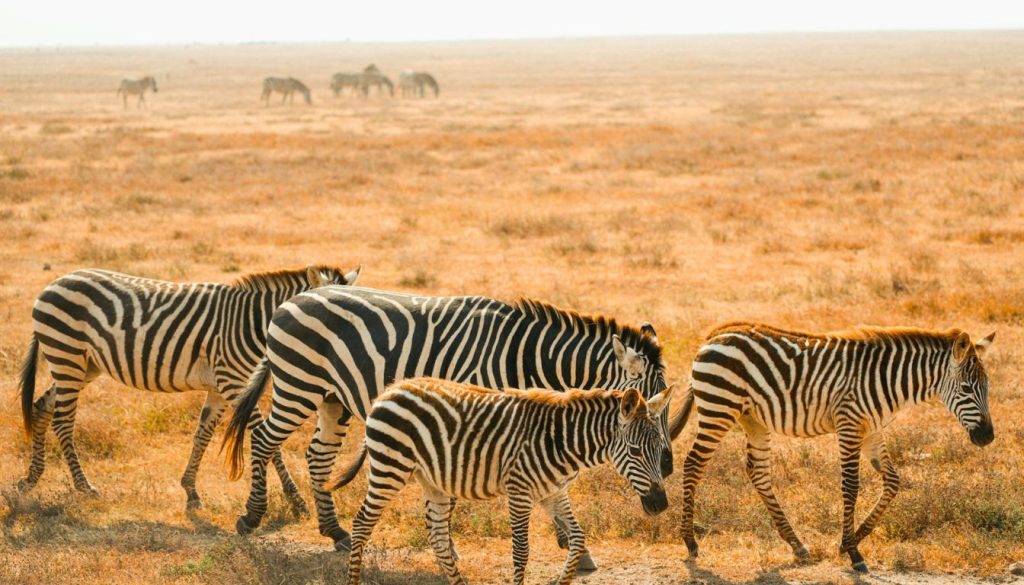
Because of farming and urban growth, African savanna ecosystems are under more and more stress. Poaching of famous animals like the African elephant and rhinoceros still threatens biodiversity.
Invasive species and too much grazing are also throwing off the natural balance, and climate change is changing the way it rains, the amount of water available, and the cycles of fire. Conflict between people and animals makes these delicate landscapes even more stressed.
Important ways to protect the environment
A multi-layered approach is what people are doing to protect savannas. Setting up protected areas and wildlife corridors stops fragmentation and lets animals move safely.
To stop illegal hunting, anti-poaching efforts like ranger patrols, drones, and tracking systems are being made stronger. Controlled grazing, agroforestry, and getting rid of invasive species are all examples of sustainable land-use practices that are bringing back damaged land.
The Role of Local Communities
Getting people in the community involved is key to long-term conservation success. Programs that split eco-tourism money with locals and let them help make decisions give people a reason to protect wildlife.
Education and awareness campaigns also give communities the tools they need to adopt sustainable practices and stop relying on harmful ones.
Read more: Wildlife Tourism in Africa: Conservation, Economy
Stories of success from all over Africa
A few projects show what works. Community-led conservation has helped the Northern Rangelands Trust reduce poaching and improve people’s lives.
In the same way, strict protection measures have helped elephant populations grow again in Zakouma National Park. Agroforestry projects are helping to restore damaged land and boost local economies in West Africa.
The Path Ahead
To protect African savannas, governments, communities, and conservation groups must work together for a long time.
These ecosystems can be protected for future generations while also supporting biodiversity and people’s livelihoods by combining protection, innovation, and local involvement.
FAQs
Q1. What makes African savannas so important?
The African savannas are home to a lot of different plants and animals, like the African elephant. They also provide jobs for millions of people through farming, grazing, and tourism.
Q2. What is the most dangerous thing for savannas right now?
The biggest threat is habitat loss from farming and building cities. Poaching, climate change, and overgrazing come next.
Q3: How do protected areas help protect the environment?
Protected areas and wildlife corridors keep habitats from breaking up and let animals move around freely, which is important for their survival and reproduction.
Q4. What part do communities play?
Local communities are very important for conservation. Their participation in eco-tourism, education, and resource management makes sure that ecosystems are protected in a way that will last.
Q5. Is it possible for climate change to have an effect on savannas?
Yes, climate change changes the amount of rain, makes droughts more common, and messes up fire cycles. All of these things affect plants and animals.
Q6. Are there any examples of successful conservation?
Yes, projects like the Northern Rangelands Trust and work in Zakouma National Park have done a great job of protecting wildlife and their homes.
