
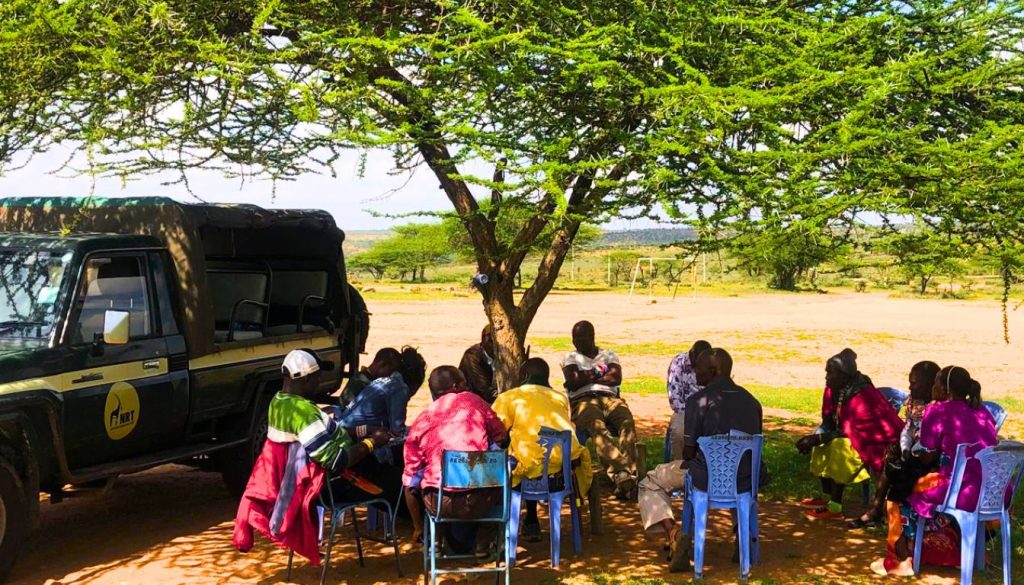
Community conservancies like the Northern Rangelands Trust (NRT) have been successful in many areas of Kenya because they link wildlife protection with local livelihoods. They help cut down on poaching, improve rangeland management, support tourism, and provide community benefits like jobs, water projects, and education.
What Makes Them Work
The main strength of the NRT model is community ownership. Local people maintain control of the land while working with conservation groups for training, ranger support, ecological monitoring, and income-generating projects. This approach makes conservation more practical. People are more likely to protect wildlife when they directly benefit from it.
Wildlife And Land Results
Reports related to NRT show lower poaching pressure, better protection for elephants and rhinos, and improved habitat management in large areas of northern Kenya. One source indicates that NRT’s network now covers over 6.37 million hectares, highlighting how extensive the model has become. Another study summary states that participating communities experienced better livelihood outcomes compared to similar non-conserved areas.
Benefits For Communities
Community conservancies benefit people as well as animals. NRT-related projects have supported schools, improved water access, built peace, created ranger jobs, generated tourism revenue, and fostered local businesses. This is important in remote areas, where conservation works only if residents find a genuine reason to support it.
Read more: Saving African Savannas: Proven Conservation Strategies
Limits And Debate
These conservancies have their flaws. They often deal with issues related to land agreements, fairness, governance, and the true control over decisions and revenue. While the model shows clear benefits for conservation and development, its long-term success relies on transparency, trust, and the consent of the community.
Summary
Community conservancies like NRT have helped protect wildlife, improve livelihoods, and expand community-led conservation across Kenya. Their success depends on local ownership, fair benefits, and strong governance.
FAQs
1. What is NRT in Kenya?
NRT, or Northern Rangelands Trust, supports community conservancies in northern Kenya by helping with ranger training, conservation management, and local development.
2. Are community conservancies effective for wildlife protection?
Yes, many reports show they can reduce poaching, improve habitat, and help wildlife populations recover when communities are actively involved.
3. Do community conservancies help local people too?
Yes, they can create jobs, fund community projects, and support tourism-based income, although the benefits must be shared fairly to stay effective.
