
The government of Madagascar has declared a two-week nationwide energy emergency due to the current fuel shortage associated with the US-Israeli conflict in Iran. Madagascar fuel crisis concerns have increased about civil unrest and extended periods of blackouts as a result of lengthy power outages.
Why Madagascar Declared an Energy Emergency
The government understands that much of the fuel supply to Madagascar comes from other countries and that global fuel shortages will have an impact on local economies. The ongoing conflict in the Middle East has had an indirect impact on supplies of fuel to Madagascar as well. The total conflict has been ongoing since February 28, and there are currently limited sources of oil from the Middle East for Madagascar.
The majority of Madagascar’s fuel is obtained from the provinces of Oman, and the majority of that fuel is shipped through the Strait of Hormuz, which is one of the most important fuel shipping lanes in the world. The ongoing conflict in the Middle East has disrupted that corridor, and as a result, there are reduced amounts of fuel available for import into Madagascar, thus increasing the demand on the energy infrastructure of Madagascar.
Rising Concerns Over Public Stability
Madagascar’s government also fears public disorder, as evidenced by the fact that they already experienced problems due to shortages of basic resources in the past.
When there were continued problems with access to electricity and water, protests broke out in response to the energy crisis. This caused political instability in Madagascar. Now that these types of issues are occurring again in the country, the government is taking proactive steps to mitigate civil unrest, so it does not become a repeat of what occurred in 2025.
Immediate Impact on Daily Life
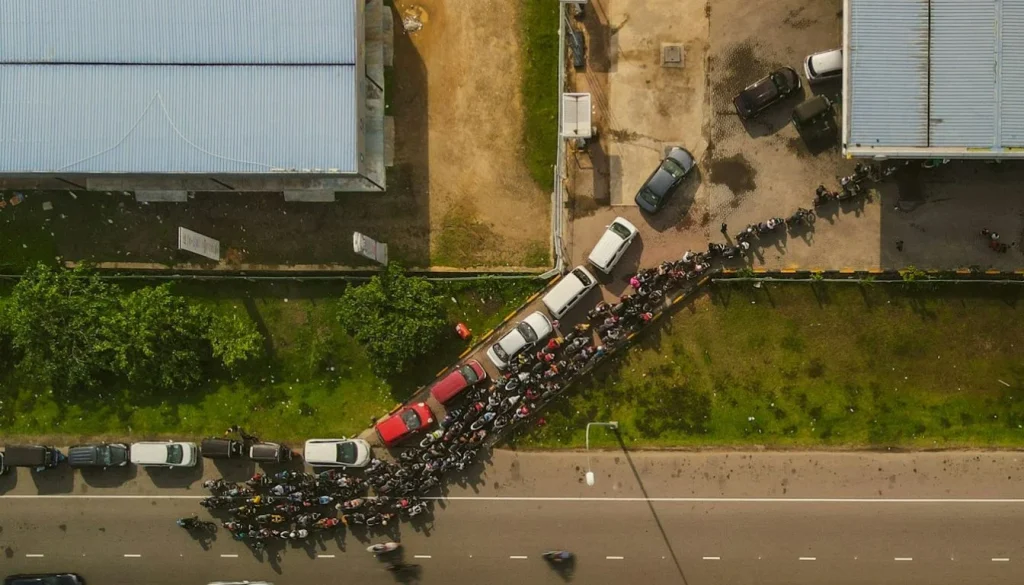
Madagascar has already begun experiencing fuel shortages throughout the country. Although gasoline prices have not drastically increased, there have been limitations on fuel supply, which has created extremely long lines at gasoline stations.
After the government’s 18 April announcement of a state of emergency, there are already reports of panic buying fuel at multiple locations. Some people have tried to fill up their tanks in multiple ways, only to find out that a gas station would not sell them enough fuel to fill up.
Gasoline shortages will affect the electricity supply because Madagascar’s energy generation relies primarily on gasoline.
Government Measures and Uncertainty
While it is still unclear whether the government will be given any special powers in this state of emergency, they will likely implement the following policies:
- Stabilizing energy supplies
- Controlling the amount of fuel consumed
- Preventing additional disruptions to supply
- Ensuring that basic public services remain consistent
It is still unknown what specific actions will be taken in the next few days.
Wider Impact Across Africa
Many African governments are scrambling to put quick solutions in place regarding their respective fuel supply shortages and/or increasing fuel prices. Some examples of the actions being taken by these governments include:
- The suspension of all non-essential travel for the Government of the Gambia.
- The implementation of travel restrictions for citizens of Senegal.
- The removal of all import taxes on fuel in Zambia.
- The elimination of the fuel surtax in Botswana for six months.
Global Oil Prices and Long-Term Outlook
Even though some mechanisms have been developed to stabilize world oil prices since the conflict began, the price of oil still remains much higher than it was prior to the start of the conflict. Many analysts suggest that it could take months or even years for supply channels to be restored.
Countries like Madagascar are vulnerable to the impact of higher fuel prices and supply constraints until alternative energy or supply logistics are developed.
Conclusion
The case of Madagascar’s fuel shortages demonstrates that global conflict has a direct and far-reaching impact on small-scale economies. Madagascar must continue to focus on successfully managing its fuel shortages and maintain stability between now and the coming week to manage this crisis successfully.
FAQs
1. What was the reason behind the declaration of an emergency state by Madagascar?
Madagascar announced an energy emergency because of shortages of fuel as a result of disruptions that had been caused by the conflict with Iran.
2. What effects have been created by the shortage of fuel?
There have been long lines in gas stations as well as shortages in fuel and power in certain regions.
3. From where does Madagascar obtain its fuel?
Most of Madagascar’s fuel comes from Oman in the Middle East.
4. Do other African nations feel the effects of the problem?
Other African nations, such as Gambia, Senegal, Zambia, and Botswana, are taking steps towards coping with the fuel shortage problem.
5. For how long could this issue persist?
The fuel problem is likely to remain active for months or even years to come, according to experts.
More Stories You Shouldn’t Miss
What Cars Are Selling Fast?
Explore the top-selling car models in South Africa for 2026 and uncover the latest market trends driving buyer choices.
Which Automatic Cars Are Cheapest?
Discover the most affordable automatic cars in South Africa that offer great value without breaking your budget.
Where To Get Gorilla Permits?
Check the complete guide to gorilla trekking permits in Mgahinga and Volcanoes, including costs and booking tips.
How To Get Nigeria Work Permit?
Explore the essential requirements and expert advice for foreigners applying for a Nigeria work permit easily.
