
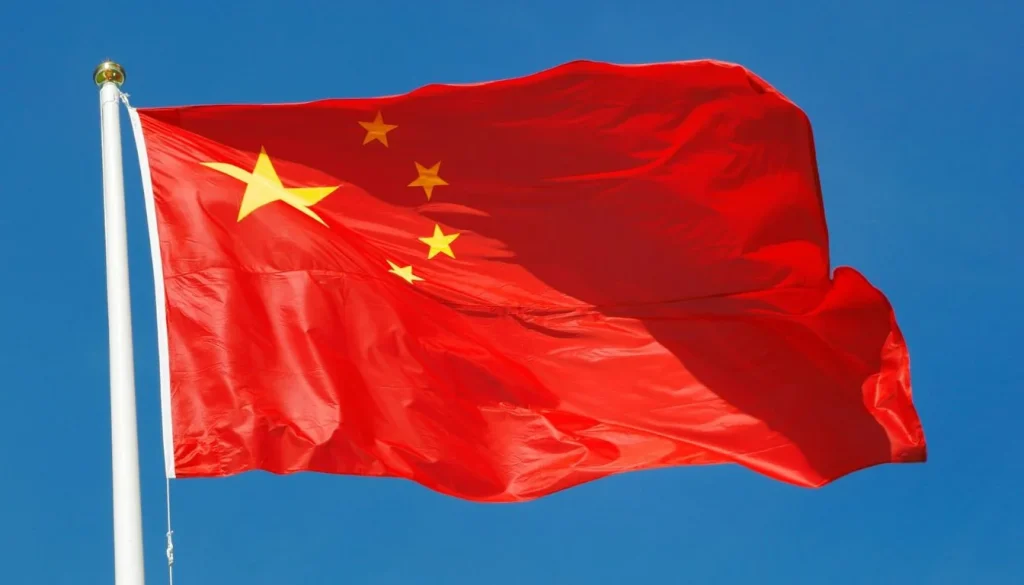
As China makes major changes in its trade policy, it is taking steps towards making its market more accessible than ever before for countries from the African continent.
However, there is one exception to this move – Eswatini.
China has announced its intention to provide zero-tariff import privileges to 53 out of 54 African countries starting immediately and lasting for two years. China Africa zero tariff policy, China hopes to become an influential business partner while the US continues to pursue isolationist protectionism.
Everything You Need to Know About China’s Zero-Tariff Import Directive
According to the directive made by the Commission of the Customs Tariff of China, imports from such African countries will be exempt from tariffs:
- South Africa
- Nigeria
- Egypt
- Kenya
- Algeria
This includes 33 other lower-income countries that have enjoyed the same benefits earlier.
Thus, tariffs ranging from 8% to 30% for exports from these countries will no longer be applied, which should boost their competitiveness on the Chinese market.
Why Is Eswatini Excluded From This Agreement?
The reason for the exclusion of Eswatini is not economic but political.
This small country continues to be the only nation within Africa maintaining diplomatic relations with Taiwan, which is considered part of China’s territory.
Hence, it becomes evident that geopolitics still significantly shapes decision-making in international business.
Which African Commodities Will See the Greatest Advantages from This Deal?
It has already been reported by the Ministry of Commerce of China that there are several commodities from particular countries that are likely to benefit:
- Cocoa from the Ivory Coast and Ghana
- Coffee and avocados from Kenya
- Citrus and wine from South Africa
Previously, these goods were subjected to up to 30% duties on entry into China. Now they will enjoy the status of duty-free cargo.
Indeed, the first consignment of duty-free goods from Africa has already been processed in Shenzhen – 24 metric tons of South African apples.
You May Also Like
Discover Cape Town’s best local dishes
Check where to enjoy authentic bunny chow and bobotie across Cape Town.
Explore affordable travel destinations worldwide
Discover budget-friendly places perfect for your next affordable travel adventure.
Check most visited cities in Africa
Explore popular African cities attracting the highest number of global tourists.
Discover luxury travel spots across Africa
Check the best safaris, islands, and premium destinations for a lavish trip.
Explore top things to do in Accra
Discover must-visit attractions and experiences in Accra for travelers in 2026.
Africa Moving Away from the U.S.?
This change takes place amid rising trade tensions with the US, which led to changes in Africa’s export policy.
During the Trump administration, several African countries experienced retaliatory tariffs, reaching more than 30–40%.
Though some of these tariffs were disputed legally, there was doubt regarding their legality, which prompted African countries to explore new opportunities by diversifying towards China.
China is Africa’s biggest trading partner, and this policy will further solidify their relationship.
The Broader Context: Advantage or Imbalance?
At first glance, this agreement appears to be extremely advantageous to Africa.
There is, however, a caveat.
Trade between China and Africa is highly skewed:
- China exported around $225 billion worth of products to Africa.
- Africa exported only $123 billion worth of products to China.
- Therefore, Africa continues to maintain a trade deficit with China.
According to experts, while agricultural exports may flourish, it must be remembered that a lot of Africa’s raw materials, such as oil and minerals, are tariff-free.
Implications for Businesses
For exporters from Africa, this means:
- Reduced cost → competitive pricing advantage
- Access to an enormous consumer base
- Demand for products like agricultural goods
However, for domestic producers, particularly manufacturers, the implications are:
- Greater dependency on China
- Import of manufactured items
- Possibility of an even greater trade deficit
Businesses that can adjust fast, especially those in agriculture and processing, will benefit greatly.
Conclusion
The decision by China not to impose duties on African imports cannot be taken as a mere commercial venture; it is more like a strategic decision aimed at gaining more influence over Africa.
It brings both advantages and questions about dependency and trade balance.
At any rate, one thing is sure:
China is becoming an increasingly influential player in Africa’s trade landscape.
