
Ask most people to name an African monument and you will hear the same answer: the pyramids of Giza. Yet Africa’s Hidden Heritage Sites tell a far bigger story, one that runs from the cradle of humanity to medieval empires whose wealth stunned the world. Many of these places barely appear on tourist maps, and some are fighting for the care they need. It is time the world, and we ourselves, looked closer.
Where Humanity’s Story Begins: Olduvai Gorge
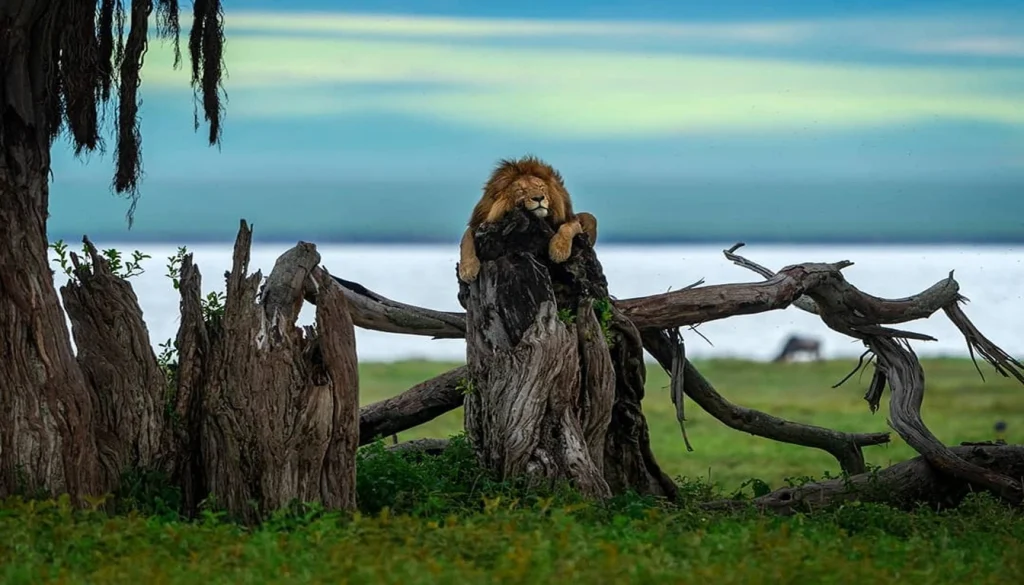
Long before any kingdom rose, our ancestors were walking through northern Tanzania. Olduvai Gorge, in the Ngorongoro Conservation Area, holds layers of earth spanning roughly two million years. Researchers have pulled more than 60 early human relatives from its soil. It also holds the longest known record of stone tool development anywhere. Mary Leakey found a skull fragment here in 1959 that changed how we understand our own origins. Every person alive today has a link to this gorge, and it still gets a fraction of the attention of far younger monuments.
Meroe: The Pyramids Egypt Does Not Own
Here is a fact that surprises many visitors: Sudan has more pyramids than Egypt. Meroe, on the east bank of the Nile, was the heart of the Kingdom of Kush, a power that ruled from about 750 BCE. Its pyramids, palaces and temples stand on a sandy ridge, and travel writers note you can often have the whole site to yourself. Sudan’s ongoing conflict makes a visit hard right now, which makes the need to protect this heritage even more urgent.
Great Zimbabwe and Khami: Stone Cities Built by Africans
Between the 11th and 15th centuries, Great Zimbabwe was the centre of a trading empire built on cattle, farming and the Indian Ocean gold trade. Its huge stone walls, put up without mortar, are among the finest works of the African Iron Age. For decades, colonial-era writers refused to believe Africans built it and credited Phoenicians, Greeks or Egyptians instead. Archaeologists David Randall-MacIver in 1905 and Gertrude Caton-Thompson in 1929 settled the matter: it was medieval and entirely African. The soapstone bird found there now sits on Zimbabwe’s flag.
Not far in importance is Khami, another Zimbabwean ruin that is far less visited. Its terraced stone platforms show that Great Zimbabwe was one chapter in a longer story of southern African statecraft.
Lalibela: Churches Carved Down Into the Rock
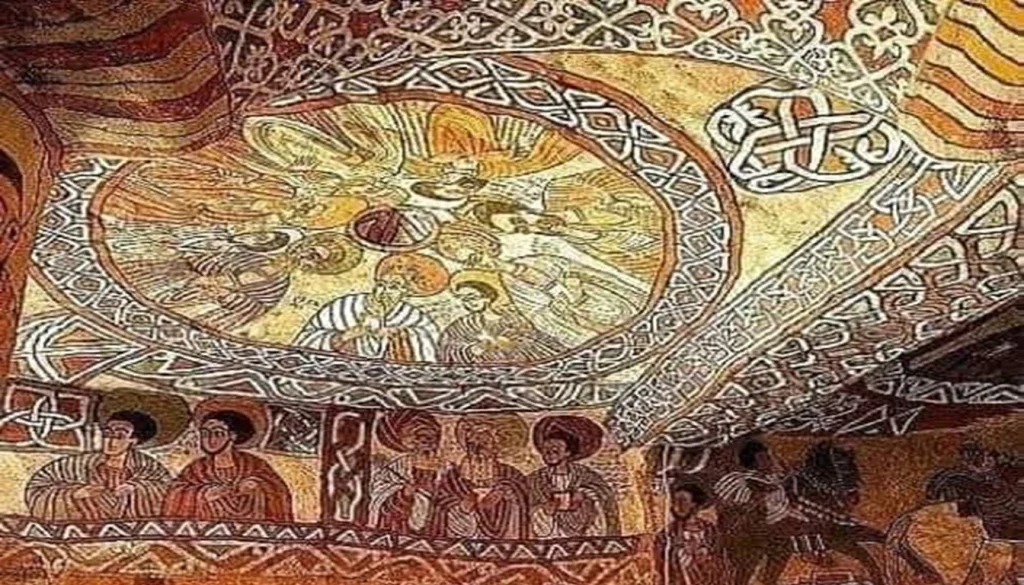
Imagine building a church by digging downward instead of building upward. In north-central Ethiopia, workers did exactly that in the late 12th and early 13th centuries. They carved 11 churches out of solid rock under Emperor Lalibela, arranging them in two groups linked by tunnels. Medhane Alem is the largest, while Mariam is known for its frescoes. This is no museum piece. Thousands of pilgrims still arrive for major holy days, dressed in white and praying where their ancestors prayed. Few of the heritage places on Earth offer that living connection to the past.
Timbuktu: A City of Scholars at Risk
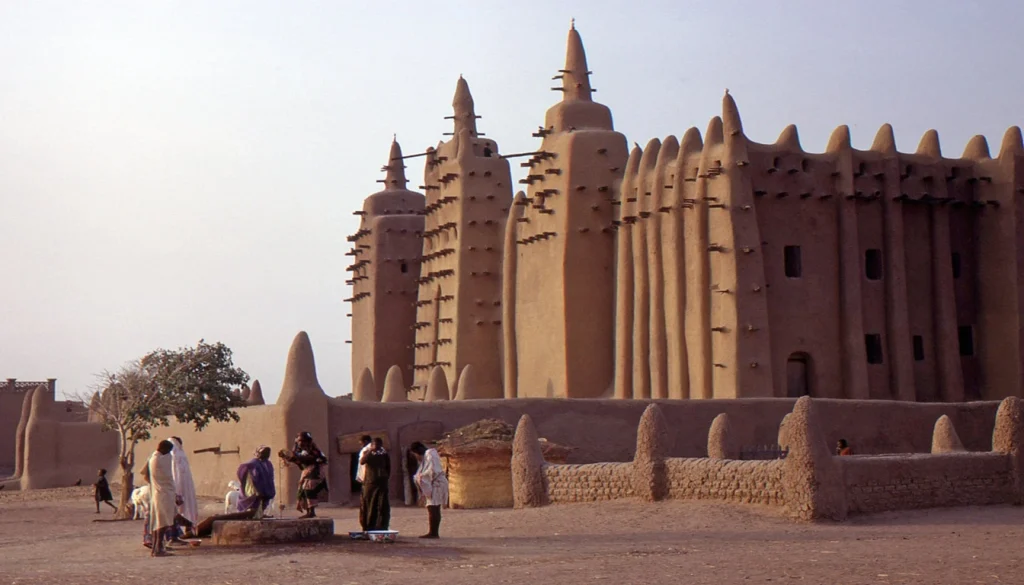
Say “Timbuktu” and many people imagine a joke about the middle of nowhere. The truth is the opposite. Founded by Tuareg communities around 1100 CE on the southern edge of the Sahara, it grew into a hub of the trans-Saharan caravan trade and a major centre of Islamic learning between the 15th and 17th centuries. Three of West Africa’s oldest mosques, Djinguereber, Sankore and Sidi Yahia, still stand there. Mansa Musa himself commissioned Djinguereber. After 2012, militants seized the city and damaged valuable cultural objects, and many manuscripts had to be smuggled out for safekeeping. Timbuktu shows how fragile heritage can be.
The Coastal Ruins That Rarely Make the Itinerary
Africa’s coastlines hide their own treasures. On Tanzania’s Kilwa Kisiwani, the Great Mosque is the oldest standing mosque on the East African coast, and the nearby Husuni Kubwa palace hints at the Swahili city’s former wealth. Visitors need a permit from the local government office in Kilwa Masoko and a guide, which keeps the crowds away.
In Libya, Leptis Magna holds some of the finest Roman architecture anywhere. Phoenicians founded it as early as the 7th century BCE, and it flourished under Emperor Septimius Severus, who was born nearby. Sand buried the city for centuries until it was uncovered in the early 20th century. Morocco’s Volubilis, mostly dating to the second and third centuries, has no bus service at all, so you must hire a car or taxi to reach it.
Why So Many Sites Stay Hidden
The reasons are practical. Roads are poor, flights are expensive, and permits and guides add cost. Conflict has closed some sites entirely. Funding for conservation is thin, and many places have almost no signage or explanation for visitors. Colonial narratives also did lasting damage by treating African achievements as someone else’s work, and school textbooks rarely gave these places the space they deserve.
What Can Change the Picture
Better access would help, but so would telling our own stories. Local guides, community-run tours and school trips for African children can build pride at home before foreign tourists arrive. Governments can invest in basic infrastructure and protect sites from looting. Digital projects can record fragile places before they are lost. International partners should fund this work without taking control of it, because the people who live near these monuments are their natural guardians.
Time to Look Closer
Africa’s past is not confined to one famous desert plateau. It is written in the stone walls of Zimbabwe, the carved courtyards of Lalibela, the mud-brick mosques of Mali and the buried layers of a Tanzanian gorge. These places deserve more visitors, more research and more pride from the continent they belong to. Start with one you have never heard of, and let it change how you see the rest.
Summing Up
Africa’s heritage runs far deeper than the pyramids of Giza. Olduvai Gorge shows where our story began, Meroe and Great Zimbabwe prove the continent built great cities in stone, Lalibela and Timbuktu show faith and learning at their peak, and the coastal ruins of Kilwa, Leptis Magna and Volubilis show how connected Africa was to the wider world. Poor access, thin funding, conflict and old colonial myths keep these places in the shadows. Fixing that starts with us: visit them, teach them, protect them, and tell their stories ourselves.
Read More
How to Apply for East Africa Tourist Visa: Easy Way to Travel in Kenya, Uganda & Rwanda
Top 5 African Destinations You Can Visit Visa-Free in 2026: A Quick Travel Planner for Citizens
Best African Airports for International Travelers in 2026
African Travelers Are Switching to eSIMs: Which Providers Offer the Best Value?
6 Gorgeous Visa-Free Countries You Can Travel to Right Now with Just an African Passport
