
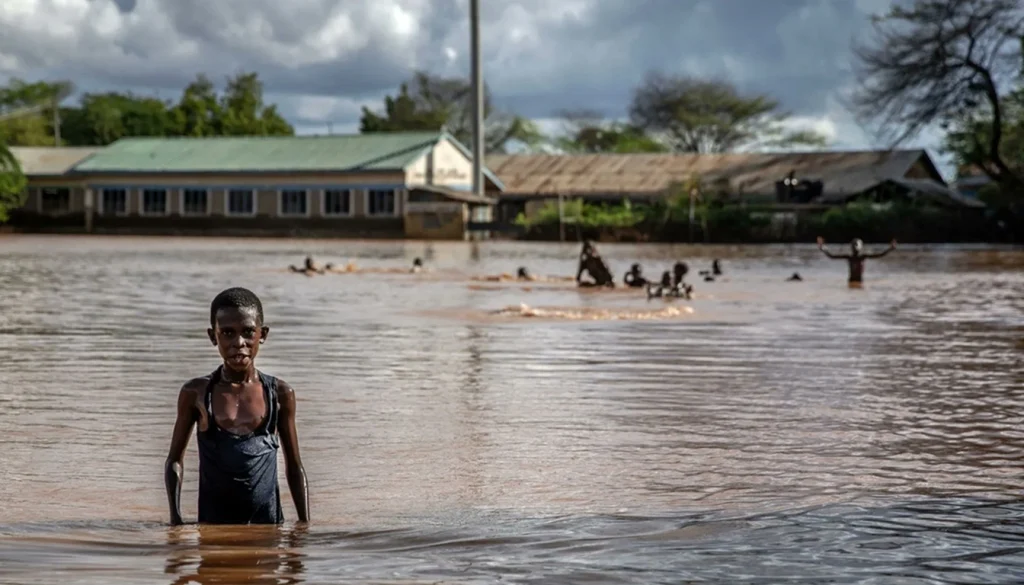
The world’s top weather and aid officials have sounded an alarm that farmers from Mogadishu to Maputo cannot afford to ignore. A Super El Niño, the strongest ever recorded, is building in the Pacific, and UN agencies are asking the world to help the most exposed communities before the damage lands.
What the El Niño forecast says
The El Niño forecast from the World Meteorological Organization puts the peak in December, but the fallout will run well into 2027 and beyond. A “super” event means central Pacific sea temperatures sit more than two degrees Celsius above normal. WMO chief Celeste Saulo told reporters in Geneva that this one goes beyond anything on the monitoring charts used for the past four decades. Extreme weather is already showing up, she said, and it will multiply and cascade as the system strengthens.
El Niño usually returns every two to seven years and lasts nine to twelve months. This time it arrives on top of climate change, conflict and high prices, and that mix is what worries officials.
Why vulnerable nations are most at risk
UN aid chief Tom Fletcher compared the weather system to a wrecking ball heading for Latin America, eastern and southern Africa, Asia and the Pacific. Crisis is stacking on crisis. Conflict and displacement, soaring fuel, fertiliser and food prices, and deep cuts to international aid have all weakened the ability of poorer countries to cope.
Fletcher warned that tens of millions could be pushed into humanitarian need, and that 50 million people could face worse hunger. He added that the shock will not stay inside frontline countries. It will hit the global economy and feed more conflict, displacement and migration.
Climate disaster preparedness starts now
Fletcher called the next two weeks the critical window to act. Somalia, Ethiopia and Kenya need supplies in place before heavy rains arrive. Southern Africa needs seeds and livestock support. He has already released $50 million to 11 frontline countries, including Chad, Ethiopia, Somalia and South Sudan, and urged governments, development banks and financial institutions to move money before the harm is done.
For African readers, this is not a distant headline. Floods in the Horn and dry spells in the south mean empty grain stores and lost herds, and food prices at your local market respond fast. Saulo’s message was simple: nobody can stop El Niño, but acting early can prevent many of its worst human costs.
Read More
Africa Could Face a $20 Billion Economic Hit From ‘Super’ El Niño
‘Super’ El Niño Could Cost Africa Up to $20 Billion: Which Countries Are Most at Risk?
The Return of El Niño: Why South Africa Is Bracing for a “Super Drought” in 2026
African Agricultural Adaptation Finance Gap: What a Decade of the AAA Initiative Shows
United Nations Sounds Alarm Over Attacks Against Aid Workers As Africa’s Conflicts Grow Deadlier
