

Football fans across the continent can celebrate. The AFCON two-year cycle is officially back, after the Confederation of African Football (CAF) scrapped its plan to hold the tournament only once every four years. For millions who plan their lives around the Africa Cup of Nations, it is a welcome U-turn.
CAF Changes Course
Last December, CAF’s surprise move to a four-year cycle did not go down well with many supporters. Under that plan, a new CAF Nations League would have become the continent’s biennial competition. This week, CAF’s Executive Committee unanimously decided that the Africa Cup of Nations will return to taking place every two years.
The signs were there earlier this month. CAF president Patrice Motsepe told a strategy conference in Cape Verde that a return to the old schedule was under consideration. The reasoning is largely financial. CAF acknowledged that the Nations League would take years to generate enough revenue to sustain African football, so the proven tournament stays on its familiar calendar.
What It Means for Players, Clubs and Fans
Motsepe said the reinstated schedule is meant to protect and promote the interests of CAF’s 54 member associations, as well as African players at clubs outside the continent.
Think about what a four-year wait would have meant. A young striker in Lusaka or Bamako might have spent a prime playing decade without a single continental showpiece. A two-year cycle gives emerging talents a regular stage, gives smaller footballing nations more frequent chances to cause an upset, and gives fans the drama of packed stadiums, painted faces, vuvuzelas and group-chat arguments more often.
The Road Ahead: East Africa Takes Centre Stage
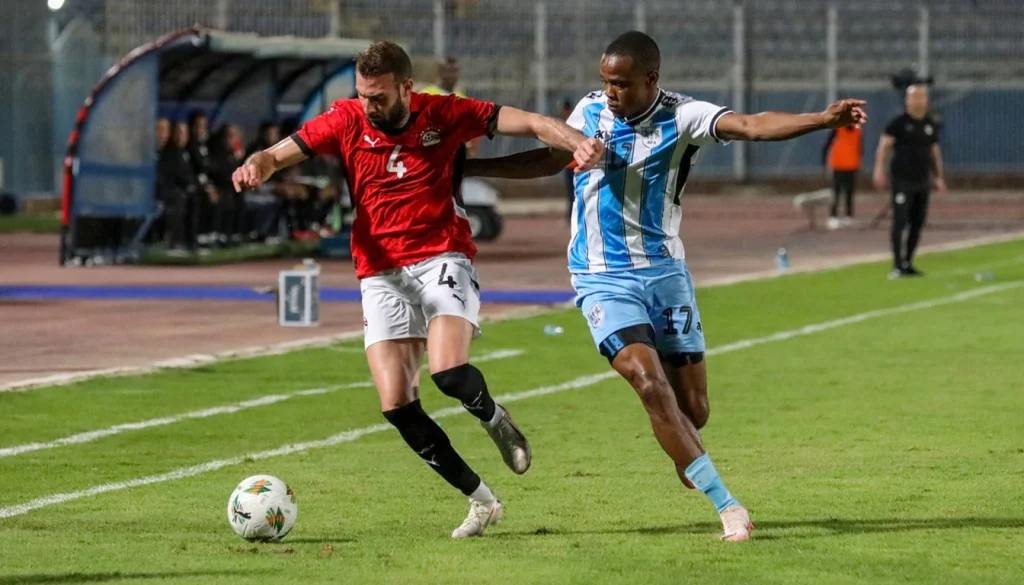
The next edition will be cohosted by Kenya, Tanzania and Uganda in 2027. Subsequent tournaments are scheduled for 2028, 2031 and 2033. East African supporters now have a historic regional tournament to look forward to, and the shared hosting makes it a rare occasion for three neighbours.
You will notice there is no tournament in 2030. CAF is keeping its tradition of not staging AFCON in a World Cup year, which gives Africa’s World Cup representatives a clear runway.
Final Whistle
The decision shows an organisation willing to listen, and it keeps one of the continent’s most beloved traditions on its natural beat. For African football, the two-year rhythm is not just a schedule. It is part of the culture, and it has just been restored.
Read More
The Road to East Africa Is Open: AFCON PAMOJA 2027 Qualifiers Roll Out Heavyweight Clashes
AFCON 2027 Qualification Scenarios for East African Teams After Matchday 2
AFCON 2027 Qualifiers: Starting List of Group Matches, Teams and Important Fixtures
