
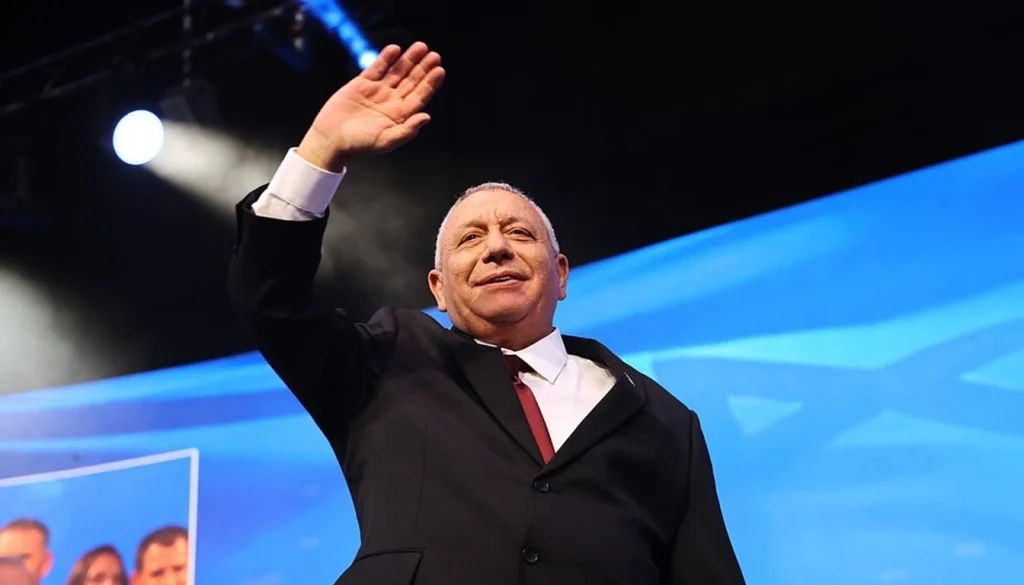
Israel still has no clear next leader. The Israel government formation race now sits in the hands of smaller parties, after President Isaac Herzog’s consultations with party leaders were due to close on Thursday, more than a week after a bitterly divisive election.
A Parliament With No Winner
Neither Prime Minister Benjamin Netanyahu’s party nor that of his main challenger, former military chief Gadi Eisenkot, won an outright majority. Both camps are now working the phones, trying to persuade smaller parties to join a coalition.
Netanyahu’s side has some early backing. Itamar Ben Gvir’s Otzma Yehudit, Bezalel Smotrich’s Religious Zionism, Shas and Zehut all recommended him to Herzog. United Torah Judaism, a usual ally, named no one. Eisenkot counts on opposition lists, and Avigdor Lieberman’s Yisrael Beiteinu has endorsed him.
The Arab-Led Parties Hold the Key
The biggest twist is the rise of Arab-led parties, which made historic gains. Raam and the Joint List are expected to play a key role in any coalition. That has angered right-wing activists, who have protested the idea of an Arab-backed government. Netanyahu and his supporters have also claimed, without evidence, that Arab parties “stole” the election.
Israel’s elections commission found otherwise. After investigating every fraud claim, it reported no irregularities that affected the result. Herzog accepted the certified results on Wednesday, a setback for Netanyahu’s attempts to discredit the vote. “The elections are over. Now is the time to face reality,” the president said.
Why Africa Is Watching
Many Africans may wonder why a coalition fight in Jerusalem matters at home. The answer is that Israel’s politics reach well beyond its borders. Egypt shares a border with it and plays a central role in regional diplomacy. Israel has also been widening its footprint on the continent, and its first ambassador recently presented credentials in Somaliland. A government that leans right will approach Gaza, Iran and African partnerships very differently from one that leans centre.
For now, the numbers are tight and the talks are tense. If no side can assemble a majority, Israel could face weeks of horse-trading, or even another trip to the polls. Whatever happens, the outcome will be felt from Cairo to Hargeisa.
Read More
Security Warning During US-Israel-Iran War: Americans to Seek Exit via Egypt
South African Rand and Bonds Tumble After Israel Strikes Iran
Israel-Hezbollah Ceasefire: How the World is Responding
Foreign Ministers from Egypt and Turkey Talk on Efforts to Stop Israel-Gaza Conflict From Escalating
