
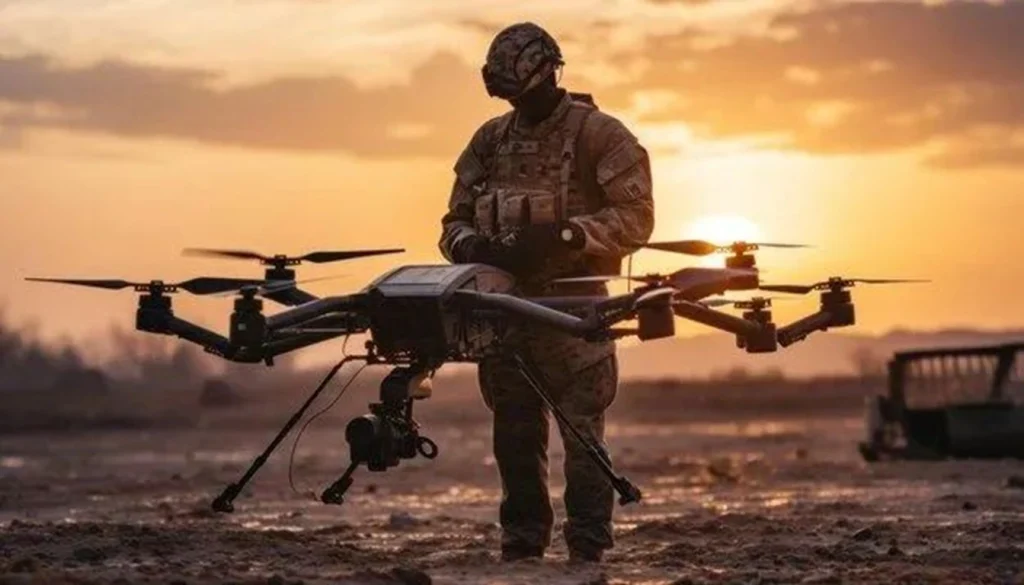
A nurse at a remote clinic realises she is running out of blood for a mother who has just given birth. Not long ago, that would have meant a frantic phone call and a long wait for a vehicle on a washed-out road. Today, the Africa Drone Revolution means that help can arrive by air, often in under an hour. What looks like a small aircraft buzzing over the treeline is changing how the continent handles health, farming and conservation.
When the Road Ends, the Sky Begins
Africa has some of the world’s most difficult terrain for logistics. Rainy seasons cut off villages, bridges collapse, and many rural health centres sit hours from the nearest hospital. For decades, this distance cost lives. African drone technology is rewriting that story by treating the sky as a road that never floods.
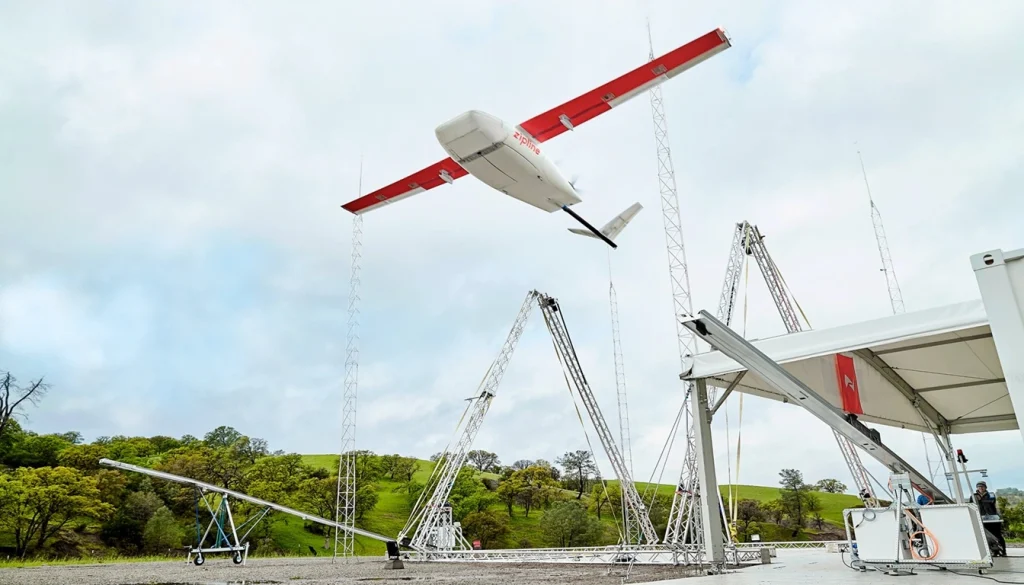
Medical drone delivery has become the most celebrated example. Rwanda was among the first countries in the world to take it to national scale, when Zipline began delivering blood to rural hospitals in 2016. A clinic sends a text message, a drone is loaded and launched, and the package is dropped by parachute near the facility. Ghana followed, and the same model has since expanded to vaccines, antivenom, rabies treatments and routine medicines in several other countries, including Nigeria and Kenya.
The benefit is simple. Many of these products need cold storage and fast delivery. A drone cuts a journey of several hours down to minutes, so fewer vaccines spoil and fewer patients wait in danger.
Not Just Blood and Vaccines
Medicine is only the beginning. Across the continent, farmers are using drones to map fields, spot crop disease early and spray fertiliser or pesticide more precisely. For a smallholder in Kenya or Nigeria, that can mean lower costs and a better harvest. Surveyors use drones to map informal settlements that official records have ignored for years, which helps communities argue for land rights and basic services. After floods and cyclones, emergency teams use them to find stranded families and to see which roads are still passable.
This is drone innovation driven by local need rather than imported fashion. The most successful projects begin with an African problem and work backwards to the technology.
Eyes in the Sky for Our Wildlife
If medicine shows what drones can do for people, wildlife conservation Africa shows what they can do for nature. Rangers in vast parks such as those in Kenya, South Africa, Zimbabwe and Tanzania cannot be everywhere at once. Poachers know this and often strike at night, when visibility is low.
Drones fitted with thermal cameras can spot a human body heat signature in the dark from a safe height. That gives rangers a warning before a rhino or elephant is killed, and it lets them reach a scene without walking into an ambush. Conservation groups have also used drones to count elephant herds, track migrating wildebeest and monitor remote wetlands that would take days to cover on foot.
The same tools help with a quieter problem: human-wildlife conflict. When elephants wander toward farmland, a drone can gently guide them back toward the park, protecting both crops and animals. Farmers who once saw wildlife as a threat can begin to see conservation as something that works for them too.
Training Africa’s Own Pilots and Engineers
A technology revolution only lasts if local people run it. That is why training centres matter as much as the aircraft. In Malawi, a drone corridor and training academy backed by UNICEF has taught young Africans to fly, maintain and apply drones for health, mapping and emergency response. Similar programmes are growing in Rwanda, Kenya, Tanzania and Ghana.
This is where the African technology revolution becomes personal. A graduate who learns to build and repair drones does not just get a job. They can start a company, serve their district and train others. Young Africans, who make up the majority of the continent’s population, are the real engine behind this change.
The Hurdles Still in the Way
It would be dishonest to pretend the road is smooth. Several challenges remain.
- Regulation: Airspace rules must keep pace with the technology. Rwanda has built a reputation for flexible, forward-looking aviation regulation, but not every country has done the same. Slow approvals can leave useful projects grounded.
- Cost and sustainability: Many programmes depend on donor funding or private investment. Governments will need to include drone services in health and conservation budgets so they survive after the pilot phase.
- Privacy and security: Cameras in the sky raise fair questions about who is watching and who owns the data. Clear rules and community consultation are essential for public trust.
- Infrastructure: Drones still need power, internet access, trained staff and a ground team. A drone cannot fix a clinic with no electricity.
What Comes Next
The next phase is likely to bring bigger payloads, longer range and cheaper, locally assembled machines. African startups are already designing aircraft suited to the continent’s heat, dust and distance. As more governments build supportive rules and more young engineers enter the field, drones could become as normal as motorbikes for moving essential goods.
The Africa Drone Revolution is not about gadgets. It is about reaching the last mile that roads and budgets have long ignored, whether that last mile leads to a village clinic or a protected savannah. When a vaccine arrives before it spoils, or a ranger arrives before a poacher does, technology stops being a promise and becomes a lifeline.
For a continent that has often had to leapfrog old systems, the sky may be the shortest route forward.
Read More
Atiku Abubakar Nigeria Ballot: Will a Court Ruling Keep the Veteran Candidate Off?
Africa’s Floating Villages: Where Life Rises and Falls With the Water
Kenya Starvation Cult: A Father’s Grief as Paul Mackenzie Awaits Sentencing
South Africa Elections Turn Deadly as Party Organiser Is Shot Dead
South Africa Elections 2026: Votes Are Being Counted in a Test the ANC Cannot Ignore
