
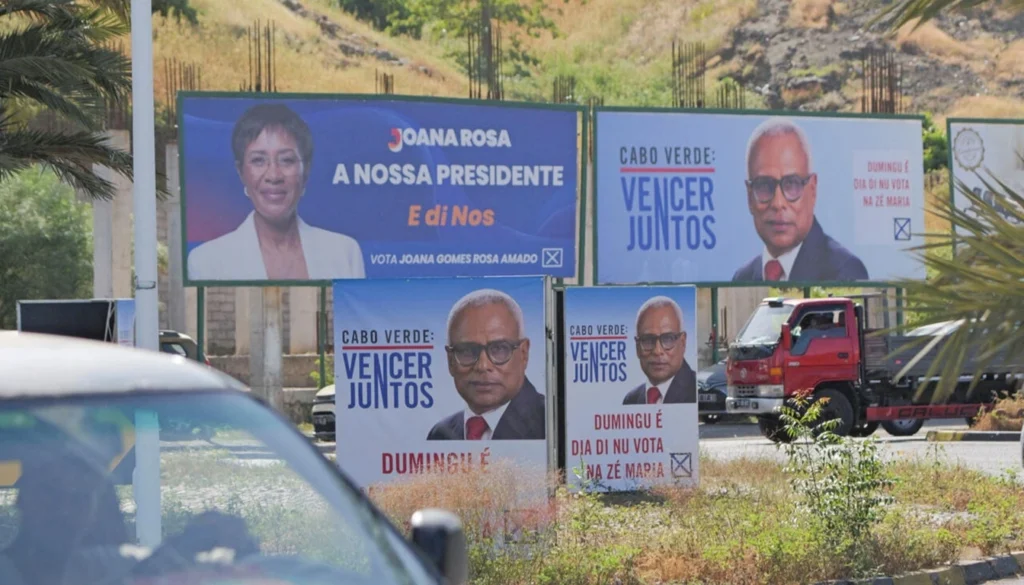
Voters across the Atlantic archipelago headed to the polls on Sunday to choose a new head of state. The Cape Verde presidential election is drawing attention far beyond the ten volcanic islands, because for the first time a woman is on the ballot.
A historic challenge
Incumbent José Maria Neves is favoured to win a second term. He faces former justice minister Joana Rosa Amado, the country’s first female presidential candidate, along with four other opposition figures. Rosa is backed by the Movement for Democracy, which governed for ten years before losing the May parliamentary vote.
More than 300,000 people are eligible to vote, and polls close at 6pm local time. Provisional results are expected within two or three days. About 150 observers from ECOWAS, the African Union and the European Union are watching. If no one wins more than 50 per cent, the top two will meet in a runoff on 29 November.
Jobs, prices and the pull of abroad
Many Cape Verdeans live overseas, so the campaign centred on a question familiar across Africa: how do you give young people a reason to stay? Neves has promised a youth summit if re-elected. Rosa argues that government must make it possible for young people to build their future at home.
Everyday worries sit close behind. Voters have spoken about the rising cost of living, fuel prices and youth unemployment. Moving between the islands remains expensive and difficult, so both main candidates have promised better air and sea links, plus new tourist accommodation.
A stable democracy on the rise
Cape Verde sits about 600 kilometres off Senegal and is often praised for stability in a region that has seen coups and contested polls. It has had a remarkable year. Its football team reached the knockout stage in its first World Cup. In July, the World Bank reclassified it as an upper-middle-income country, thanks largely to tourism.
Growth has not erased inequality or isolation, and that is the test awaiting whoever wins. Whatever the outcome, a woman on the presidential ballot marks a milestone for the islands, and for women across the continent who are watching.
Read More
Gambia Presidential Election: Five Candidates, One Big Test for Barrow
Mauritius and Seychelles Lead Africa in New Capitalism Index
Mohamed Salah Egypt Scoring Record: The Pharaohs’ King Takes the Crown
How K-Dramas Use Africa to Shape South Korea’s Global Image
Fake Seeds, Real Losses: How Africa Is Fighting Counterfeit Seeds With TechnologyVoters across the Atlantic archipelago headed to the polls on Sunday to choose a new head of state. The Cape Verde presidential election is drawing attention far beyond the ten volcanic islands, because for the first time a woman is on the ballot.
A historic challenge
Incumbent José Maria Neves is favoured to win a second term. He faces former justice minister Joana Rosa Amado, the country’s first female presidential candidate, along with four other opposition figures. Rosa is backed by the Movement for Democracy, which governed for ten years before losing the May parliamentary vote.
More than 300,000 people are eligible to vote, and polls close at 6pm local time. Provisional results are expected within two or three days. About 150 observers from ECOWAS, the African Union and the European Union are watching. If no one wins more than 50 per cent, the top two will meet in a runoff on 29 November.
Jobs, prices and the pull of abroad
Many Cape Verdeans live overseas, so the campaign centred on a question familiar across Africa: how do you give young people a reason to stay? Neves has promised a youth summit if re-elected. Rosa argues that government must make it possible for young people to build their future at home.
Everyday worries sit close behind. Voters have spoken about the rising cost of living, fuel prices and youth unemployment. Moving between the islands remains expensive and difficult, so both main candidates have promised better air and sea links, plus new tourist accommodation.
A stable democracy on the rise
Cape Verde sits about 600 kilometres off Senegal and is often praised for stability in a region that has seen coups and contested polls. It has had a remarkable year. Its football team reached the knockout stage in its first World Cup. In July, the World Bank reclassified it as an upper-middle-income country, thanks largely to tourism.
Growth has not erased inequality or isolation, and that is the test awaiting whoever wins. Whatever the outcome, a woman on the presidential ballot marks a milestone for the islands, and for women across the continent who are watching.
Read More
Gambia Presidential Election: Five Candidates, One Big Test for Barrow
Mauritius and Seychelles Lead Africa in New Capitalism Index
Mohamed Salah Egypt Scoring Record: The Pharaohs’ King Takes the Crown
How K-Dramas Use Africa to Shape South Korea’s Global Image
Fake Seeds, Real Losses: How Africa Is Fighting Counterfeit Seeds With Technology
