
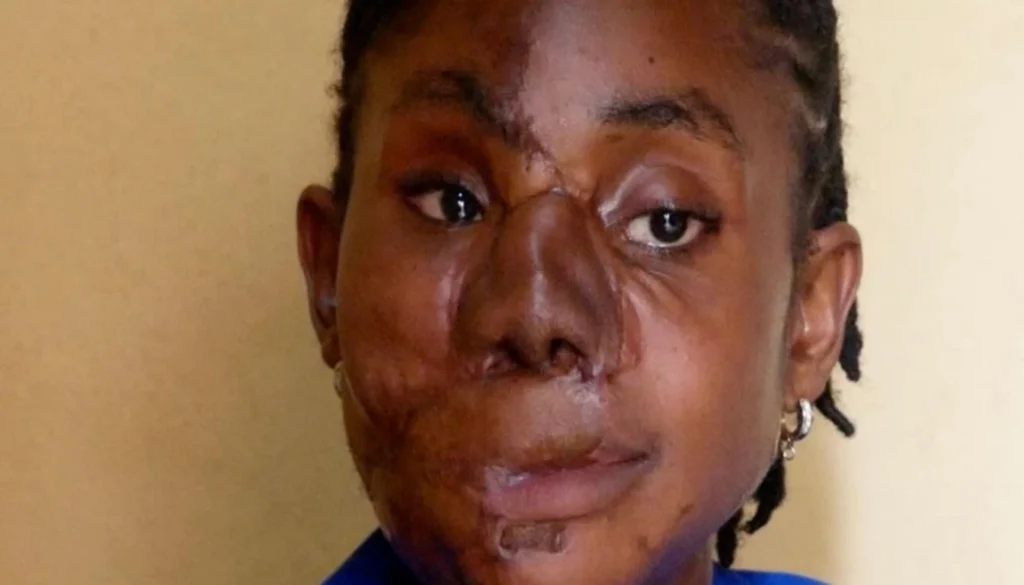
Some wars get cameras. Others get silence. The Cameroon conflict, now close to ten years old, belongs to the second kind, and a recent news report on young people shot in the face at just 15 shows what that silence costs. Behind every statistic is a teenager whose future was rewritten by a stray or deliberate bullet.
How It Started
The trouble began at the end of 2016, when teachers and lawyers in Cameroon’s two English-speaking regions protested the growing grip of the mostly French-speaking authorities on schools and courts. About 20% of Cameroonians live in those regions. The government cracked down hard. By 2017 separatists had declared an independent “Republic of Ambazonia”, and armed conflict with Yaoundé followed.
Civilians in the Crossfire
Ordinary people have paid the highest price. The UN says at least 6,000 civilians have died since 2016. Families have faced extortion, kidnapping for ransom, killings and burned homes, with both separatist fighters and state forces accused of abuses. More than 330,000 people were displaced inside Cameroon in 2025, and over 100,000 more sought safety in neighbouring Nigeria.
Children carry a heavy share of this. Schools have been closed, boycotted or attacked for years. A 15-year-old girl was killed by an improvised device at a Youth Day celebration in Nkambe in 2024, and 92 others were wounded, some of whom lost limbs. Survivors of such violence live with disfigurement, trauma and little medical support.
Why the World Should Care
This is not a conflict happening to someone else. Cameroon sits at the heart of Central Africa, and refugees are already crossing into Nigeria. A generation raised without schooling, healthcare or trust in any authority is a problem for the whole region.
Peace efforts have repeatedly stalled. This week a leading separatist figure went on trial in Norway, and Bamenda fell silent under a “ghost town” call, a reminder that daily life is still dictated by the conflict.
If Africa wants silenced wars to end, they need to be talked about. The young people in this story deserve more than a headline. They deserve schools, surgeons and a country at peace.
Read More
Zambia Opposition Leader Brian Mundubile Faces Treason Trial After August Vote
Burundi Presidential Poll: Rwasa Challenges the Rules to Run as an Independent
Angola De Beers Deal: $180 Million for 10% of a Diamond Giant
2031 FIFA Women’s World Cup Lands in North America, and Africa Has Plenty to Watch
COP31 Climate Talks Collapse: Africa Pays the Price for a Fossil Fuel Fight
