
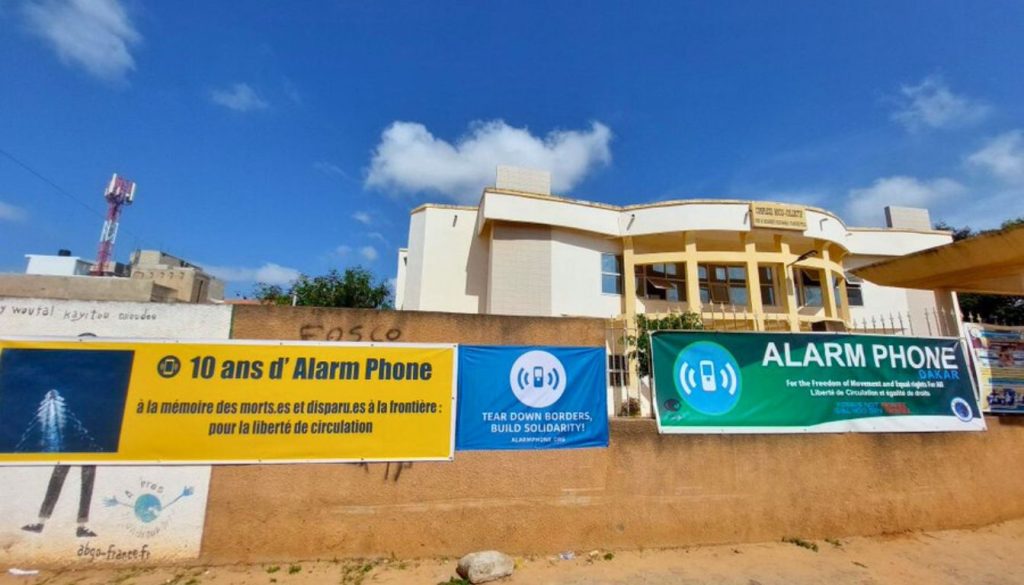
Alarme Phone Sahara (APS) is a grassroots network for solidarity that works in the Agadez area of Niger. It helps people who are trying to cross the Sahara Desert, which is one of the most dangerous ways to move around the world.
APS doesn’t try to stop people from migrating; instead, it works on saving lives, providing documentation, and fighting for human rights. Its main job is to give travellers accurate information, organise emergencies, and act quickly when they are stuck or in trouble.
How APS Works in Agadez
A toll-free emergency hotline is run by APS that refugees can call if they are in life-threatening situations, like
- Not having enough water
- A car breaks down in the middle of the desert
- Smugglers are leaving people behind
- Emergencies in medicine
There are local “whistleblowers” (alerters) in the network who keep an eye on movement routes in and around Agadez. When APS receives calls for help, they work with:
- Local helpers
- Patrol groups in the community
- In some cases, military or government forces
Because of this cooperation, many emergency situations have been handled, especially along the border between Niger and Algeria.
Why APS is Important
Because of worries about safety and privacy, individual case stories are not widely shared. However, APS has helped with:
1. Coordinated Desert Rescue Alerts
They have set off search efforts for migrants who are stuck in the desert without water and in very hot weather.
2. Help with emergency supplies
Patrol teams bring water and food to people in the Agadez area, especially pregnant women and sick people who are more likely to be hurt.
3. More awareness of safer travel
APS gives out call cards with information about their hotline. These cards help keep refugees from travelling alone and give them a way to get help if they get lost.
4. Records of human rights
In addition to rescue work, APS keeps records of abuses, disappearances, and dangerous pushbacks. This helps with larger advocacy efforts in the Sahel area.
Why the route through the Sahara is so dangerous
Crossing the Sahara between Niger and North Africa is very dangerous:
- A lot of heat (often over 45°C/113°F)
- Huge, unnamed desert land
- Breakdowns of vehicles far from towns
- Smugglers giving up
- Not much official search and rescue equipment
APS works in this tough environment, filling in important gaps where state processes aren’t working right or are too busy.
A Focus on Human Rights Approach
APS doesn’t focus on controlling migration; instead, it promotes empowerment through knowledge and community. Their work is in line with more general human rights ideals, putting an emphasis on:
- The right to live
- Getting help in an emergency
- Refugees should be treated with respect
In the Sahel region, where migration is highly regulated by the security industry, APS is a response from civil society that focuses on safety rather than stopping people from coming.
FAQs
1. What does Alarme Phone Sahara do?
APS runs a hotline and a local alert network to help save migrants who are stuck in the Sahara Desert, especially in the Agadez area of Niger.
2. Does APS work with the government?
APS sometimes works with local governments or the military to organise rescue operations, but this doesn’t always happen.
3. Does APS try to stop people from moving?
No, APS’s main goals are not to stop migration but to save lives and give knowledge. Its main goals are to help people in need and fight for human rights.
