
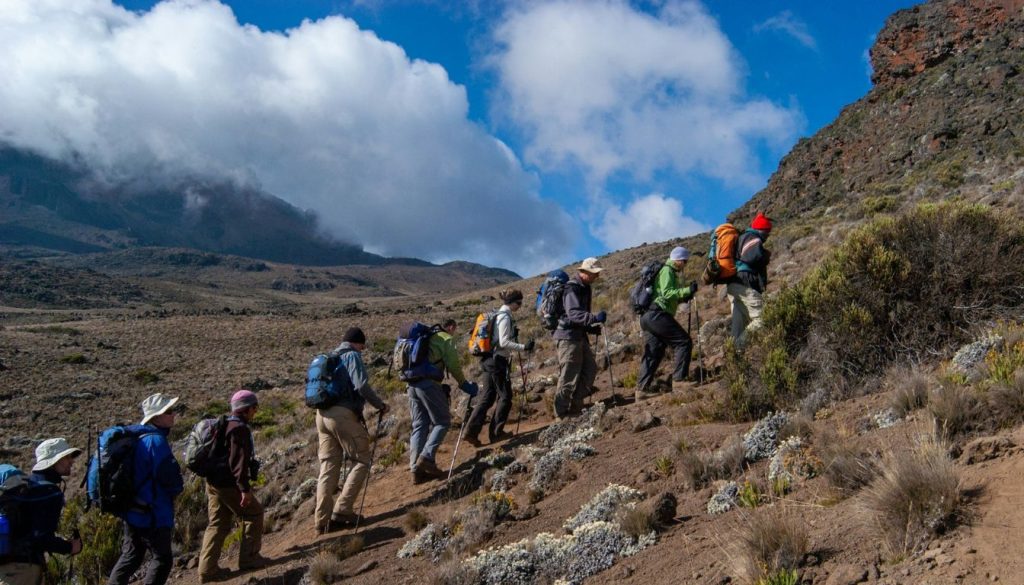
Although many trekkers around the globe are looking for the opportunity to go to the summit of Mount Kilimanjaro, the timing of a successful hike is a very important factor. Summit success, safety, and overall enjoyment during the hike are all factors that depend on the time of year you choose to climb. Experts recommend climbing Kilimanjaro during the dry seasons, as dry seasons typically have better weather and visibility conditions.
The months of December through mid-March and late June through October are the best months to ascend Kilimanjaro. The months of January, February, July, August, September, and October are the months with the highest amounts of climbers.
During the months of January and February, climbers enjoy relatively warm temperatures at lower elevations, but you may experience afternoon showers. The dry season from June through October will provide very dry weather conditions and crisp skies; however, the temperature will decrease significantly at the summit.
There are three main benefits to climbing during the dry seasons, including:
– Clear and improved views of glaciers and surrounding areas
– Improved trail conditions with little to no mud
– Reduced likelihood of heavy snowfall at the summit
July and August are the most popular months for climbing, so you should book your trip early (6-12 months).
Rainy Seasons Pose Challenges
Generally, climbers will not climb between late March and early June (the long rains), or during November (the short rains). There are several reasons why people do not want to climb during these months. Heavy rainfall can create very slippery and muddy trails, reduce visibility so climbers cannot see where they are going, and increase discomfort. Also, the summit success rates of climbers who climb during the rainy months can be significantly lower than those of climbers who climb during the dry months.
While experienced climbers who are more accustomed to climbing and are looking for solitude sometimes prefer to climb during these quieter months, the increased chance of bad weather makes it less of a good time for first-time climbers.
Factors beyond weather to consider include assessing physical fitness and the route selected. Longer routes will provide better acclimatisation than shorter routes and thus higher summit success rates. Statistically, summit success rates exceed 80% in dry months; however, in rainy months, summit success rates are significantly lower.
Many people combine their crush of climbing with an African safari in Tanzania (between July and September) during the peak migration of wildlife.
Ultimately, determining which month to climb is dependent upon how much enjoyment, safety and whether or not you will make it to the top of Africa’s highest mountain.
FAQs
What are the best months to climb Mount Kilimanjaro?
January, February, July, August, September and October are the most common months climbers climb Kilimanjaro.
Why avoid the rainy seasons?
Heavy rainfall can create trails that are muddy, difficult to navigate because of low visibility, and lower summit success rates compared to climbers who climb during the dry season.
Is Kilimanjaro colder from June to October?
Yes, while conditions are drier, they are also colder in higher elevations than the other months.
