
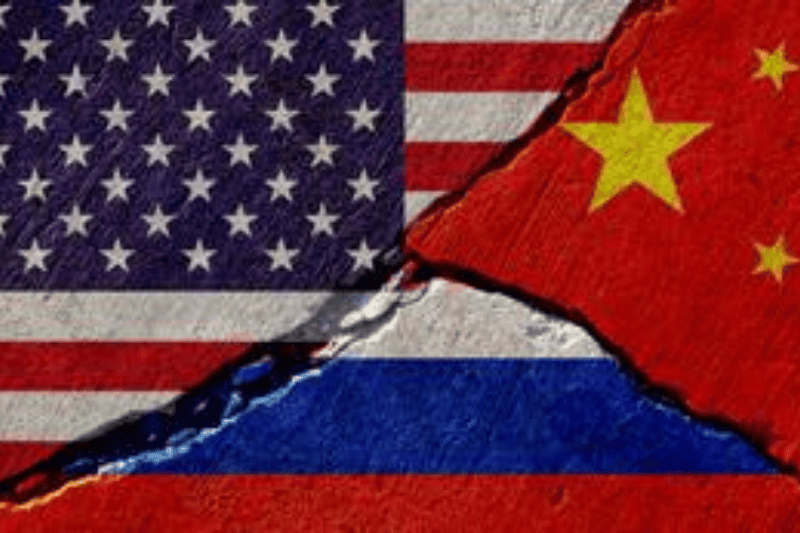
Africa’s pull is straightforward. Expanding cities need power, housing, transport, and data networks, so capital follows. Critical minerals and energy reserves add another magnet, tied to batteries, electronics, and defence supply chains. Sea lanes near the Red Sea, the Gulf of Guinea, and the Indian Ocean keep strategic planners focused. Deals are business, and also positioning. That is the mood.
How China Is Expanding Its Influence Across Africa
China stays visible because it builds big and builds often. State-backed finance and Chinese contractors dominate many transport and energy contracts, especially where quick delivery matters politically. Some governments praise the pace. Others worry about repayments. Both views sit side by side, uneasy.
Common areas of Chinese engagement:
- Ports, roads, rail upgrades linked to trade routes
- Power plants and grid extensions tied to electrification
- Digital networks, including fibre builds and telecom equipment
Debt talks shape the relationship now, with restructurings handled country by country. It is not always smooth. Nothing is.
Europe’s Evolving Strategy to Maintain Its Presence in Africa
Europe is competing with stricter rules and longer horizons. EU-backed programs stress procurement standards, sustainability checks, and grant-linked development work, often under the Global Gateway banner. The process can drag at times. Partners waiting on projects feel it.
Europe’s strongest lanes remain:
- Grants in health, education, and climate adaptation
- Trade access shaped by EU standards and compliance
- Long-term investment in services and manufacturing inputs
Security and migration concerns sit high on Europe’s agenda, especially around the Sahel and North Africa. Politics can flip quickly. That is the risk.
The United States’ Renewed Push to Strengthen Its Role in Africa
The US pitch leans on private capital, security cooperation, and supply-chain planning. It funds fewer headline mega-builds, yet it offers finance tools and influence in global institutions. The message sounds steady. Still, election cycles shift emphasis, and African officials track that.
The US toolkit often includes:
- AGOA trade preferences and market access talks
- Co-financed infrastructure with partners, focused on corridors
- Counterterror training and security support in selected states
Technology choices matter more now, with cybersecurity and vendor decisions treated as national issues. Less glamorous, more important. And it sticks.
Key Sectors Where the Competition Is Most Visible
Competition is sharpest in revenue-linked sectors. Infrastructure grabs headlines. Minerals and data drive leverage. Feels heavy, sometimes.
| Sector | China | Europe | United States |
| Infrastructure | Fast execution, tied lending | Rules-led funding, sustainability checks | Co-financing, strategic corridors |
| Energy | Generation plus grid buildouts | Renewables, efficiency, climate finance | Mixed energy support, finance tools |
| Critical minerals | Deal networks via state-linked firms | ESG-linked sourcing, due diligence | Supply-chain partnerships, strategic deals |
| Digital | Telecom gear, fibre, smart-city systems | Regulation and standards support | Big tech ecosystem, cyber cooperation |
How African Nations Are Responding to Global Competition
Many African governments negotiate harder now. They compare offers, push local job clauses, and try to lock in training and technology transfer. Sometimes the paperwork looks stronger than enforcement. That happens.
Visible responses include:
- Mining and tax reforms aimed at local processing and higher state revenue
- Multi-partner financing to reduce dependence on one lender
- Regional trade plans used to attract industry and logistics hubs
Domestic pressure shapes every choice: debt servicing, currency swings, elections, security threats. Leaders often pick the option that keeps services running. Not pretty, but real.
What This Geopolitical Rivalry Means for Africa’s Future
More competition can improve terms and speed, especially when governments enforce transparent procurement. It can also deepen debt, distort priorities, and widen political interference. Some projects will look shiny at launch and still fail on maintenance two years later. That is not rare.
The countries that gain the most are likely to build negotiating capacity, publish contracts, and train civil servants who can push back on weak clauses. Local processing and local procurement will stay on the table, even when partners resist. Slow progress, yes. But it holds.
Keep Reading
FAQs
1) Why are China, Europe and the US competing in Africa so strongly now?
They want market access, strategic routes, and minerals needed for energy, defence, and technology supply chains. Messy, true.
2) Which sectors show the clearest China-Europe-US competition in Africa?
Infrastructure, energy, critical minerals, digital networks, and security partnerships draw the sharpest attention and funding. No surprise.
3) How do African states use this competition to secure better deals?
They compare bids, demand local hiring, and split projects across partners to reduce dependence. It takes patience.
4) What are the biggest risks linked to heavy external involvement in Africa?
Debt stress, weak oversight, uneven local value creation, and political pressure can damage long-term stability. Risk is real.
5) Are African countries choosing sides between China, Europe and the US?
Many avoid rigid alignment, keeping multiple partnerships while prioritising national plans and domestic realities. Tight rope.
