
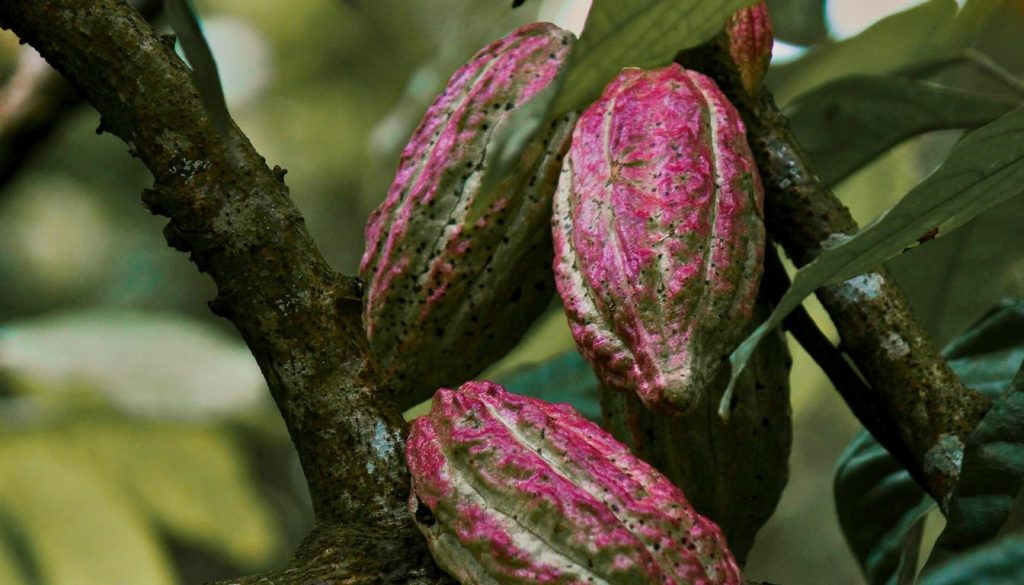
Importance and reliance on the crop as an economic driver have diminished due to lower prices for cocoa, shifting consumer preferences toward chocolate products, and changing demographics of consumers. Domestic production levels are expected to continue decreasing in the years ahead as demand for imported cocoa increases, due primarily to an overall increase in global production of cocoa beans being produced in Asia and Africa. Cocoa will remain a major contributor to the overall economy, but will not be able to support the same level of economic activity as it has in the past.
Ghana: The World’s Second Largest Cocoa Producer
Ghana’s economy also depends on the cocoa production industry for a significant proportion of its economic activity and jobs. With cocoa accounting for approximately 20-30% of total GDP, this sector generates significant revenues from export sales (as well as providing local consumers with access to affordable food). This crop is vital to many sectors in Ghana’s economy. The farming of cocoa has substantially changed since 2000, with increased mechanisation (use of technology) being utilised by farmers, along with an increase in production using better-quality planting material and enhanced skills by farmers.
The demand for cocoa has expanded significantly in the past five years. This has increased the amount of cocoa being produced at a faster rate than the total production of cocoa in Ghana over that same period. Approximately 70% of cocoa produced in Ghana goes to the processing and export of cocoa products, while the remaining 30% is retained for local consumption by farmers and consumers. As Ghana continues its economic growth, the demand for cocoa from the international market will continue to increase, making the cocoa sector an integral part of Ghana’s economy for the foreseeable future.
Cocoa serves as a key factor for the economy of Ghana, but its place in the overall economy of Ghana’s GDP varies based on production levels and global prices. The contribution of the cocoa sector to Ghana’s GDP is approximately 3.5%, but peaks above 20%—i.e. approximately 21.5% in 2014 when the cocoa sector represented roughly the same amount of the total economy of Ghana. Cocoa provides approximately 25% of the total export revenues of Ghana, making it one of the major commodities of Ghana.
Employment is a major consideration, and the cocoa sector is responsible for producing between 17 and 30 per cent of the workforce in Ghana, and local farming provides a primary source of income to people in rural areas in Ghana.
It is projected that the cocoa industry will produce approximately GHC 2.91 billion (approximately US$188 million) in 2029, which emphasises that cocoa will continue to be a key player in the economy.
How Cocoa Affects the Economy Beyond the Normal View
In both Ghana and Côte d’Ivoire, cocoa does much more than generate income from exports. In both the Ivory Coast and Ghana, taxes from cocoa contribute to the financing of rural infrastructure, providing social services to farmers, and generating revenue for the national government. For instance, cocoa taxes accounted for approximately 16 per cent of total government revenues in the Ivory Coast.
Cocoa also faces challenges. Global prices are volatile; countries are experiencing climate change; crops are at higher risk of diseases, and there is therefore less cocoa available.
FAQs
1. Which countries produce the most cocoa in the world?
Côte d’Ivoire and Ghana are the two largest cocoa producers globally, supplying a major share of the world’s cocoa beans.
2. How much does cocoa contribute to Côte d’Ivoire’s economy?
Cocoa contributes around 10% of GDP and up to 35–40% of the country’s export revenues.
3. What role does cocoa play in Ghana’s economy?
In Ghana, cocoa contributes about 3.5% of GDP on average and accounts for roughly 25% of export earnings.
4. How many people depend on cocoa farming in these countries?
Millions of people depend on cocoa farming, with 17–30% of Ghana’s workforce and a large portion of Côte d’Ivoire’s rural population involved in the sector.
5. What challenges does the cocoa industry face?
Major challenges include climate change, fluctuating global prices, crop diseases, and the need for sustainable farming practices.
