
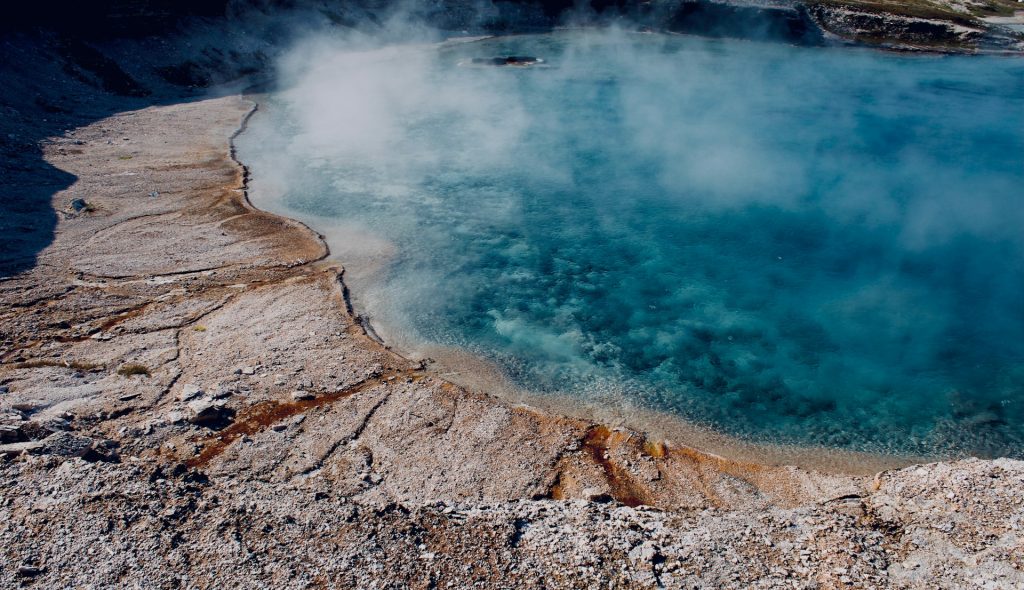
The Danakil Desert is one of the hottest and harshest places on Earth. It is in the huge Danakil Depression. With its scorching heat, dangerous volcanic gases, acidic pools, and rough salt flats, it has a strange scenery that you can’t find anywhere else.
However, exploring this area needs careful planning, the right gear, and skilled help.
Join only planned tours
In the Danakil area, travelling alone is strongly discouraged and is often illegal without the right permits. The area is in the Afar region of Ethiopia, which needs special permits and security plans.
Why it’s important to go on organised tours:
- Plans for more than one day (usually 2–4 days)
- 4×4 cars that are ready for desert conditions
- armed scouts to keep people safe
- Experienced guides in the area
- It comes with food, water, and camping gear.
Most trips start in either Addis Ababa or Mekelle. Most travellers fly into Mekelle first and then drive into the desert for three to four hours.
Peace improvements after 2022 have made the area safer, but you should still check the latest traffic advisories before you leave.
When is the best time to visit the Danakil Desert?
Due to the high heat, timing is very important.
Best Months:
- From November to February
- Temperatures during the day usually stay below 40°C
- Better conditions for hikes.
- Safer trips to volcanoes
- March through May (rainy season)
- Flash floods
- Wet roads that are hard to get to
- Delays in travel
During the summer, temperatures can get very high, close to 50°C, which makes travelling very hard.
Must-Have Gear for Survival and Comfort
Getting ready can make the difference between a fun trip and one that puts your health at risk.
Things you must pack:
- Clothing that is light and airy
- A hat with a wide top and sunglasses
- Sunblock with a high SPF
- For dust and fumes, wear a scarf or a mask.
- A headlamp is helpful for hiking at night in Erta Ale.
- Strong climbing boots (never go barefoot near salt crusts or sulphur pools)
- Power bank
- Bathroom items and wet wipes
- Wear a swimsuit to hot springs.
- Prevention of malaria
- A lot of water to drink
Staying hydrated is very important. In this kind of heat, you can quickly become dehydrated.
Important Dangers to Know: The Danakil Desert is beautiful, but it also has some very dangerous areas.
Very hot weather
1.Temperatures can rise above 50°C, which raises the risk of heatstroke and dehydration.
2.Gases from volcanoes.
3.Toxic fumes can hurt the eyes and lungs and come from places like Dallol and Erta Ale.
Ground Not Stable
Salt crusts and the edges of craters may fall off without warning.
Lakes That Are Acidic
Some pools are very acidic, so don’t touch them and make sure you follow your guide exactly.
Follow the marked tracks at all times and never go off by yourself.
FAQs
1. Is the Danakil Desert a safe place to visit?
Yes, but only on planned trips with knowledgeable guides and security guards. It’s not a good idea to travel alone.
2. Which month is the best to go to the Danakil Depression?
With cooler daytime temps, November through February is the safest and most comfortable time to visit.
3. How hot is it in the Danakil Desert?
During busy seasons, temperatures can reach up to 50°C, so it’s important to stay hydrated and know when to go.
