
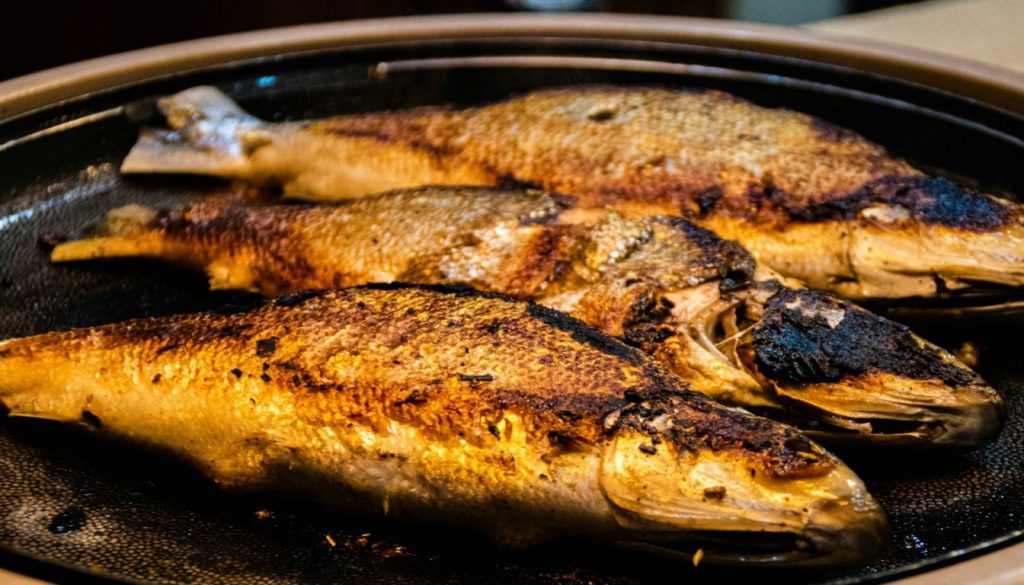
Mukbasa, or Djiboutian Yemeni fish, is one of the most famous dishes in Djibouti. The dish shows how different cultures have influenced each other in the country, especially the long history between Djibouti and Yemen across the Red Sea. This Yemeni-inspired recipe has changed over time to become Djibouti’s national dish. People in Djibouti City and other parts of the country love it.
Mukbasa is known for being easy to make, using fresh ingredients, and cooking in a unique way. The dish usually calls for firm, non-oily white fish. Red snapper is the most popular choice because of its texture and mild flavour.
The Fish That People Usually Use in Mukbasa
The fish itself is the most important part of the Djiboutian Yemeni fish. Chefs usually choose a firm white fish that keeps its shape when it is roasted.
Red snapper is often thought to be the best choice because it stays moist while cooking and takes spices well. When snapper isn’t available, you can use other white fish, but the most important thing is that the fish shouldn’t be too oily.
Before cooking, the fish is usually cut in half lengthwise and cleaned well. This method helps the fish cook faster by making sure the seasoning is evenly spread over the flesh.
Method of Preparation in the Past
Making Mukbasa is easy, but it stands out from other dishes. After cleaning the fish, cooks lightly salt the outside and brush it with a mild red pepper paste. This paste is often based on Ethiopian spices and gives the dish a little bit of heat and colour.
Then, the fish is put on a metal rod and roasted in a terracotta oven, which is similar to a traditional tandoor. The fish cooks quickly, usually in about 15 minutes, and the outside gets a little charred.
This way of roasting keeps the fish juicy on the inside and gives it a smoky flavour from the clay oven.
Cultural Importance in Djibouti
Mukbasa is more than just a meal; it shows how diverse Djibouti’s culture is and how it has ties to other places across the Red Sea. The dish is a mix of Yemeni cooking styles, local ingredients, and African spices.
Many restaurants and street vendors in Djibouti City serve Mukbasa. Chez Hamdani is a traditional restaurant where people can try the dish. The fish is cooked in a traditional clay oven.
People usually eat the dish with flat pancakes or bread and a sweet side called fata, which is a paste made from bananas or dates. The meal’s most unique feature is the mix of savoury roasted fish and a sweet side dish.
A Sign of Djibouti’s Food Culture
Today, Mukbasa, or Djiboutian Yemeni fish, is a symbol of the country’s food culture. Its popularity shows how trade routes and people moving between the Arabian Peninsula and East Africa have changed the way people eat in those areas.
Mukbasa is one of the most popular dishes in Djibouti. It’s simple but tasty, and anyone who wants to try the country’s food should definitely try it.
FAQs
1. What kind of fish is used to make Yemeni fish (Mukbasa) in Djibouti?
Red snapper is a common fish used in this dish. It is a firm white fish that cooks well at high temperatures and takes in spices well.
2. What is the traditional way to cook Mukbasa?
The fish is salted, covered in red pepper paste, and roasted on a metal rod in a terracotta oven that is like a tandoor.
3. What goes with Mukbasa?
People usually eat mukbasa with pancakes or flatbread and a sweet paste called fata, which is often made from bananas or dates.
