
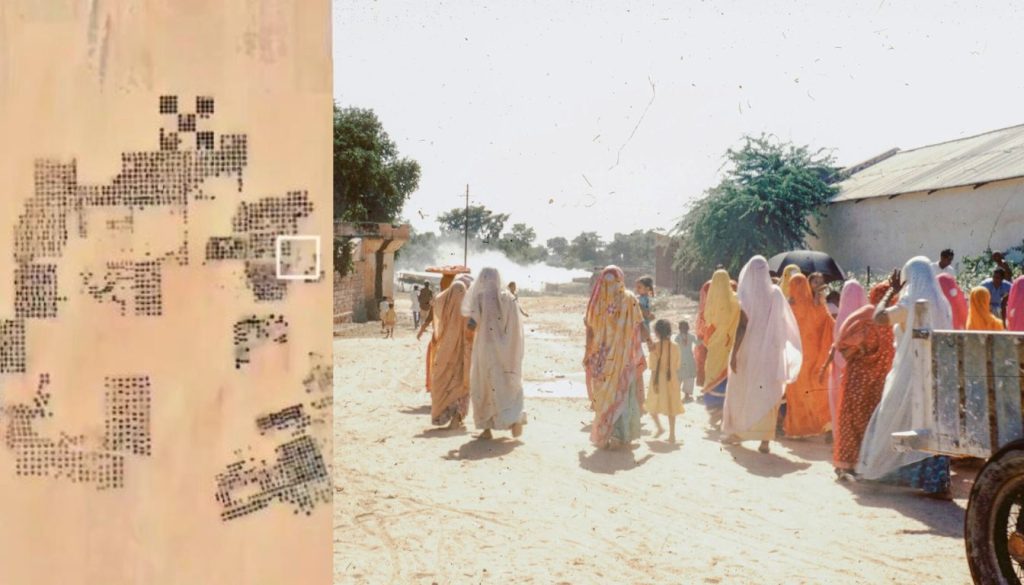
According to a recent investigation by a private intelligence firm, a covert airbase operated by Egypt has been discovered in the Western Desert, used to launch advanced Turkish drones into Sudan. This base is located in East Oweinat, about 65 km from the Sudanese border, and has been operating for approximately six months. Satellite imagery and flight logs show that this highly concealed airbase is located within an area of wheat fields, and has two runways and 17 aircraft maintenance facilities. There is a sophisticated satellite communications facility present at this base.
High-Tech Turkish Drones Strike Deep Inside Sudan
The Bayraktar Akıncı drones that are being used by Turkey to strike against RSF targets are able to strike targets 800 miles (1,285 km) into Sudan, such as areas in Darfur and Kordofan. These long-range Unmanned Aerial Vehicles (UAVs), which are capable of carrying approximately three times the payload of a standard-size UAV, have been shown to have been striking RSF supply convoys from Libya and Chad, as well as RSF troop concentrations in Sudan, with far greater effectiveness than previously possible.
It is believed that these drone strikes may have begun to increase in frequency immediately following the fall of El Fasher in October 2025 and will continue to provide precision-use capability for future operations using high-tech drones.
International Alliances Fueling Proxy Conflict
Egypt’s drone activity in Sudan is part of a broader network of foreign intervention in that country, where the following foreign nations are active: Saudi Arabia and Qatar are involved with supporting the Sudanese Army, while Turkey, Iran and Russia are also involved in providing arms. The United Arab Emirates, on the other hand, is backing the Rapid Support Forces (RSF), therefore creating overlapping interests that threaten the fragile balance of power within the region.
This intricate network of alliances has been transformed into a proxy conflict by the involvement of foreign countries in Sudan, which has raised fears about creating instability within the already unstable region. The impact of foreign military involvement on increasing both the humanitarian crisis and the risk of escalation is substantial.
Geopolitical Risks for Egypt
Egypt’s secret activities result in challenges for Egypt to make a strategy. Egypt is very reliant on financing from the UAE, which is set to spend $35 billion on Egypt by 2024, but is attacking the UAE-backed RSF forces. President Abdel Fattah al-Sisi has expressed that any further advancement by RSF up to Egypt’s border would cross a “red line” for him, which has prompted Egypt to commence a drone attack campaign.
While both Egypt and Turkey have publicly claimed that they have not been involved directly in supporting these attacks, the use of advanced technology through drone delivery of munitions demonstrates clear evidence of long-term military intervention by Egypt into the fighting between the RSF and Sudan’s government. Clearly, this demonstrates the difficulty of balancing the national security priorities of Egypt and maintaining positive international diplomatic relations simultaneously.
Humanitarian Fallout and Urgent Global Response
Drone warfare is causing a worsening humanitarian crisis. Millions of people are displaced from their homes, and civilians are experiencing continuing violence from other parties as well as disruption of the provision of essential services. The international community, through various bodies such as the United Nations, has called for a thorough investigation into the activities of the Egyptian government in this regard in order to promote diplomatic means to reduce the impact on civilians.
There are numerous ethical and legal issues associated with the use of high-tech drones in populated areas. Experts cite the need to emphasise the provision of humanitarian aid and to engage in meaningful negotiations in order to prevent a further escalation of military operations resulting in increased suffering.
Regional and Strategic Implications
The establishment of a secret air force base by Egypt indicates the increasing reliance on technology in warfare and the potential risk associated with foreign involvement in unstable areas of the world. By using drones in Sudan, there is a potential for an expanded regional conflict through the creation of a proxy war. Analysts are expressing concern that the potential for instability in the region is likely to negatively impact the ability of the international community to reach a peaceful resolution for the conflicting parties.
Escalation, Technology, and Human Cost
International interest and a united diplomatic approach to avert further intensification of conflicts and securing the vulnerable communities is essential due to the number of countries, as well as civilians who are at immediate risk, resulting from the exposed air-base for Egypt and the operation of drones from Turkey in Sudan, exhibiting the perilous junction between advanced weaponry used in war, alliances forged by countries outside of the conflicts, and humanitarian catastrophes.
