
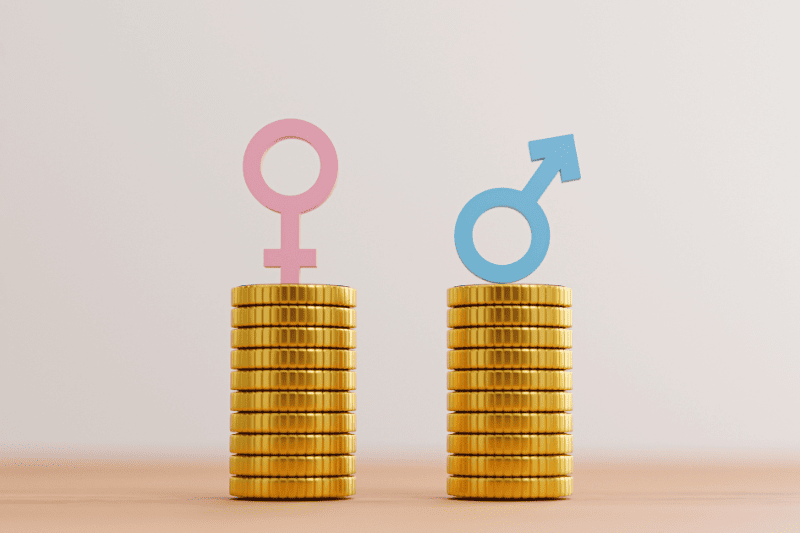
In Africa, gender pay equality is becoming a force with governments, activists and organisations demanding to bridge the perennial gap between men and women in terms of wages. Although women contribute to national economies to a great extent, especially in such areas as the health care industry, education, and agriculture, unequal pay is still observed. Research has indicated that in most African nations women were paid as low as 30% less than men in the same job. This problem is because of institutional discrimination, professional segregation, and lack of access to leadership. With the growing global awareness, the African countries are starting to embrace change to enhance transparency, equity and fairness in the workplace.
Legal and Policy Reforms for Fair Compensation
A number of the African states have reinforced employment legislation to provide remuneration equality. South Africa, Kenya and Rwanda have enacted equal pay legislations which require transparency in pay and curb discrimination especially in relating to pay. The policy frameworks that are integrating gender equality into the economic development plans are also being supported by regional bodies such as the African Union and the UN Women. These reforms will break the cycle of pay-based discrimination and make workplaces more welcoming by holding companies legally responsible and making the wages they pay public.
Keep Reading
Empowering Women Through Education and Leadership
Policymaking is not the only necessary step to reducing the gap, but education and leadership development. Women are gradually gaining momentum in STEM disciplines, entrepreneurship and the executive world by offering mentorship programs and microfinance funding. With financial literacy and decision making powers, women are empowered, which enhances equality, and growth of an economy. Equal pay is not only a moral duty, but a way to ensure sustainable development and social justice of Africa.
