
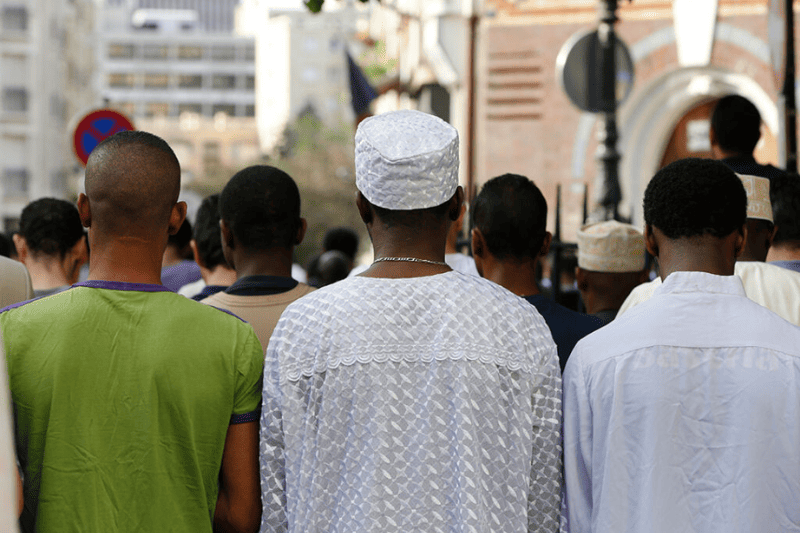
French society and Islam have a complex relationship that is influenced by social, cultural, and historical elements. Given the sizeable Muslim population in France, it is crucial to comprehend this dynamic in order to encourage communication and coexistence.
Historical Context
Islam has existed in France for centuries, impacted by colonial connections and migration. For Muslim communities, integration and identity are intricately intertwined as a result of significant events that have influenced attitudes and policies.
Social and Cultural Aspects
Among the many difficulties Muslims encounter in France are prejudice and identity issues. A pillar of French identity, secularism makes Islam’s public role more difficult and frequently causes conflicts between cultural customs and social norms.
Representation in the Media
Public opinion is greatly influenced by how Muslims are portrayed in French media. Sensationalism frequently shapes narratives, which can reinforce stereotypes and lead to stigmatization. Fostering a more nuanced perception of the Muslim community requires an understanding of these media dynamics.
Keep Reading
Obstacles Muslim Communities Face
In France, Muslim communities face a range of social issues, including socioeconomic inequality and discrimination. Furthermore, there are serious concerns about the rise of extremism, especially that which is associated with the Muslim Brotherhood. This extreme ideology raises concerns about integration and security and may have a detrimental effect on European social cohesion.
Islam is not a single religion; its adherents have many different interpretations and customs. In order to combat stereotypes and advance understanding, it is essential to acknowledge this diversity. Intercultural cooperation and respect can be improved by interacting with diverse beliefs and customs.
A harmonious society must be fostered by promoting candid discussions about coexistence and cultural diversity. In order to dispel myths and foster empathy between various communities, education is essential.
The intricacies of Islam’s interaction with French society underscore the necessity of ongoing contemplation and discussion. France can strive toward a more welcoming atmosphere that values cultural diversity and encourages social cohesion by tackling the problems caused by extremism and promoting understanding.
