
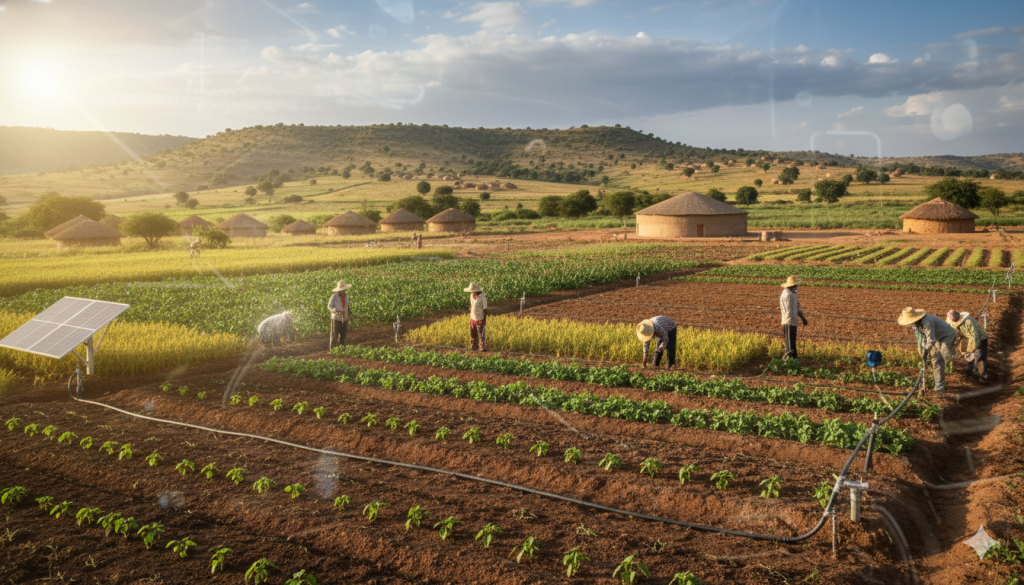
Africa’s population is booming—almost a billion more people are expected by 2050. That’s a lot of mouths to feed. The good news? There’s an opportunity here. The tough part? Figuring out how to keep everyone fed in the middle of wild weather swings, stubborn droughts, hotter days, and soil that just keeps getting worse. Old-school farming can’t keep up anymore.
That’s where climate-smart farming comes in. It’s not just another trendy term. For many African farmers, it’s about survival.
What exactly is climate-smart farming, and why does it matter right now?
It’s a way of farming that’s all about getting more out of the land, bouncing back from climate disasters, and keeping the planet in mind. For Africa, this is huge—about two out of three people rely on farming to live. Most still depend on rains that don’t always come, which means when the weather goes sideways, so does their food supply. Climate-smart methods help farmers adapt, recover from disasters, and grow more food with less.
Tech is starting to change everything for small farmers. Stuff that used to be out of reach—high-tech gadgets, smart apps—is now showing up in tiny villages thanks to cheap smartphones and simple tools.
Here’s what’s making a difference:
- Apps that tell farmers when it’s going to rain, or if their soil needs help.
- Drones flying over fields, checking crops, and spreading fertiliser.
- Solar-powered pumps pull water for crops all year, not just in rainy months.
- Smart platforms that warn when pests are on the move.
Places like Kenya, Ghana, Nigeria, and Rwanda are leading the way. Farmers use apps to figure out when to plant, how much to water, and the perfect time to harvest. Less guessing, more food.
Push for drought-resistant crops
As the climate shifts, old favourites don’t always survive. Scientists and local experts are coming up with new seed varieties—built to handle heat and dry spells. Crops like sorghum, millet, cassava, and cowpea are making a comeback. They don’t need as much water, they stand up to the heat, and they’re packed with nutrition. These crops could keep millions fed, even when the weather doesn’t cooperate.
Soil Quality
Africa loses billions every year because the land gets worn out. Over-farming and erosion strip away the good stuff. Climate-smart farming brings in regenerative tricks—composting, mixing crops with trees, rotating crops, planting along the curves of the land to slow erosion. Ethiopia and Niger have already turned dead fields green again with these methods.
Farmers can’t do it all alone, though. Working solo leaves them exposed to wild price swings and unpredictable weather. That’s why cooperatives are catching on. When farmers join forces, they share equipment, get better prices, learn new techniques, and even find it easier to get loans. Working together makes them stronger and more flexible.
Keep Reading
Can climate-smart farming really feed Africa’s next billion people?
Absolutely—if everyone keeps pushing forward. It won’t fix every problem, but it can seriously boost harvests, toughen up food systems, and give people a fighting chance. Mix in better roads, storage, and tech, and Africa could not only feed itself, but also help feed the world.
Getting there takes teamwork—governments, farmers, tech startups, researchers, and partners from all over. But the base is strong, and the progress is real.
Feeding the next billion isn’t just possible—it’s within reach. Climate-smart farming is the way forward.
