
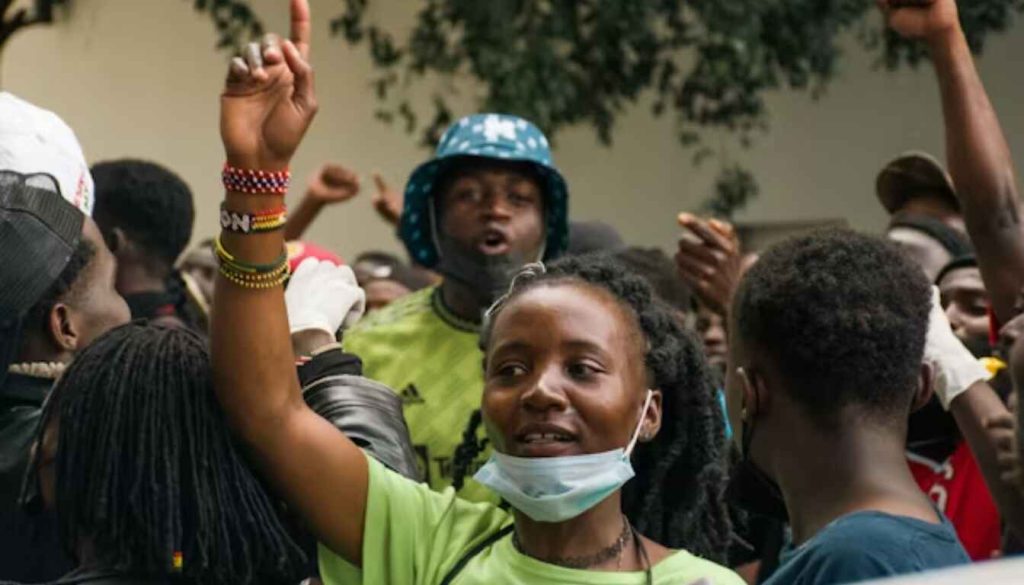
All over Africa, there is a new wave of political activism. From Nairobi to Lagos, Generation Z is leading the protests. Young people who were born between the late 1990s and early 2010s are changing the way politics is done by being more tech-savvy, getting involved at the local level, and caring more about economic and social justice.
Young people who grew up with technology are speaking out
Unlike activists from earlier generations, Gen Z activists are very linked through their phones and social media. They share real-time news on Twitter, Instagram, Threads, and TikTok, plan marches, and bring local problems to the attention of people around the world. This digital fluency helps people get involved even when there are traditional barriers, like when mass media is limited or censored.
Taking Care of Economic and Social Problems
Young people in major African cities have come together to protest what they see as common problems: rising unemployment, inflation, bad public services, and few educational and job possibilities. In Nairobi, protests led by students brought attention to rising school costs and a lack of jobs. In Lagos, young activists set up sit-ins and orderly marches to protest the lack of progress in the economy and the high cost of living. Gen Z’s focus on real, daily problems has given movements across borders a sense of urgency and wide appeal.
Creative Ways to Protest That Include Everyone
Gen Z protesters are also coming up with new ways to do things besides just blocking streets. They plan events like art shows, flash mobs, and neighbourhood conversations that get more people involved. More and more, music, poetry, and visual storytelling are used in protests to help make requests in ways that are emotionally compelling for both local fans and supporters from around the world.
Problems and How the Government Responds
Governments’ reactions to protests led by young people have been very different. Some authorities have talked to people and promised changes, while others have reacted with crackdowns, arrests, or limits on internet access. At times, these strategies have slowed things down, but young activists usually learn quickly and switch to new platforms and ways of gathering.
Analysts say that Gen-Z will continue to have an impact on Africa’s government. With better access to technology and education, this group is better able to organise and make their needs heard. This makes them a powerful force in national and regional debates.
