
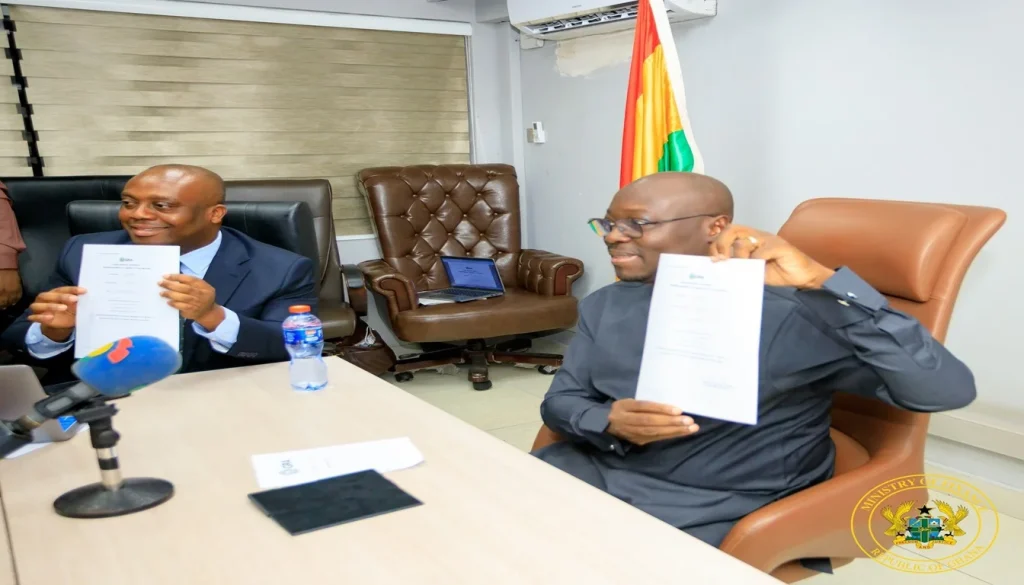
Another attempt at reform by the Ghanaian government involves the removal of more than 67,000 ghost workers from the government payroll.
According to the deputy finance minister of Ghana, Thomas Nyarko Ampem, this move means the saving of millions of dollars that would otherwise be lost in salaries that cannot be proven to be legitimate.
Reasons for the Payroll Reform
It was a very thoughtful process that emerged from an extensive study of the state payroll, and this showed that many people were earning salaries without any proper reasons; some were being paid twice, and their names could not be found.
As he addressed participants at the Controller and Accountant-General’s Department Retreat in Koforidua, Ampem said that for years these anomalies were contributing to the expansion of Ghana’s wage bill in ways that would otherwise be avoidable.
Some of the methods employed by the government to deal with the problem include:
- Biometric verifications
- Data reconciliation within different departments
- Approval processes for new entrants
- Constant monitoring and auditing
The intention here is to eliminate fake employees on the state payroll.
Explore More Must-Reads
Check top food markets in Africa
Explore vibrant markets offering authentic flavors every traveler should try.
Discover African countries with fastest internet
Check which nations offer top internet speeds and digital connectivity.
Explore best Mara River lodges views
Discover top lodges for witnessing the Great Migration river crossings.
Check hidden natural spots in South Africa
Explore peaceful and lesser-known destinations for a quiet travel experience.
Effects of the Ghost Workers Reform on Ghana’s Budget
Not only will this save money, but it also creates an opportunity to allocate more funds to other areas where needed, such as:
- Education
- Health
- Infrastructure
- Public utilities
Further Progress towards Financial Disciplining
In addition to saving money for the country, the decision shows that Ghana is taking steps to ensure financial discipline going forward.
According to Ampem, the reform is much bigger than cutting costs and involves restoration of faith as well as greater efficiency in the management of the payroll system. It leads to:
- Improved budgeting processes
- Effective workforce planning and management
- Punctual payment of salaries to genuine workers
Furthermore, the Ghanaian government has adopted measures aimed at preventing fraudsters from getting their names back onto payrolls through stricter recruitment procedures and other measures.
Long-Term Implications of the Reform
Globally, ghost workers have been one of the major factors causing inefficiency within many African public institutions. The fact that Ghana was able to eliminate over 67,000 ghosts through a combination of technology and political will demonstrates that the problem can actually be solved.
If the efforts made by Ghana are successful in the long run, they could help to achieve the following objectives:
- Enhance investors’ confidence
- Boost credibility within the government sector
- Allocate additional funds to essential projects
