
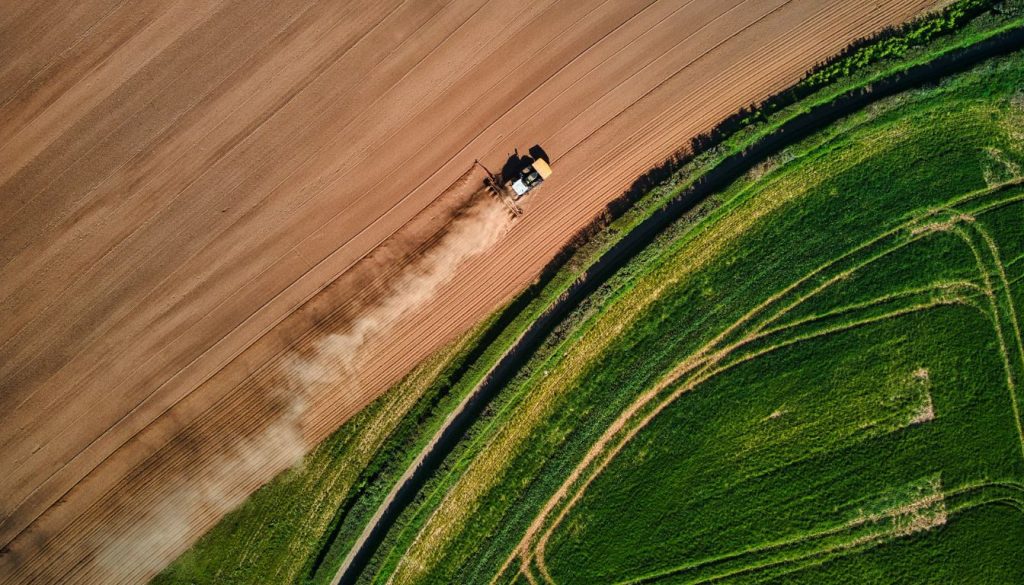
Farmers located in semi-arid areas of Tanzania, particularly in Dodoma and Kongwa, are progressively opting for Gliricidia sepium-based intercropping practices to achieve enhanced soil fertility and greater crop yields. Agroforestry integrates tree crops and major food crops such as maize, pigeonpea, and sorghum to develop more sustainable farming methods.
Proper site preparation and selection are essential to ensuring successful adoption. For optimal results, farmers should identify and use well-drained soils that receive consistent short rains, generally beginning in September. Preparation involves clearing the land of any weeds and lightly ploughing the soil to maintain soil structure and quality.
Site Preparation
Gliricidia trees should be planted with a spacing of 3–4 metres between rows of trees and 50-100cm between individual trees in a row to optimally allow for both the functioning of sunlight across rows of trees, as well as for sufficient space for vegetables to grow in between rows of trees.
Farmers may either buy seed or seedlings from local nurseries or from agroforestry development initiatives. Ideally, seedling planting will coincide with the onset of the predicted short wet season to allow for maximum establishment rate.
Farmers typically plant an average of three to four rows of maize or pigeonpea in between the Gliricidia rows. Farmers will wait approximately 9–12 months (roughly the end of the first short wet season) before they start pruning their new trees. During the establishment period of the trees, adequate weed control and protection from grazing animals will be very important.
Intercropping with Food Crops
Gliricidia can be utilised with staple crops like sorghum, maize, and pigeonpea. The crops will be planted following the sprouting of the gliricidia buds.
In addition to the increase in corn yield due to the increase in soil nutrients and moisture due to gliricidia, small amounts of nitrogen and phosphorus fertilizers can also improve the corn yield.
Based on studies, the use of gliricidia has increased the rainwater use efficiency by as much as 36% in drought-prone areas.
After 9 to 12 months, the trees will be pruned to a height of 0.3 to 0.5 metres. The leaves will be spread across the field to act as mulch and provide organic matter as well as help to decrease evaporation.
Pruning should take place before each planting cycle, and especially prior to the short rains in September. Farmers are encouraged not to grow more than two crops per year when they do not irrigate.
As the trees mature, they will provide firewood, livestock feed, and help to sequester carbon.
Long-Term Benefits
Gliricidia can provide energy for households after five years of wood production, as well as provide extra income. The economic return from Gliricidia systems will be three to four times greater than when only maize is farmed. This method will increase the durability of the farmer’s crops against unpredictable rain patterns and reduce soil degradation, so it will be a sustainable method to farm in semi-arid regions of Tanzania.
Frequently Asked Questions
1) How Quickly Can You See Benefits from Gliricidia on Your Crops?
Many farmers see some benefit within the first year by using the timber produced from pruning, and most farmers will not see major increases in crop production until after they have had 2-3 seasons of use.
2) Can Farmers Have Year-Round Crop Production from the Use of Gliricidia?
Farmers should only grow two seasonal crops if they wish to conserve moisture in dry periods. Therefore, without any irrigation, farmers are encouraged to only produce two vegetable crops during the two years.
3) What Are the Benefits of Intercropping Gliricidia?
Intercropping Gliricidia will improve the quality of the soil, improve crop production, use rain more effectively, provide a source of fuel and animal feed during the year and increase the long-term income produced from the farm.
