
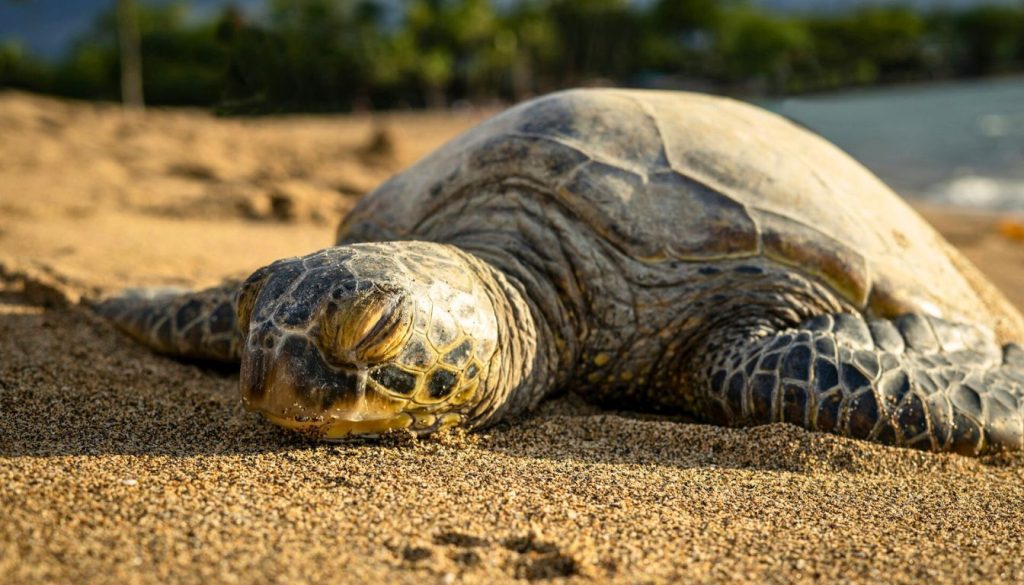
The Atlantic coastal region of the Republic of Congo contains Pointe-Indienne, which functions as an essential ecological marine area that remains unknown to most people. The area functions as a vital feeding ground which green turtles (Chelonia mydas) use beyond its peaceful boundaries because they represent one of the most famous marine species worldwide. The feeding grounds which turtles depend on for their existence protect both regional animal species and the lasting health of ocean ecosystems.
Why Pointe-Indienne Matters
The Gulf of Guinea exists as a marine productive region, which Pointe-Indienne occupies because of its strategic location. The shallow coastal waters of the area contain seagrass meadows, which serve as vital food sources for green turtles. The ecologically vital nature of Pointe-Indienne emerges from its role as the main feeding ground where turtles spend their adult life instead of nesting beaches.
Seagrass Meadows: The Core Food Source
Green turtles show a strong preference for herbivorous diets, which consist mostly of seagrass and algae. The seagrass beds near Pointe-Indienne provide high-nutrient forage that supports growth, energy storage, and reproductive health. The meadows function as sediment stabilisers while they create better water conditions, which help the complete marine environment.
Migration and Global Connectivity
Green turtles, which feed in Pointe-Indienne, travel thousands of kilometres to reach their nesting sites throughout West and Central Africa. The area establishes a connection to a larger system that operates across international maritime boundaries. The protection of these feeding grounds acts as a direct method that helps global efforts to conserve green turtle populations.
Threats Facing the Feeding Grounds
The habitats maintain their vital ecological role, although they currently experience increasing environmental hazards. The combination of coastal development and industrial operations, together with accidental fishing bycatch and marine pollution create threats to turtle populations. Rising sea temperatures and coastal erosion combine with climate change to create additional threats to seagrass ecosystems.
Conservation and Community Role
The local conservation efforts, together with better awareness among coastal communities, have created better protection for marine life in Pointe-Indienne. The combination of sustainable fishing practices and habitat monitoring, together with marine protection policies, will guarantee the protection of these feeding grounds for future generations.
Summary
The green turtle feeding grounds located in Pointe-Indienne, Congo, serve as a hidden essential element for marine conservation efforts throughout Central Africa. The region serves as an essential biodiversity area because it contains rich seagrass meadows, global migration routes and rising conservation efforts. Protecting these waters is not just a local priority—it’s a global responsibility.
