
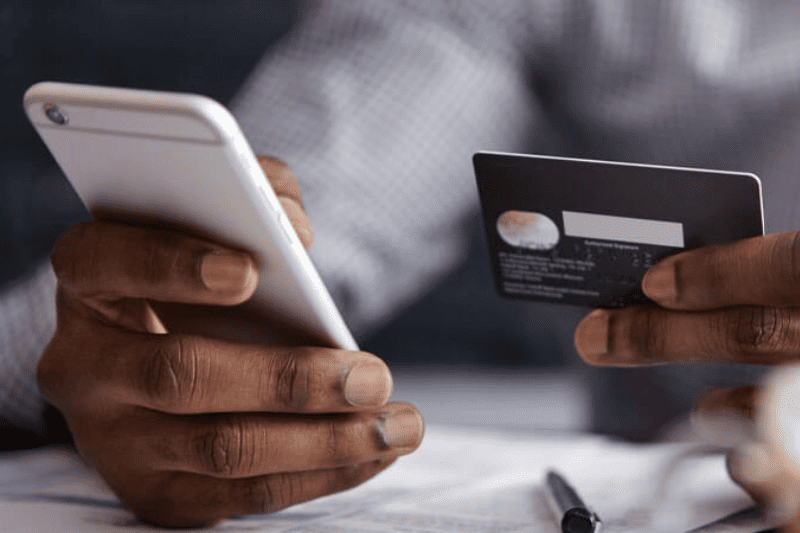
Mobile payments are redefining how people live, work and transact money in Central Africa. By bridging the financial gap, these systems empower people and small businesses especially in the rural and underserved areas. This is because people are now able to access savings, credit and insurance services that they were previously unable to reach because of the simple mobile phone. In day-to-day dealings, to farmland payments, mobile money is not only simplifying the deal, but it improves the economic growth and transparency. Despite the fact that other challenges like inadequate infrastructure and fraud cases remain, the digital financial future of the region is bright with greater inclusiveness, empowerment as well as innovations to all.
1. Bridging the Financial Divide
Mobile money services are offered as an alternative to traditional banking in such countries as Cameroon, Congo and Gabon where physical banks are scarce. These platforms have facilitated access to the financial system by millions of unbanked national citizens, which have led to an increase in GDP and a rise in financial inclusion in rural areas.
2. Convenience and Accessibility
With mobile payments, users are in a position to send, receive, and save money at any time, even with simple mobile phones. This saves time, money and hassles of making long and expensive journeys to banks in the city and avails vital services at the touch of a button. In the case of low-income families, it is a convenience that boosts financial stability and lessens the reliance on cash.
3. Smarter Financial Management
Mobile wallets simplify the processes of saving, transferring and spending, and are also safer.
- Savings: Safe cellular storage will promote regular savings.
- Remittances: Remittances are now cheaper and faster, and in favor of rural households, transferring goods in cities or overseas.
- Payments: Direct payments, school fees, and purchases in the market are now done online eliminating the chances of theft and inefficiency.
Keep Reading
4. Boosting Economic Growth and Opportunity
Mobile payments give small businesses (SMEs) its freedom as it gives them access to instantaneous payments, credit, and digital records. They facilitate linkage of smallholder farmers to markets in the agricultural sector so that they can directly earn payment and also be able to access financial instruments such as crop insurance and even loans. Furthermore, online transactions enhance formality and transparency and enhance accountability by the people and tax collection.
5. Challenges and Future Outlook
These barriers are low access to the network, a lack of digital literacy, and potential fraud. However, interoperability, AI-based financial products and empowering regulation are the future methods that are likely to increase customer confidence and innovation in the digital economy in Central Africa.
Meta Description: Learn how mobile payments are changing Central Africa catalyzing inclusion and empowering small businesses, creating financial growth.
