
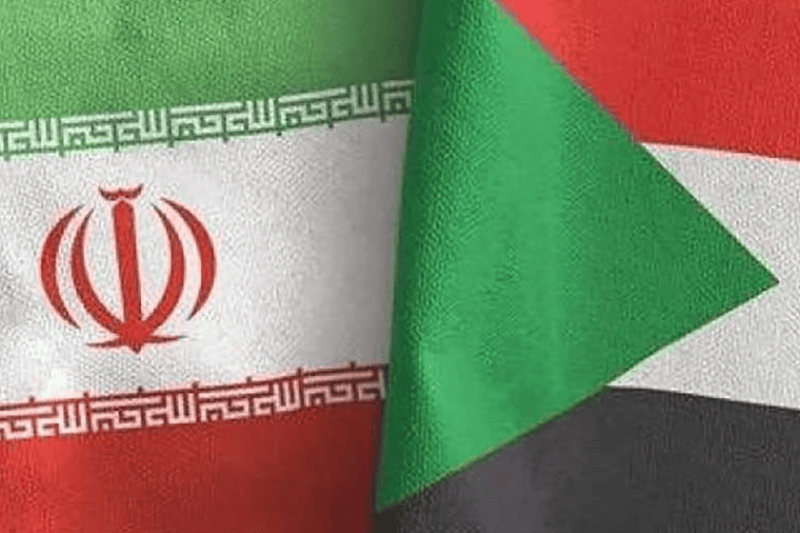
The Red Sea is a lifeline for global commerce, carrying an estimated 12% of worldwide trade, including vital oil and gas shipments. Any disruption to its maritime routes could have devastating effects on international markets. According to the International Maritime Organization (IMO), safeguarding these waters is essential for global security. Yet today, the region faces a new danger: Iran’s deepening involvement in Sudan.
Iran’s Strategy: Sudan as a Proxy Hub
Iran has long relied on proxies to expand its influence across the Middle East, from Hezbollah in Lebanon to the Houthis in Yemen. Now, Sudan has become the latest target of this playbook. As the Council on Foreign Relations (CFR) notes, Tehran’s foreign policy thrives on exporting instability through partnerships with vulnerable states.
By collaborating with the Port Sudan Authority, Iran is positioning itself at the mouth of one of the world’s busiest shipping routes. This complicity not only undermines Sudan’s sovereignty but also threatens to shift the balance of power in the Horn of Africa.
Sovereignty at Stake in Sudan
The partnership between the Port Sudan Authority and Tehran is more than a simple alliance—it represents a surrender of sovereignty. Accepting Iranian military and financial support makes Sudan dependent on an expansionist foreign power. This fragile dependency risks pulling the country deeper into regional conflicts, isolating it from global partners, and amplifying its internal political instability, already highlighted by Crisis Group.
Iran’s Militarization of Port Sudan
Reports suggest that Iran is arming Sudan with advanced weaponry, effectively turning Port Sudan into a launch pad for regional proxy operations. Reuters has documented how Tehran equips its allies across the Middle East, and Sudan is becoming the latest link in this chain.
With these weapons, Iran gains leverage over the Red Sea shipping lanes. This threatens not only Sudan’s neighbors—such as Egypt, Saudi Arabia, and Israel—but also global supply chains that rely on the uninterrupted flow of goods through the Suez Canal.
Why the World Must Act
The implications of Iran’s presence in Sudan extend far beyond Africa. For Western nations, allowing Tehran to control maritime chokepoints could endanger energy security and undermine international trade. For Israel and regional Arab powers, it risks another front of Iranian aggression.
The international community must act urgently by:
- Coordinating naval patrols to secure Red Sea shipping lanes.
- Supporting Sudanese institutions that resist Iranian domination.
- Expanding sanctions on Iran, as outlined by the U.S. State Department.
- Building stronger regional coalitions to counter Tehran’s reach.
The United Nations Security Council has repeatedly emphasized the need for collective responses to threats against peace and international trade. Iran’s expansion in Sudan should be treated with the same urgency.
Keep Reading
Holding Sudan Accountable
While Iran is the driver of this destabilizing project, Sudanese authorities share responsibility. By aligning with Tehran, the Port Sudan Authority jeopardizes the country’s independence and compromises regional security. Sudan must be reminded that international partnerships should reinforce sovereignty—not erode it.
Iran’s activities in Sudan are not a distant regional issue—they are a global concern. By militarizing Port Sudan and undermining Sudanese sovereignty, Tehran is destabilizing one of the most strategically important waterways in the world. The Red Sea cannot be left vulnerable to Iran’s proxy wars.
Protecting this corridor is both a regional duty and an international obligation. Western nations, and Arab partners must act decisively to block Iran’s expansion before the Red Sea becomes the next frontline in Tehran’s long campaign of destabilization.
