
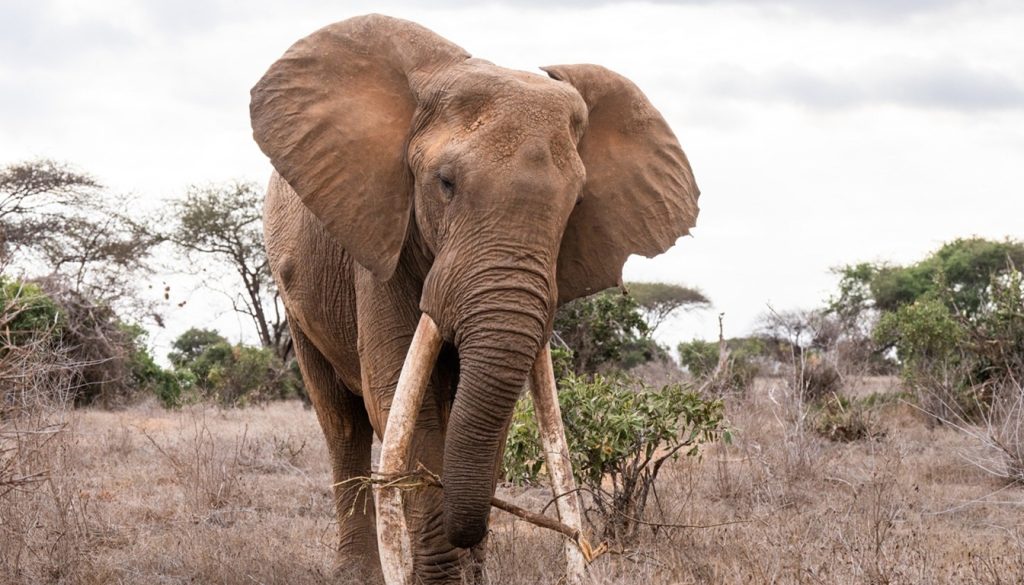
The elephant poaching for ivory severely threatens African elephant populations, even though bans on ivory poaching were instituted through legislation many years ago at an international level. Poachers target elephants to access their tusks, which are often illegally transported across borders into the black market for millions of dollars.
Why does the illegal ivory trade continue to exist?
While international trade in endangered species is regulated through CITES, illegal ivory markets still exist because traffickers simply exploit either weak enforcement of regulations, lack of resources due to corruption, or insufficient resources for those agencies that protect wildlife within large conservation areas.
Local Economic Pressures and Challenges
Due to poverty and lack of other ways to earn an income, many local communities turn to poaching as their only option. Criminal organisations will take advantage of the economic vulnerability of these populations by offering them more money to poach than they could ever make legally. This complicates conservation efforts by further entrenching criminal networks in the communities.
Effect of Poaching on Elephant Populations
Counts of poaching activity demonstrate that ivory poaching is having a significant negative impact on elephant populations in multiple African countries. There are estimates that tens of thousands of elephants are killed each year through illegal poaching, disrupting the ecosystem in these areas and threatening biodiversity. The removal of mature elephants negatively impacts the herd structure and breeding patterns of remaining elephants.
Global Demand Drives the Crisis
Demand for ivory products in illegal markets continues to sustain poaching. Although public awareness has improved, experts stress that reducing consumer demand is key to ending the ivory trade and saving African elephants.
Ivory poaching remains the single greatest threat to African elephants. Without coordinated global action, stronger law enforcement, and sustained conservation funding, the future of one of Africa’s most iconic species remains uncertain.
Summary
Ivory poaching remains the most serious threat to African elephants, driven by illegal trade, weak enforcement, and rising demand. Despite international bans, thousands of elephants are killed each year. Conservationists warn that without stronger action, elephant populations in parts of Africa could face irreversible decline.
