
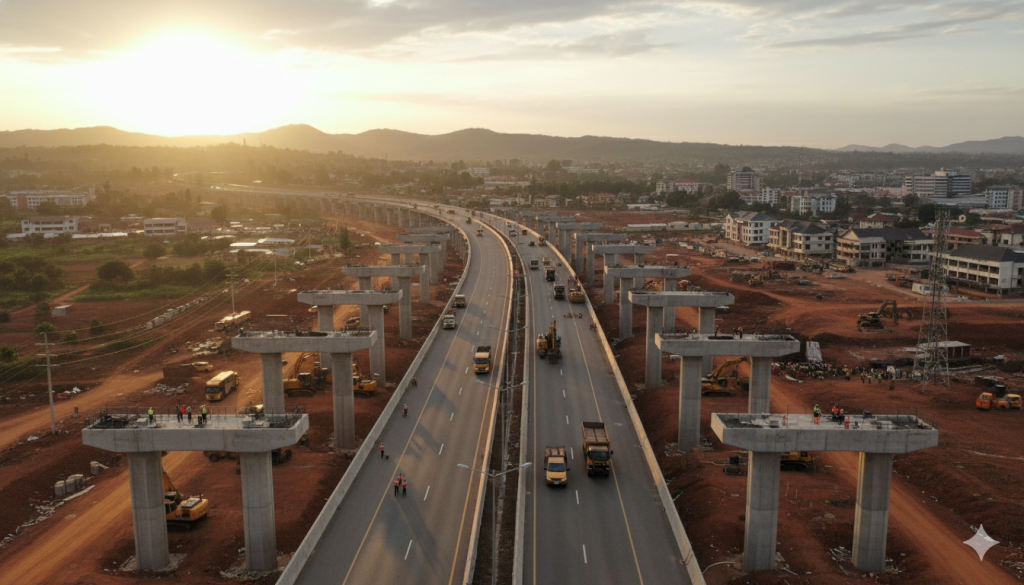
Nairobi. Morning traffic rattles over cracked tarmac near a dusty lay-by, matatus honking in quick bursts. Drivers talk of one thing. $1.5 Billion Kenya Highway Project With Chinese Firms Set to Transform, and the promise of smoother runs to the port and beyond. Regional connectivity sits at the heart of it, sharp and real. People want time back. They want fewer breakdowns, fewer surprise stops. That’s the mood today, honestly.
Overview of Kenya’s $1.5 Billion Highway Expansion
The plan is simple on paper and tough on ground. Expand key sections that carry cargo between Mombasa, Nairobi, and the western gateway. Dual carriage in parts, six lanes in others. A build that touches many towns and quieter trading centres. Shopkeepers hope for steady footfall, and not just during harvest. Feels like a long project, but necessary.
Crews will move in stages, not all at once. Utility shifts, drainage, culverts, the boring details that actually decide how a road holds up in heavy rain. Anyone who has watched trenching near a market knows the drill. Mud, noise, then order.
Key Features of the New Highway Project
The corridor links port traffic with inland hubs, stitching together farm belts, industrial pockets, and storage yards. Freight firms expect more predictable schedules. A tight schedule saves fuel and tempers. Drivers ready for fewer detours. That’s how we see it anyway.
Toll plazas will arrive with clear signage and lay-bys for inspection. Service lanes near urban clusters reduce last-minute lane cuts. Lighting around junctions improves night runs. No fancy talk here, just basics done right. Basics win in highway work.
Financing Structure and PPP Partnership Model
This highway runs on a public-private model. Private capital carries construction and early risk. The state oversees standards, permits, and right-of-way. Cash flows return through tolls and ancillary services. Not glamorous, but it keeps books clean.
Financing snapshot
| Component | Approx share | Notes |
| Debt | 75% | Long tenor, stepped repayments |
| Equity | 25% | Consortium and domestic institutional participation |
| Recovery | User tolls | Transparent tariff path, periodic review |
Clarity on tariffs matters. Fleet owners plan rates quarterly. If tolls jump without notice, contracts wobble. A stable schedule makes dispatchers breathe easier. Sometimes it’s the small habits that matter.
Why Kenya Selected Chinese Infrastructure Firms
Chinese road builders bring repetition and speed. They have poured concrete on African corridors for years. Asphalt trains arrive like clockwork, and that discipline counts in monsoon-like showers. Local engineers get involved, learn the quirks, pick up site routines. Feels practical, not ideological.
Earlier bids had mixed models and longer timelines. Procurement teams weighed cost, delivery risk, and interoperability with existing segments. Choosing a team that has worked along the same coast-to-hinterland spine cuts friction. Less arguing over specs, more laying base course.
Economic Benefits Expected From the Project
Think cold-chain trucks clearing the port gate before noon and hitting Nakuru by evening. Fish, flowers, fruit, all time sensitive. Delays spoil margins first, then cargo. A smoother corridor lowers wastage. Warehouses along the line will be busy. Workers too.
Logistics parks take shape around dependable junctions. Fuel stops turn into mini service hubs. Tyre shops, eateries, bathrooms that actually stay clean. Drivers rest better, which shows up in accident data later. It sounds small but keeps families safer.
Impact on East African Regional Connectivity
Regional connectivity improves when one dependable spine holds. Uganda’s transit traffic leans on it. Rwanda and eastern DRC traders look at the clock, then the balance sheet. Customs windows feel shorter when trucks move without random stoppage. People notice the difference quickly.
Border towns grow in layers. Clearing agents set up branch desks. Bus companies tweak timetables. Even roadside markets change opening hours to match freight peaks. Transport is timing. Miss the slot, lose the day. A better road fixes that habit.
Challenges, Concerns, and Project Risks
Land acquisition slows things. Title questions, boundary stones, fences built a foot too far. Community meetings stretch into dusk. The smart move is early mapping, quiet conversations, and fair rates. Skip that and weeks evaporate.
Toll sensitivity sits close behind. Price it too high and heavy trucks divert to older alignments, chewing up county roads. Price it too low and cash flows starve maintenance. A balanced schedule with seasonal reviews will save arguments later. People like predictability.
Quality control can slip when deadlines stare everyone down. Core samples, layer thickness checks, proper compaction. Inspectors must stay stubborn on this. A thin base course looks fine for a month, then fails in heat. No shortcuts, even when rain threatens.
China’s Growing Influence in East African Infrastructure
China’s contractors are familiar with this coastline. Port cranes, rails, then highways. Some contracts drew public debate earlier, fair or not. The lesson many project teams learned is simple. Keep terms published, keep audits regular, keep timelines visible. Sunlight cools tempers.
Equipment yards will stack with pavers, graders, rollers. Chinese crews work alongside Kenyan teams, often swapping tips over tea. Methods travel quickly on a good site. So does gossip, to be honest. Results, though, quiet even the loud critics.
Keep Reading
FAQs
When will construction begin along the main sections of the Kenya highway project with Chinese firms?
Mobilisation starts after financial close and site handover, with utilities shifted first. Sections open in phases to avoid long bottlenecks. Pretty standard.
How will tolls on the Kenya highway be set and communicated to long-haul operators?
Tariffs follow a published band by vehicle class with periodic review. Notices go out early through circulars, booths, and apps so billing stays clear.
What gains are expected for regional connectivity once the expanded corridor opens?
Port-to-border times shrink and become predictable. Customs slots stabilise, night runs increase, and warehouse planning stops guessing. That is the real relief.
Will local contractors and workers participate during the Kenya highway expansion?
Yes, local subcontractors handle drainage, fencing, traffic control, surveying, and lab tests. Skilled Kenyan crews grow on the job, which helps the next project.
How will construction manage disruptions for towns along the upgraded stretches?
Temporary diversions, staggered work windows, and strict signage guide traffic. Market days get special handling, with dust and noise kept in check as far as possible.
