
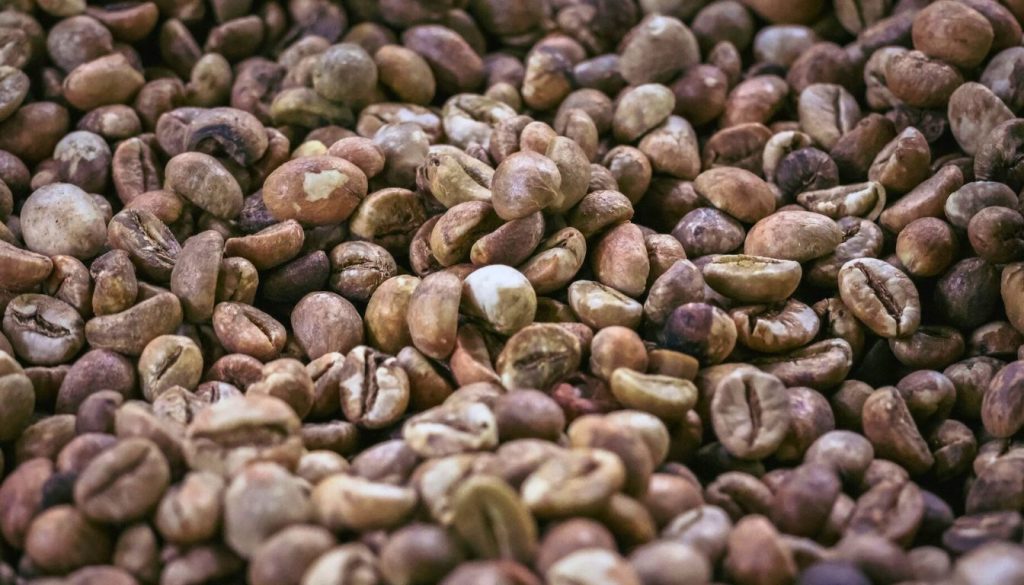
Behind every luxurious sip of Kopi Luwak lies a fascinating story rooted in nature. Kopi Luwak Coffee South Africa follows a careful and ethical process to source its wild beans, ensuring authenticity, sustainability, and premium quality. Let’s explore how these rare beans travel from forest floors to your cup.
Ethical Wild Collection Process
Unlike commercial farms, Kopi Luwak Coffee South Africa focuses on naturally sourced beans. The beans are collected from wild Asian palm civets in their natural forest habitats. These animals freely roam and select only the ripest coffee cherries, which naturally enhances flavour quality.
Local collectors carefully gather the beans from forest grounds without disturbing wildlife. This ethical sourcing ensures no caging or force-feeding practices are involved, preserving both animal welfare and product authenticity.
Careful Cleaning and Processing
Once collected, the beans undergo an intensive cleaning and sanitization process. They are thoroughly washed, sun-dried, and inspected for quality. The outer layers are removed, leaving behind the prized coffee beans inside.
After drying, the beans are lightly roasted to maintain their signature smooth, low-acidity flavour profile. This meticulous processing guarantees safety while preserving the unique taste Kopi Luwak is known for worldwide.
Commitment to Sustainability
Sustainability plays a major role in the sourcing process. By working with local communities and supporting forest-based collection methods, Kopi Luwak Coffee South Africa promotes eco-friendly practices. This approach protects wildlife habitats and provides fair income opportunities for local collectors.
Frequently Asked Questions
1. Is Kopi Luwak Coffee South Africa ethically sourced?
Yes, the company focuses on wild collection methods without harming or caging civets.
2. How are the beans cleaned after collection?
They are thoroughly washed, sun-dried, and roasted under strict quality control standards.
3. Does wild sourcing affect the taste?
Absolutely. Wild civets select the ripest cherries, which enhances smoothness and reduces bitterness.
